









• Latest
  • Trending

When Choir Members Leave

September 19, 2022
How a Long-Term Vision Can Transform Your Ensemble

How a Long-Term Vision Can Transform Your Ensemble

February 27, 2026
NAfME Neighborhood

NAfME Neighborhood

February 26, 2026
WindTalkers

WindTalkers

February 25, 2026
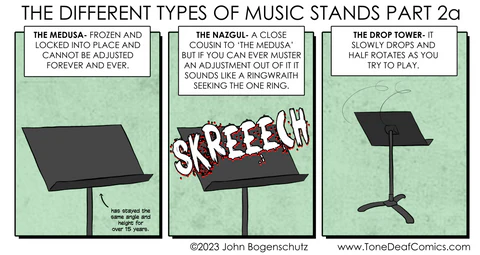
Tone Deaf Comics

Tone Deaf Comics

February 24, 2026
Choral Corner

Choral Corner

February 22, 2026
MAC Corner

MAC Corner

February 21, 2026
Principles for Building Stronger Classroom Systems

Principles for Building Stronger Classroom Systems

February 20, 2026
America’s Musicians

America’s Musicians

February 19, 2026
Inclusive Teaching Strategies for the K–12 Guitar Classroom

Inclusive Teaching Strategies for the K–12 Guitar Classroom

February 18, 2026
What Makes a Truly Great Student Travel Experience

What Makes a Truly Great Student Travel Experience

February 17, 2026
Transformative Travel: How the Right Music Tour Partner Elevates Student Learning

Transformative Travel: How the Right Music Tour Partner Elevates Student Learning

February 17, 2026
UpClose-4

UpClose-4

February 14, 2026
Friday, February 27, 2026
  • Contact
SBO+
  • Advertise
  • Subscribe Free!
    • Manage Subscription
  • Departments
    • Choral
    • String Section
      • String Section
    • Concert Band
    • Modern Band
      • Mariachi
    • Orchestra
    • Instruments
      • Woodwinds
        • Wind Talkers
      • Percussion
        • GoodVibes
      • Repertoire
      • Playing Tips
    • Marching Band
    • Resources
      • Fundraising
    • Jazz
    • Brass
    • General Music
    • Advocacy
      • NAfME Neighborhood
      • MAC Corner
      • MusicEd: Mentor Minute
    • Commentary
      • Bubbett’s Bookshelf
      • Leadership Tips
      • Perspective
      • InService
        • America’s Bandmasters
        • America’s Musicians
      • Tone Deaf Comics
    • Features
    • News
      • Headlines
  • Current Issue
    • Past Issues
  • Support
  • Awards/Entries
    • 50 Teachers Who Make a Difference
    • Teachers’ Choice Awards
No Result
View All Result
  • Advertise
  • Subscribe Free!
    • Manage Subscription
  • Departments
    • Choral
    • String Section
      • String Section
    • Concert Band
    • Modern Band
      • Mariachi
    • Orchestra
    • Instruments
      • Woodwinds
        • Wind Talkers
      • Percussion
        • GoodVibes
      • Repertoire
      • Playing Tips
    • Marching Band
    • Resources
      • Fundraising
    • Jazz
    • Brass
    • General Music
    • Advocacy
      • NAfME Neighborhood
      • MAC Corner
      • MusicEd: Mentor Minute
    • Commentary
      • Bubbett’s Bookshelf
      • Leadership Tips
      • Perspective
      • InService
        • America’s Bandmasters
        • America’s Musicians
      • Tone Deaf Comics
    • Features
    • News
      • Headlines
  • Current Issue
    • Past Issues
  • Support
  • Awards/Entries
    • 50 Teachers Who Make a Difference
    • Teachers’ Choice Awards
No Result
View All Result
SBO+
No Result
View All Result

When Choir Members Leave

bySBO Staff
September 19, 2022
in Archives, Choral, March 2019
0

The Chedeville RC Series Saxophone Mouthpieces feature a round chamber which creates a warm beautiful saxophone tone with excellent control and intonation.

Share on Facebook
ADVERTISEMENT

This common occurrence has baffled choir directors worldwide for (dare I say) centuries. And how about when an accompanist leaves? Whatever is a choral director to do?

Ask why…and really be open to hearing the answers, from the members and from yourself.

In my world, I’ve known singers to be really vocal and in touch with their feelings, so you might encounter many who speak honestly and plainly about why they’re leaving. Will you ever know for sure if they’re telling you the truth? Perhaps not, but you can certainly take it at face value. With school-age folks, they are sometimes booked to within inches of their lives with taekwondo, dance practice, science club – and something has to give somewhere. With adults, it can be scheduling issues, financial concerns (as some choirs ask for a membership fee, costume fees, etc.), or they just don’t feel like doing it anymore. The sky’s the limit on the possible reasons. Here’s what I like to do when a voice student decides not to study any longer: they give their reason and I always ask, “Was there anything I could have improved upon with regard to the way we’ve been working?” You’d be surprised at what you can learn about yourself. One student felt I could be a little too hard on them; I’m a New Yorker and my student was from the South, so we had different styles of, erm, communication. From that experience I learned to simmer down a bit when needed.  And, some choristers may not want to elaborate for fear of hurting your feelings, or don’t want any sort of confrontation, or won’t feel the need to articulate a reason. These scenarios are also perfectly fine. I still contend that music directors need to ask ourselves some hard, soul-searching questions: Did we succeed in picking fun, challenging, and interesting musical selections?  Are our rehearsals well organized and running smoothly, like a Tesla? Do we keep in good humor even if we’re in a not-so-fabulous mood? In short, have we done our very best 1? If your answer is yes, then you can rest. Okay, I’m a poet and I know it!

ADVERTISEMENT

Don’t take it personally, even if it seems like it’s your fault. It isn’t.

This is easier said than done, trust me. And it harkens back to your feelings about yourself and wondering if you’ve done your very best. Maybe you rested on the laurels of last season’s success and didn’t change around the program enough. Maybe the newer recruits have a different energy and the longer-standing members aren’t as thrilled about that. Maybe you got a new accompanist and they’re still working their way in to the group. You did make certain decisions, that’s true. Still, I believe with all my heart that nothing other people do is directly because of you; it’s because of themselves and how they decide they want their world to be. That’s why it will never do you well to show displeasure or anger toward a member who’s telling you they’re going. Their departure has to do only with them. Plus, they may choose to come back someday, or recommend friends and neighbors – so why would you ever burn a bridge, right? (*A word about any member that acts out or is physically, verbally or sexually abusive toward others: it is absolutely your right–and duty–to make sure they leave and don’t come back, sooner rather than later, though you’re welcome to give them a second chance/have a talk with a parent, etc., if the offense wasn’t egregious. Personally, I have zero tolerance for any of that nonsense in my world.)

Negotiate change with quiet grace and dignity.

Change, like death and taxes, is an inevitable part of life, yet some of us don’t always handle it like a champ. Firstly, we forget that how we handle change is more than half the battle. If we run a smaller choir and we lose an integral member (or, say, an accompanist), it’s not unheard of for a freak-out/pity party to be the next motion on the agenda. Believe me, I’ve had my fair share of both, and astonishingly, am in favor of having both. But here’s the deal: make sure you make an end to them after a little while. They’re called pity parties, not pity eternities; everyone eventually goes home from a party, right? So have your moment, eat your Ben and Jerry’s Cherry Garcia (I told you I’ve done this), pick up your baton and get back behind the podium. Put your thinking cap on and start the reach-out/recruitment for another great soprano or pianist; directors of local music schools can be extremely kind and helpful, as can community colleges, churches, etc. Remember, change can also be for the better, so why not choose to hold onto that idea? I’ll bet it feels much better than thinking change is awful. And feeling as good as possible makes for happy choir directors and choristers alike.

ADVERTISEMENT

PS: Check out this super-fantastic book I recommend to all my clients and students,

ADVERTISEMENT

“The Four Agreements: A Practical Guide to Personal Freedom,” by Don Miguel Ruiz

You may also like:

2012 ’50 Directors Who Make a Difference’ Report The 22nd Annual 50 Directors Who Make a Difference 2013 ’50 Directors Who Make a Difference’ Report SBO Presents The 19th Annual 50 Directors Who Make A Difference SBO Presents the 20th Annual 50 Directors Who Make a Difference
ADVERTISEMENT
Previous Post

The Benefits of Being A Little Nerdy

Next Post

Marin Alsop Presents ‘All Together: A Global Ode to Joy’

Next Post
Marin Alsop Presents ‘All Together: A Global Ode to Joy’

Marin Alsop Presents ‘All Together: A Global Ode to Joy’

Please login to join discussion
ADVERTISEMENT
  • February 2026

    Articles | Digital Issue
  • January 2026

    Articles | Digital Issue
  • December 2025

    Articles | Digital Issue
  • November 2025

    Articles | Digital Issue
  • October 2025

    Articles | Digital Issue
© 2005 - 2026 artistpro, LLC
7012 City Center Way, Suite 207
Fairview, Tennessee 37062
(800) 682-8114

No Result
View All Result
  • Advertise
  • Subscribe Free!
    • Manage Subscription
  • Departments
    • Choral
    • String Section
      • String Section
    • Concert Band
    • Modern Band
      • Mariachi
    • Orchestra
    • Instruments
      • Woodwinds
      • Percussion
      • Repertoire
      • Playing Tips
    • Marching Band
    • Resources
      • Fundraising
    • Jazz
    • Brass
    • General Music
    • Advocacy
      • NAfME Neighborhood
      • MAC Corner
      • MusicEd: Mentor Minute
    • Commentary
      • Bubbett’s Bookshelf
      • Leadership Tips
      • Perspective
      • InService
      • Tone Deaf Comics
    • Features
    • News
      • Headlines
  • Current Issue
    • Past Issues
  • Support
  • Awards/Entries
    • 50 Teachers Who Make a Difference
    • Teachers’ Choice Awards

© 2005 - 2024 artistpro, LLC 7012 City Center Way, Suite 207 Fairview, Tennessee 37062 (800) 682-8114

Wenger Transcend Ad
Wenger Transcend Ad