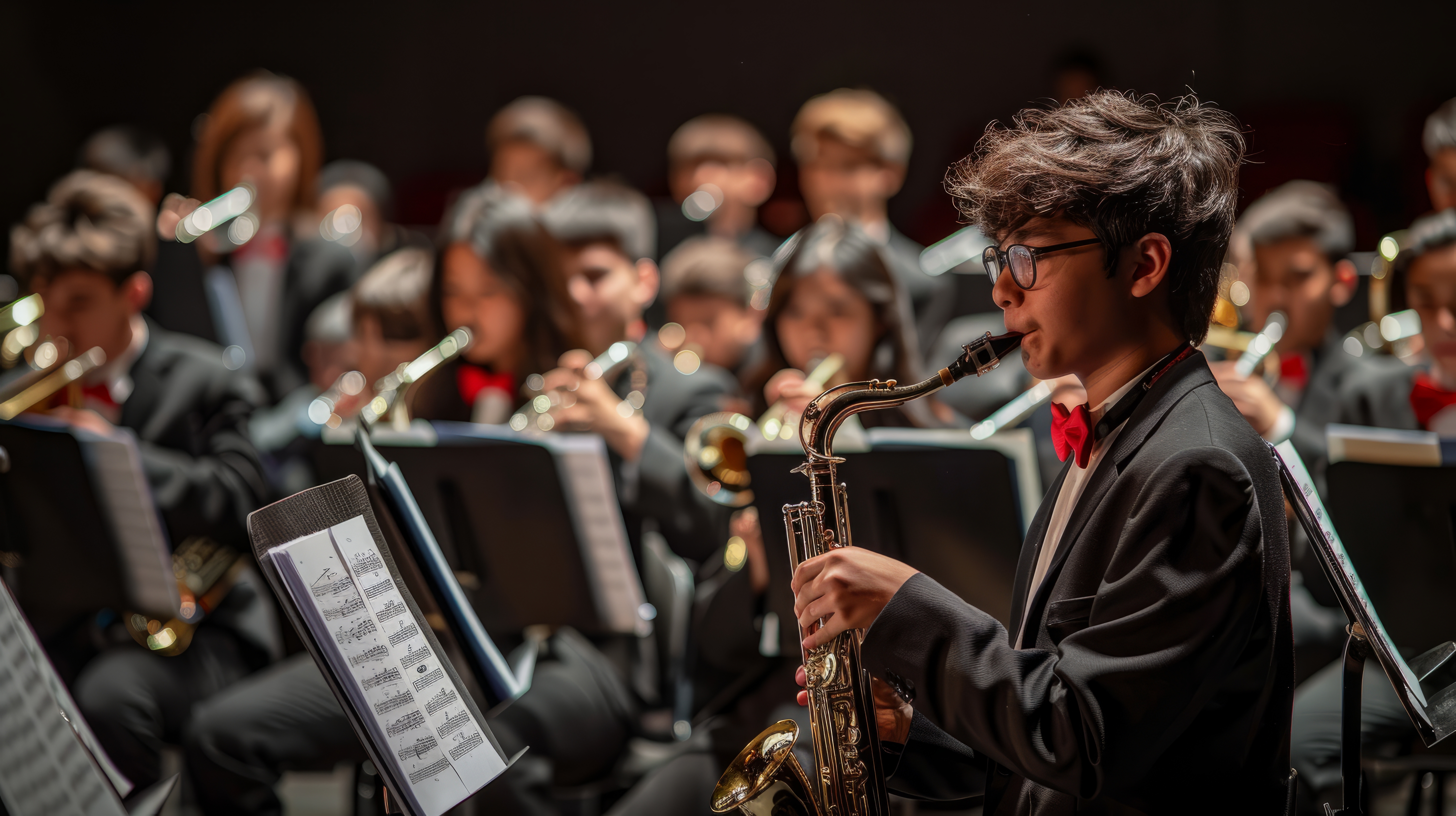










Small wind ensembles offer a unique and vibrant contribution to the world of classical music. Students may already be familiar with their own instrument’s concertos and sonatas, but it’s likely they haven’t yet heard many of the small ensemble works for winds. These more intimate chamber music settings offer the ideal opportunity for exploring both historical and contemporary repertoire. Selecting the right works for these ensembles fosters growth in personal technique and artistic expression, as well as inter-personal skills. With so many works available, it’s best to take some time to formulate a program or curriculum plan by considering what resources you have available, as well as the goals of the group.
Instrumentation
A concert program depends first on what instruments are available. Thankfully, composers have been busy for hundreds of years, and there is plenty for any combination of instruments! Small wind ensembles can range from duos to octets, perhaps even stretching to larger groups depending on the scenario. The balance and blend of these instruments are essential for achieving a cohesive sound; a woodwind quintet will have a different demand on blending considerations compared to a clarinet trio or saxophone quartet. The Internet has plenty of recommended repertoire lists, often organized by ensemble size. Or check out a sheet music store like Clarinet All Music that allows you to search for any specific instrument combination. Do you have a seemingly random handful of various instruments, or perhaps an overabundance of E-flat clarinets, or is there a double bass player kicking around? Just punch in the instruments and hit the search button!
Skill Level
Understanding the skill level of the ensemble members is crucial. Challenging music should stretch the musicians’ abilities without being overwhelming. It’s important to assess both the technical prowess and interpretive skills of each member to ensure the chosen pieces are ambitious yet achievable. If you are working with students outside of your own studio, inquire with their teachers beforehand to figure out each player’s current skill level. Consider kicking off chamber music sessions with some very basic, sight-readable chorales. This way, you can begin to address fundamentals of tuning and balance, while also getting a sense of each player’s capabilities.
Musical Styles and Periods
Baroque, classical, romantic, and modern eras each present unique challenges. A well-rounded selection should consider a mixture of these periods, allowing musicians to develop a broad range of techniques and expressive capabilities.
The intricate counterpoint of a baroque work demands precision, plus an understanding of performance practices that might be less familiar to clarinetists, for example. Try Handel, Telemann, or Bach, and don’t skip the arrangements! String quartets, for example, are a great resource when arranged for winds.
The classical era is a pillar of instrumental training for the typical wind player. Anton Reicha’s compositions are likely the most popular, and for good reason. He was a lifelong friend of Beethoven, and his wind quintets are genre staples. Their expansive structure requires stamina. Of course, Beethoven and Mozart are solid offerings, along with Haydn, Rameau, and Spohr.
Romantic and more modern eras can offer a wide array of expressive challenges. Dvořák has spirited folk dance rhythms, and Stravinsky has shifting meters and dissonant harmonies. Modern and contemporary music tends to have more extreme or specific markings for dynamics and articulation, helping students to stretch to new limits.
Besides ensuring a broad scope of history, also consider mixing up the countries. It’s easy to fall into the well-trodden path of “dead white European guys,” and while there’s certainly immense value in keeping tradition with the Western art canon, it’s also important to look for cultural variety. Thankfully, the globalization of the Internet has made it easy to find music from those “smaller corners” of the world. In reality, they’ve had their own vibrant musical cultures all this time, and perhaps you simply weren’t aware of it! Repertoire databases and doctoral dissertations are great resources for finding hidden gems, and you can also try asking groups on social media for recommendations.
Communication
Tackling demanding music strengthens the ensemble’s internal communication and cohesion. Musicians must learn how to use eye contact, physical cues, and coordinating breathing to ensure the group’s overall success. The artistic satisfaction gained from performing challenging music is immense. Successfully interpreting and executing a difficult piece provides a sense of accomplishment and confidence, and students will hone their communication skills through collaboration.
Conclusion
Selecting music for small wind ensembles involves a delicate balance of ambition and realism. By carefully considering the skill level and instrumentation of the group as well as exploring diverse musical styles, ensembles can find pieces that both challenge and inspire, and gain a deeper connection to the music and to each other.
ClarinetAllMusic.com LisasClarinetShop.com