




By Marcia Neel
The technology increasingly focused on Artificial Intelligence (AI). A future where humans abdicate thinking and decision-making to automation is presented as the next step in human progress. In music education teachers, conductors, and directors should be moving in the opposite direction AI toward AMI, Authentic Musical Intelligence. AMI shifts students away from automated responses to instruction and toward meaningful, individual processing of their performance. When students learn to self-analyze and adapt during rehearsals and performances, they evolve from passive receivers of information into responsive, independent musicians capable of shaping their own sound.
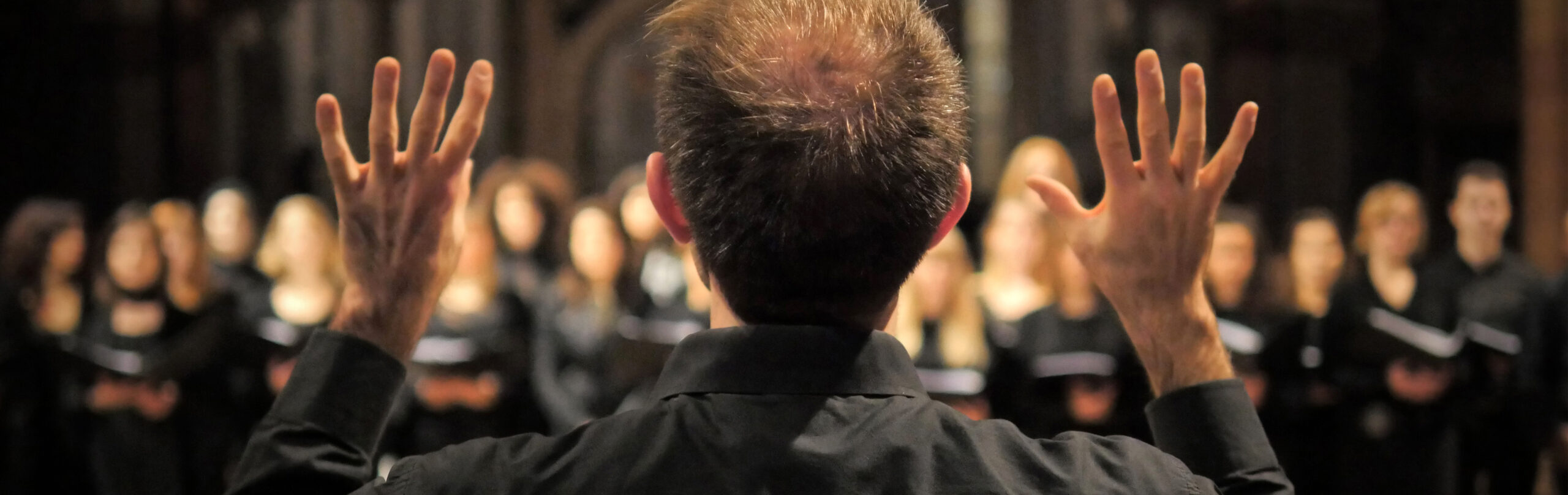
A traditional ensemble rehearsal typically involves students playing, stopping, receiving conductor feedback, and playing again. The information given is often directed to a small group and may not be comprehensive to the ensemble. Students then attempt to apply “fixes” to issues they did not hear or perceive on their own. The adjustment is artificial rather than authentic.
AMI focused rehearsals create a culture where students engage in continuous questioning, self-evaluation, and real musical adjustment. This process allows them to become their own teacher or conductor. When students recognize, diagnose, and solve musical inconsistencies without external prompting, they are practicing AMI in real time. Rehearsals infused with AMI lead to musical growth at an exponential rate because improvement is happening constantly in each player.
AMI does not emerge without effort. Students must be taught how to listen, what to analyze, and which adjustments lead to improved outcomes. Too often we ask students to play “more in tune,” “more in time,” “more in tone,” or “more musically” without giving them the vocabulary, sound models, or analytical tools needed to understand what those directives truly mean. What students need is an accurate inner dialogue and enhanced internal sound model. This begins with teaching them what to listen for, how to adjust, and what characteristic tone sounds like. Once students internalize these concepts, they can continuously monitor their performance by asking:
- Am I playing in time?
- Am I playing in tune?
- Am I playing with a great tone?
- Am I playing musically?
These guiding questions form powerful tools for daily self-analysis. They encourage students to listen deeply to themselves and the ensemble.
To help students develop authentic listening and analysis skills, ensemble rehearsals should include:
- The development and consistent use of musical vocabulary
- A fundamentals program that blends director and student feedback
- Exposure to high-quality characteristic tone
- Guided listening, reflection, analysis, and adjustment exercises
Developing Musical Vocabulary
Students need vocabulary to process what they hear. Begin with what they know. Create a word cloud exercise where they describe quality musical tone with their words. They might offer warm, smooth, rich, or full. Then reverse the exercise by asking for words that describe immature tone. They may say thin, harsh, or rugged. From these familiar words, lead them toward traditional terminology. When students have a musical language, they can use it for self and group analysis.
A Fundamentals Program That Includes Student Feedback
A consistent fundamentals program is essential for developing internal analysis skills. Choose exercises and provide clear, regular feedback. Avoid simply starting exercises and taking attendance. After consistent modeling, begin asking students what they hear. Guide them to articulate what needs to change. Invite students to the front of the room to offer feedback to their peers. The students giving feedback will learn more than those receiving it. Give students small rehearsal journals and encourage them to write brief reflections on what they can improve after each exercise.
Experiencing Characteristic Tone
Students cannot develop great tone without hearing great tone. In many school programs, it is difficult to provide a strong sound model for every instrument, so students may assume the best player in the ensemble is the standard for great tone. To help them develop a strong internal sound model play professional recordings or videos. Begin class with a brief “Daily Inspiration” listening activity. Ask students to describe what they hear and to journal about tone concepts. Keep a shared document of listening links for students who want to explore further.
Guided Listening and Reflection
Guided analysis can take many forms. Stop rehearsal and have students write quick bullet-point reflections in a rehearsal journal. Invite them to share observations with the ensemble. Provide recordings of pieces you’re preparing and ask students to compare what they hear to the sound of the professional ensemble. Help them identify specific differences and what adjustments could help their performance.
Through these practices, AMI becomes a rehearsal culture rather than a concept. When students learn to listen, analyze, and adjust independently, they transform into authentic musicians capable of meaningful artistic music making. This is the opposite of artificial intelligence, and exactly what our ensembles need most.