





By Eliahu Sussman
Since its inception in 1890, the Tournament of Roses Parade in Pasadena, California has grown to become one of the most acclaimed and lauded events in the marching world. Broadcast in over 200 countries and territories worldwide, this unique parade features thousands of musicians along its five-and-a-half-mile route. And for those school bands selected or invited to participate, this annual New Year’s celebration can provide an unforgettable experience.
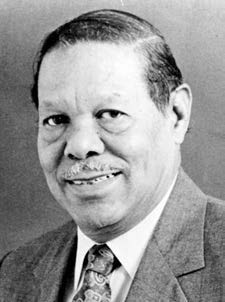
William B. Flinn is the executive director of the Tournament of Roses Parade. In addition to being involved in this prestigious event for over 30 years, Flinn also has a decidedly musical background: he was a music major as an undergrad and has been active in community and church music groups for decades. SBO magazine recently caught up with Flinn to discuss the unique attributes that high school groups bring to the Tournament of Roses Parade, as well as his thoughts on what bands can do to prepare for such celebrated – and scrutinized – performance opportunities.
School Band & Orchestra: Hi Bill! Let’s dive right in: what do high school marching bands bring to the Tournament of Roses Parade?
Bill Flinn: One of the great things about high school marching bands is that they are always bringing a new generation into a love of music. The camaraderie, people working towards a common goal – that’s what a musical organization brings to any event. It’s wonderful to see young people come together for a shared mission and purpose, giving up some of the individual for the good of the whole, and the wonderful life lessons that come into bear in musical groups of all levels.
We know that this project involves parents, faculty, teachers, aunts and uncles, community groups, and people throughout the community. When a group makes it to Pasadena, they actually represent their towns and communities – the message they bring goes way beyond their high school. The Tournament of Roses Parade also provides an opportunity for young musicians to experience different things and to stretch their world a bit.
SBO: And what do they contribute to the larger framework of the event?
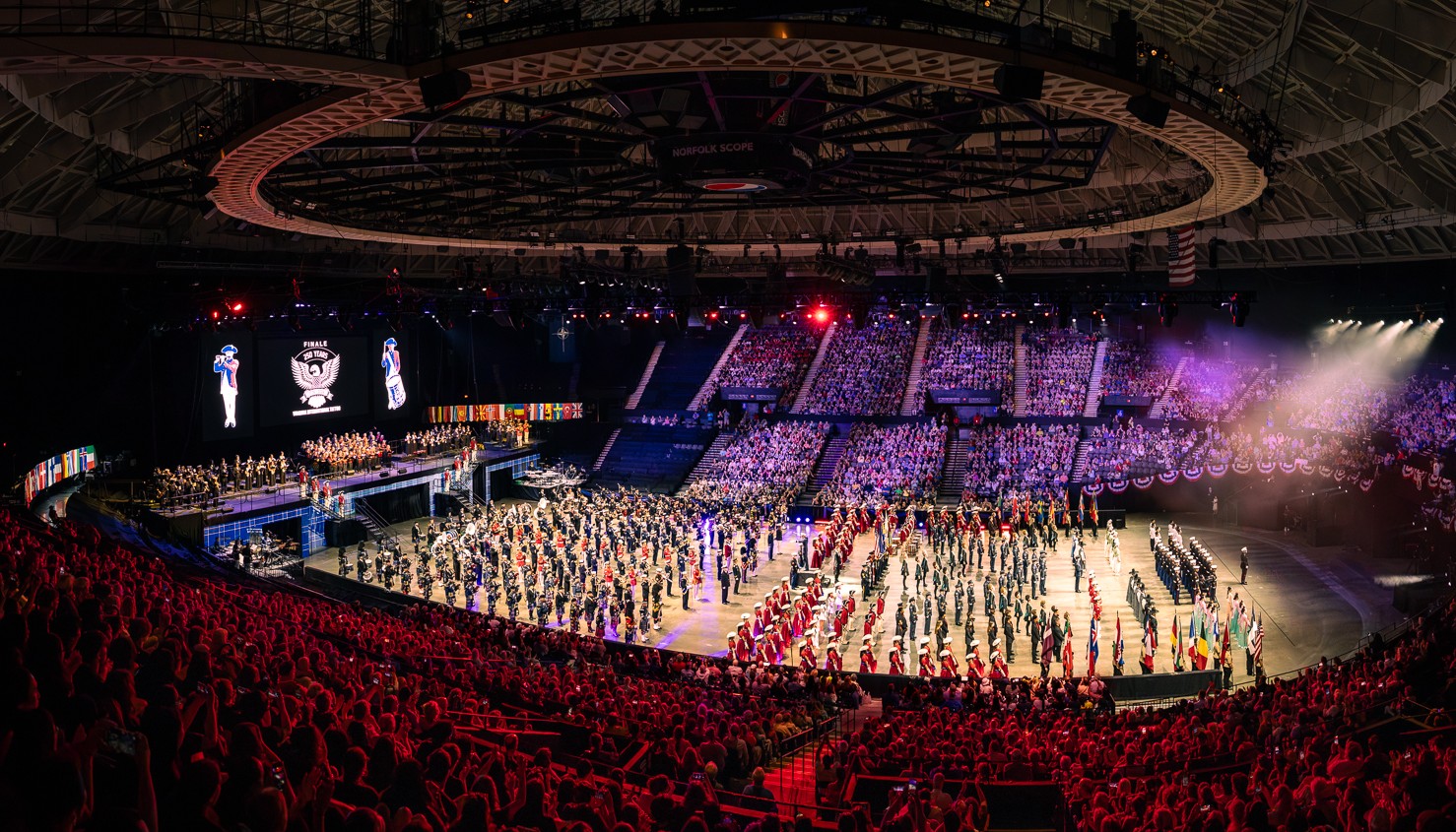
BF: By being able to have bands represent not only communities across the nation but internationally as well, there’s a coming together, a pulling together of between five and seven thousand musicians for this festival that rings in the new year. These bands all bring musical expertise. They bring their own unique bent on musical production, and their own particular look and feel, both stylistically and musically. A band from Guatemala is going to be very different stylistically from a band from Georgia. So they all bring unique cultural elements, a bit of who they are. A parade is ultimately about entertainment, and not only for the live audience but also via television.
SBO: When the selection committee is considering ensembles to invite or include in the festivities, what are the qualities that really stand out?
BF: First of all, personality. High school bands each have their own unique personality. And then, we ask, “Does that personality connect with what the feeling of the Tournament of Roses?” We aren’t doing halftime shows – this is a parade. So we look at if a group marches well, if they present well, and if they’re musically competent. It doesn’t take very long looking at a musical group to see if it meets those basic requirements. If they don’t march well, if they don’t play well, or if they don’t look good, well, they probably need to practice more.
SBO: Have you noticed any larger trends among musical groups participating in the Tournament of Roses Parade?
BF: There are a lot of different ways to go left-right, left-right, but you still have to go left-right, left-right – you have to get down the street! The Tournament of Roses looks for solid marching bands. There are other elements that can work very well on a field, but do they translate to the street? For example, more and more bands utilize amplified sounds in their presentation. We’re often looking for the more traditional presentation of sound. However, I’m not talking about style of music, just that we’re not really looking at amplifiers going down the street and that sort of thing – it’d take some very long extension chords to make it down the 5.5-mile parade route!
In some respects, we are quite traditional. At the same time we’re looking or the creative aspect of it – something that a particular band can bring to the parade that is unique. We don’t want every band to look like a carbon copy of the prior one that just went by. So, that means creativity is very important, but it needs to be creative within the framework of what this is: a parade, not something else.
SBO: Are there any experiences that jump out at you over the past bunch of years that might lead to some dos and don’ts for educators who are thinking of trying to bring an ensemble to the Rose Parade?
BF: Most educators are really trying to work towards excellence. Excellence is the name of the game: trying to be the very best that you can. And you get there by practice.

SBO: How about tips for creating an attractive demo presentation?
BF: If people are trying to put a video up, to impress that they are great marchers and know how to turn corners and everything else, they need to make sure that their audition tape demonstrates that. If it’s being videotaped by a friend of a band member and the audio is inferior or the mix isn’t great because of where they were standing, or they happened to catch the band on a bad day, that might be problematic. The presentation is really important.
When it comes to the presentation, you need to think it through: what’s the best way to show this? Now, for example, if you want to show that it’s a big band so you take a photograph of the entire band from 450 feet away, that may not give the committee – who is then going to compare it to some other group – what kind of personality there is in your ensemble.
Preparation of the presentation is important. It needs to uniquely reflect the ensemble. The sound has to be good, the presentation has to be good, and you basically have to convince people that you’re the right kind of band for a parade show that will be broadcast on television –
SBO: – and around the world! Personally what are some of the musical highlights that stick out to you?
BF: The groups that stick out to me are the ones who were very sharp in their discipline: they were articulate in their musical presentation, they knew their music well, and they knew what they were going to do. Basically, they came to the parade prepared. When a group has a great sound, great discipline and has perfected their craft, then their personality really comes out. There are a lot of high school musicians out there that are doing a great job at that.
SBO: Any other thoughts you’d like to share with music educators?
BF: First of all, we really appreciate what people are doing in music education programs across the country. We realize that it may not be as easy today – I don’t know that it was ever easy – but we realize that it may be more difficult to reach educators’ goals given current constraints.
We believe that music is a fundamentally important part of society, and we see that music is at the center of every culture in the world. The Tournament of Roses purpose, really, as far as having bands participate is really to be able to promote the music programs of schools and organizations across the country.
School Band & Orchestra: Hi Bill! Let’s dive right in: what do high school marching bands bring to the Tournament of Roses Parade?
Bill Flinn: One of the great things about high school marching bands is that they are always bringing a new generation into a love of music. The camaraderie, people working towards a common goal – that’s what a musical organization brings to any event. It’s wonderful to see young people come together for a shared mission and purpose, giving up some of the individual for the good of the whole, and the wonderful life lessons that come into bear in musical groups of all levels.
We know that this project involves parents, faculty, teachers, aunts and uncles, community groups, and people throughout the community. When a group makes it to Pasadena, they actually represent their towns and communities – the message they bring goes way beyond their high school. The Tournament of Roses Parade also provides an opportunity for young musicians to experience different things and to stretch their world a bit.
SBO: And what do they contribute to the larger framework of the event?
BF: By being able to have bands represent not only communities across the nation but internationally as well, there’s a coming together, a pulling together of between five and seven thousand musicians for this festival that rings in the new year. These bands all bring musical expertise. They bring their own unique bent on musical production, and their own particular look and feel, both stylistically and musically. A band from Guatemala is going to be very different stylistically from a band from Georgia. So they all bring unique cultural elements, a bit of who they are. A parade is ultimately about entertainment, and not only for the live audience but also via television.
SBO: When the selection committee is considering ensembles to invite or include in the festivities, what are the qualities that really stand out?
BF: First of all, personality. High school bands each have their own unique personality. And then, we ask, “Does that personality connect with what the feeling of the Tournament of Roses?” We aren’t doing halftime shows – this is a parade. So we look at if a group marches well, if they present well, and if they’re musically competent. It doesn’t take very long looking at a musical group to see if it meets those basic requirements. If they don’t march well, if they don’t play well, or if they don’t look good, well, they probably need to practice more.
SBO: Have you noticed any larger trends among musical groups participating in the Tournament of Roses Parade?
BF: There are a lot of different ways to go left-right, left-right, but you still have to go left-right, left-right – you have to get down the street! The Tournament of Roses looks for solid marching bands. There are other elements that can work very well on a field, but do they translate to the street? For example, more and more bands utilize amplified sounds in their presentation. We’re often looking for the more traditional presentation of sound. However, I’m not talking about style of music, just that we’re not really looking at amplifiers going down the street and that sort of thing – it’d take some very long extension chords to make it down the 5.5-mile parade route!
In some respects, we are quite traditional. At the same time we’re looking or the creative aspect of it – something that a particular band can bring to the parade that is unique. We don’t want every band to look like a carbon copy of the prior one that just went by. So, that means creativity is very important, but it needs to be creative within the framework of what this is: a parade, not something else.
SBO: Are there any experiences that jump out at you over the past bunch of years that might lead to some dos and don’ts for educators who are thinking of trying to bring an ensemble to the Rose Parade?
BF: Most educators are really trying to work towards excellence. Excellence is the name of the game: trying to be the very best that you can. And you get there by practice.
SBO: How about tips for creating an attractive demo presentation?
BF: If people are trying to put a video up, to impress that they are great marchers and know how to turn corners and everything else, they need to make sure that their audition tape demonstrates that. If it’s being videotaped by a friend of a band member and the audio is inferior or the mix isn’t great because of where they were standing, or they happened to catch the band on a bad day, that might be problematic. The presentation is really important.
When it comes to the presentation, you need to think it through: what’s the best way to show this? Now, for example, if you want to show that it’s a big band so you take a photograph of the entire band from 450 feet away, that may not give the committee – who is then going to compare it to some other group – what kind of personality there is in your ensemble.
Preparation of the presentation is important. It needs to uniquely reflect the ensemble. The sound has to be good, the presentation has to be good, and you basically have to convince people that you’re the right kind of band for a parade show that will be broadcast on television –
SBO: – and around the world! Personally what are some of the musical highlights that stick out to you?
BF: The groups that stick out to me are the ones who were very sharp in their discipline: they were articulate in their musical presentation, they knew their music well, and they knew what they were going to do. Basically, they came to the parade prepared. When a group has a great sound, great discipline and has perfected their craft, then their personality really comes out. There are a lot of high school musicians out there that are doing a great job at that.
SBO: Any other thoughts you’d like to share with music educators?
BF: First of all, we really appreciate what people are doing in music education programs across the country. We realize that it may not be as easy today – I don’t know that it was ever easy – but we realize that it may be more difficult to reach educators’ goals given current constraints.
We believe that music is a fundamentally important part of society, and we see that music is at the center of every culture in the world. The Tournament of Roses purpose, really, as far as having bands participate is really to be able to promote the music programs of schools and organizations across the country.
You may also like:
 SBO Presents The 19th Annual 50 Directors Who Make A Difference
 The Three-Quarter-Time Maestro: André Rieu and His Vision for Waltzes in Music Education
 The 23rd 50 Directors Who Make a Difference Report
 2013 ’50 Directors Who Make a Difference’ Report
 SBO Presents the 21st Annual 50 Directors Who Make a Difference