





• Latest
  • Trending
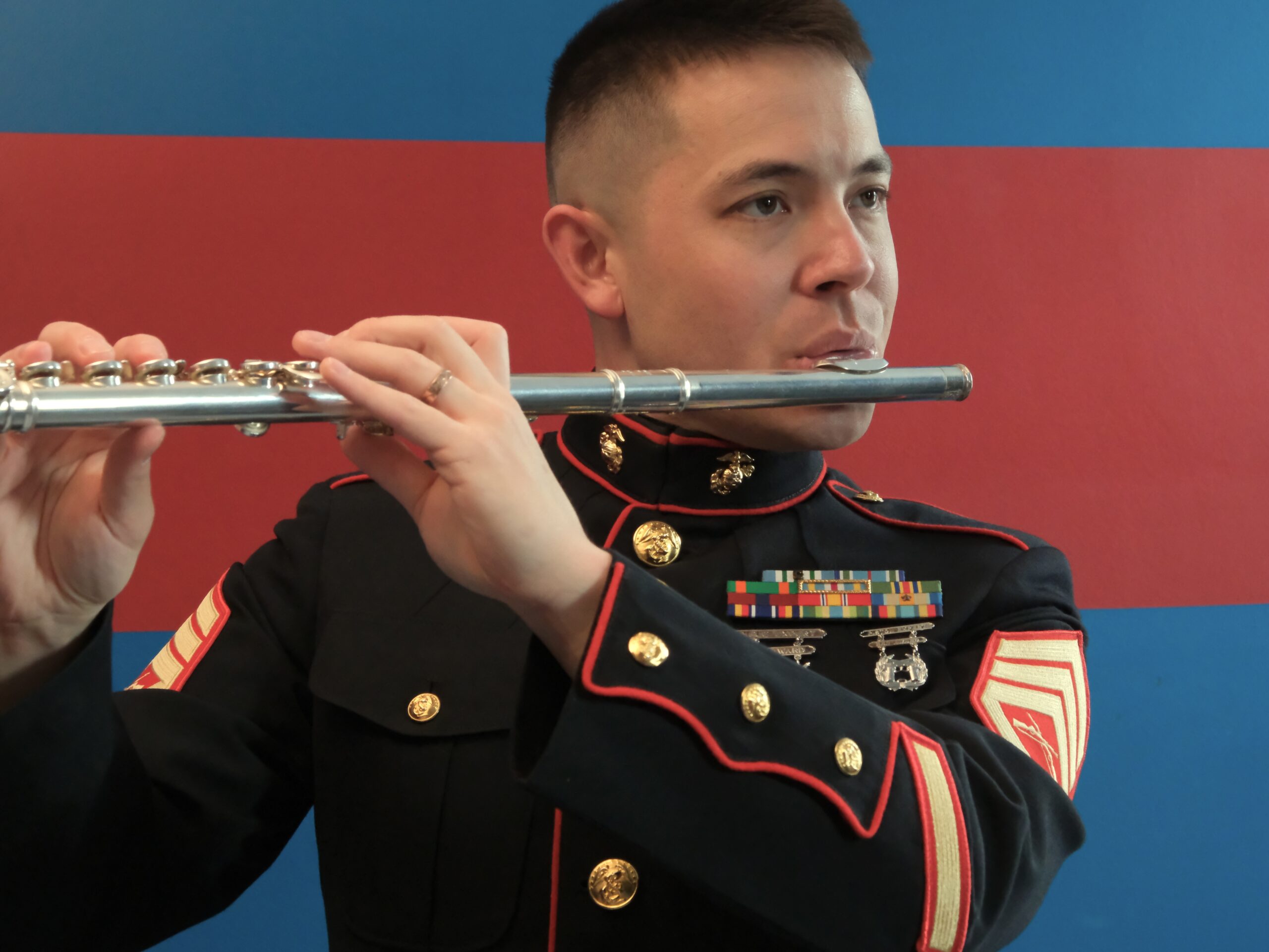
First Lieutenant Darren Lin of “The President’s Own” United States Marine Band

Concert Auxiliary Percussion

February 23, 2022
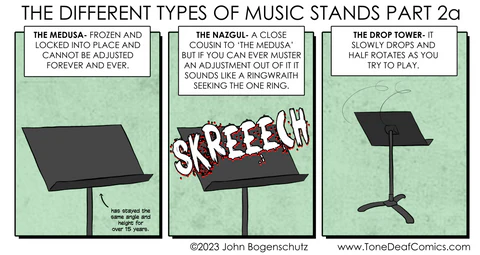
The Different Type of Music Stands – Part 2a

The Different Type of Music Stands – Part 2a

May 22, 2026

If You Can’t Beat ‘Em, Join ‘Em

May 21, 2026
ADVERTISEMENT
A Good Stage Manager is Better than Gold

A Good Stage Manager is Better than Gold

May 20, 2026
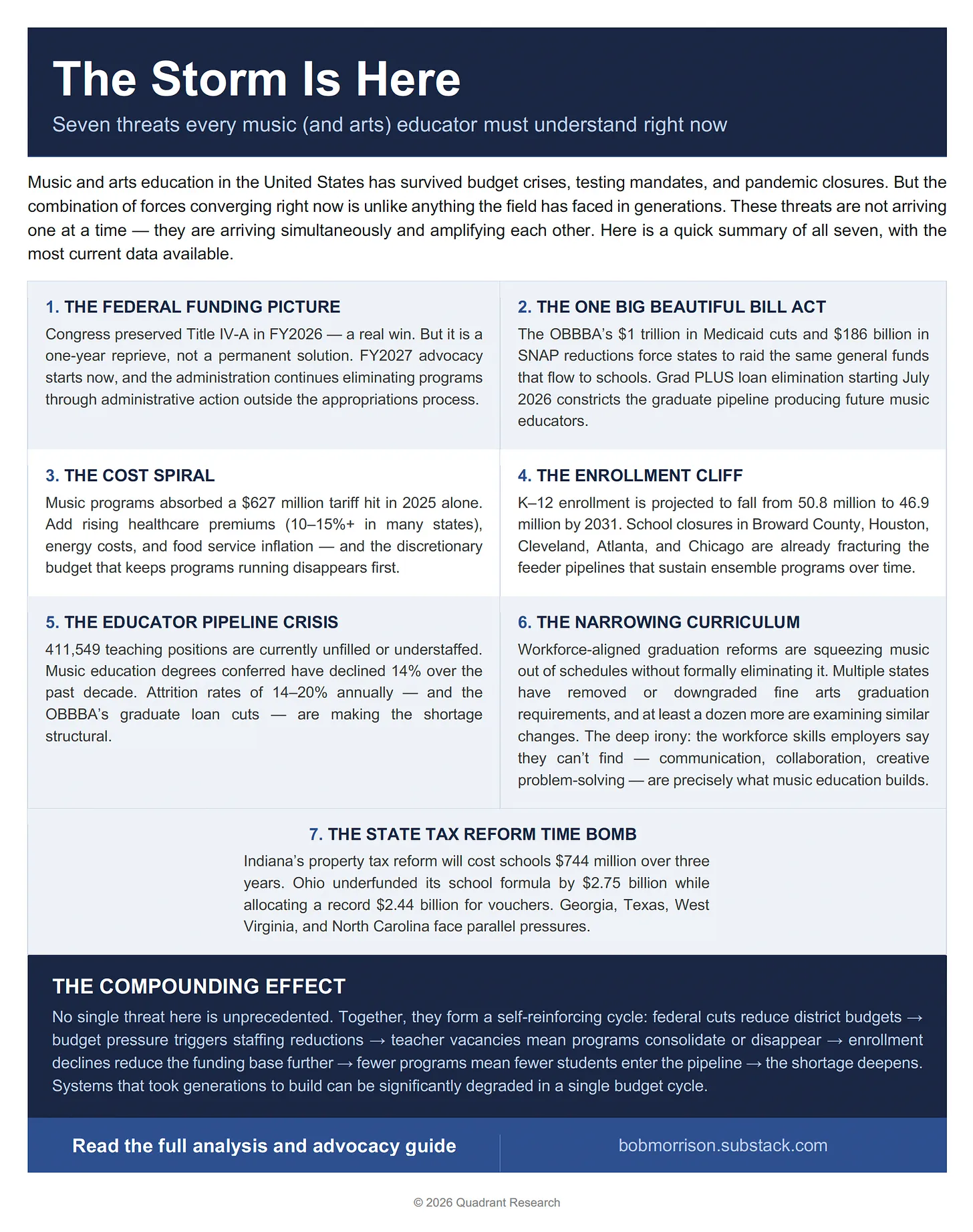
The Storm Is Here: Seven Threats Every Music (and Arts) Educator Must Understand Right Now

The Storm Is Here: Seven Threats Every Music (and Arts) Educator Must Understand Right Now

May 18, 2026
Stepping Stones

Stepping Stones

May 15, 2026
Building a Stronger Ecosystem for Growth in the Music Industry

Building a Stronger Ecosystem for Growth in the Music Industry

May 14, 2026
The Hidden Leadership Patterns That Are Draining You

The Hidden Leadership Patterns That Are Draining You

May 13, 2026
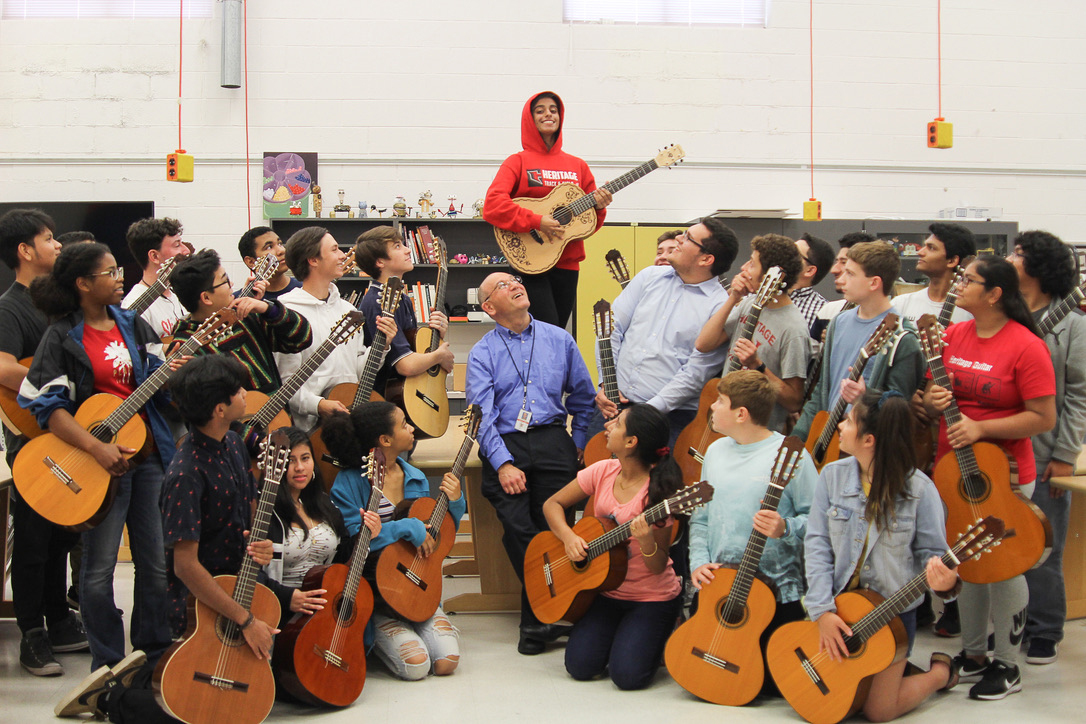
Guitar Education: Beyond Hum and Strum

Guitar Education: Beyond Hum and Strum

May 12, 2026
Destiny is a Weird Thing

Destiny is a Weird Thing

May 11, 2026
American Bandmasters Association Announces New Recognition

American Bandmasters Association Announces New Recognition

May 8, 2026
Headlines

Headlines

May 7, 2026
The Future Looks Bright

The Future Looks Bright

May 7, 2026
Friday, May 22, 2026
  • Contact
SBO+
  • Advertise
  • Subscribe Free!
    • Manage Subscription
  • Departments
    • Choral
    • String Section
      • String Section
    • Concert Band
    • Modern Band
      • Mariachi
    • Orchestra
    • Instruments
      • Woodwinds
        • Wind Talkers
      • Percussion
        • GoodVibes
      • Repertoire
      • Playing Tips
    • Marching Band
    • Resources
      • Fundraising
    • Jazz
    • Brass
    • General Music
    • Advocacy
      • NAfME Neighborhood
      • MAC Corner
      • MusicEd: Mentor Minute
    • Commentary
      • Bubbett’s Bookshelf
      • Leadership Tips
      • Perspective
      • InService
        • America’s Bandmasters
        • America’s Musicians
      • Tone Deaf Comics
    • Features
    • News
      • Headlines
  • Current Issue
    • Past Issues
  • Support
  • Awards/Entries
    • 50 Music Teachers who Make a Difference
    • Teachers’ Choice Awards Nominations
No Result
View All Result
  • Advertise
  • Subscribe Free!
    • Manage Subscription
  • Departments
    • Choral
    • String Section
      • String Section
    • Concert Band
    • Modern Band
      • Mariachi
    • Orchestra
    • Instruments
      • Woodwinds
        • Wind Talkers
      • Percussion
        • GoodVibes
      • Repertoire
      • Playing Tips
    • Marching Band
    • Resources
      • Fundraising
    • Jazz
    • Brass
    • General Music
    • Advocacy
      • NAfME Neighborhood
      • MAC Corner
      • MusicEd: Mentor Minute
    • Commentary
      • Bubbett’s Bookshelf
      • Leadership Tips
      • Perspective
      • InService
        • America’s Bandmasters
        • America’s Musicians
      • Tone Deaf Comics
    • Features
    • News
      • Headlines
  • Current Issue
    • Past Issues
  • Support
  • Awards/Entries
    • 50 Music Teachers who Make a Difference
    • Teachers’ Choice Awards Nominations
No Result
View All Result
SBO+
No Result
View All Result

Concert Auxiliary Percussion

February 23, 2022
in Archives, GoodVibes, February 2022
Share on Facebook
Bob Rogers Travel
ADVERTISEMENT
By SBO+ Staff

One of the most neglected aspects of percussion are auxiliary instruments. Students love to focus on drum set, snare drum, and mallets, however, auxiliary instruments play an important role. 

Claves
Claves are a unique sounding set of wood cylinders. In order to get the right sound, your student should make a fist with their left hand and place their hand in front of them with the palm towards the sky. One clave should lay loosely between the palm and knuckles, as if it is just resting. This ensures that the sound does not get muted. The other clave is held with the opposite hand and it lightly strikes the one resting on the left hand. The sound comes front the resting clave being struck and the tone rings out because it is resting and not gripped at all, allowing it to resonate. The interesting thing is that if your students switch out the claves to where the striking one is resting, they will notice a slightly different tone giving them two tones to choose from, whichever fits the song or the desired sound. The reason the sound is different is because wood always has inconsistent density. Every clave is slightly different.

Tambourine
The tambourine should be held right at the hole with the left hand. It should always be held at a 45-degree angle so the metal disks don’t make noise in a concert. The head should be lightly struck with either the palm or the fist of the right hand, depending on the desired sound. The tambourine can also be shaken side to side to play straight sixteenth notes, and even struck with the opposite hand on beats two and four while doing so, in order to create a back beat. There is also a “thumb roll” on tambourine. There has to be friction on the head, either because the head has a gritty surface or your student uses a little rosin on their thumb. The thumb is then pushed across the tambourine, and the friction between the thumb and the head causes the tambourine to vibrate and the metal discs to shake.

Triangle
A clip with a string should hold the triangle, with the clip being held with the left hand with the student’s fingers preventing the triangle from spinning by using the fingers very lightly to keep it in place. Metal beaters of different sizes create different pitches. The triangle can be lightly struck with the beater of the opposite hand. If your student strikes too hard, the sound will be distorted, so it is important to do a very delicate and light strike. The fingers from the hand that is holding the clip may be used to dampen the triangle if a staccato beat is required. A triangle role is executed by rolling inside one of the corners of the triangle, working the rebound from the metal and have the beater make a continuous sound. 

Shakers
There are different sizes and shapes of shakers. I prefer egg shakers for their crisp sound. They can be shaken quickly to create a “rattlesnake” sound. They can also be shaken in a sixteenth note or eighth note pattern. Your student has to get the feel of the beads inside of the shaker rebounding back and forth. Once this is mastered, it is easy to do this technique in tempo by moving the hand back and forth (front to back using the wrists) with the palm facing the ceiling and the egg shaker being loosely held with the knuckles and palm. 

Concert Bass Drum
Concert bass drums use different sized beaters for different sounds. Some beaters have a lot of “puff,” so there is no attack sound. It is very important to first figure out what kind of sound the composition requires from the bass drum as it will dictate what type of mallet to use. As a rule, the bass drum should be struck off from center of the middle of the head to get the best sound, usually two thirds of the way from the rim to the center of the drum. The middle of the head will produce a “dead” sound. Sometimes this middle sound is called for in the music. Playing near the rim can also create a unique sound effect for a musical situation that calls for this. The student should always use the opposite hand to dampen the bass drum when a staccato sound is required. 

Chimes
Chimes also use several types of beaters. A wood beater will give a mellow sound. A soft rubber beater will give an even more mellow sound with no attack. A hard rubber beater will give a loud sound with a heavy attack. Chimes should almost always be struck on the top disc and your student should rebound off of the chime to pull the sound out. Once in a while the music will call for the body of the chime to be struck for a unique sound effect. The chimes are laid out like a piano or a set of concert bells. The dampening pedal should be used to control the ringing of the chimes as called for in the music. 

There are too many auxiliary percussion instruments to cover in one article. In a later issue I will discuss some more of them as your students continue on their quest to master the art of percussion!

Kevin Lucas

In 2016, The Huffington Post called Kevin Lucas “the most talented percussionist since Lionel Hampton, Ginger Baker and Tito Puente”. He has been nominated for 38 music industry awards for his Echoes in the Sand album, and he won the 2016 American Songwriting Awards. Kevin performed with the Madison Scouts Drum and Bugle Corps from 1992-1994 and won the DCI Midwest Individuals in 1994 for keyboard percussion.

 He placed second in the United States for concert hall percussion at the Music Teachers National Association collegiate competition in 1997.

You may also like:

Percussion Performance: Timpani Vote Now for 2014 Best Tools for Schools Repair: Drum Maintenance Percussion Performance: Sight-Reading SBO Presents The 19th Annual 50 Directors Who Make A Difference
Godlyke Inc.
ADVERTISEMENT
Rovner
ADVERTISEMENT

POPULAR STORY

  • New Products December 2025

    New Products December 2025

    1790 shares
    Share 716 Tweet 448
  • Holiday Gift Guide for Music Businesses: Tools to Boost Engagement and Growth

    1713 shares
    Share 685 Tweet 428
  • 50 Music Teachers Who Make a Difference

    1416 shares
    Share 566 Tweet 354
  • When Selecting New Choral Music, Choose Success

    1299 shares
    Share 520 Tweet 325
  • 2025 Teachers’ Choice Award Winners

    1186 shares
    Share 474 Tweet 297
Sweetwater
ADVERTISEMENT

SchoolMusic.Travel

No articles found.
Next Post
Keep on Running!

When the Note Ends...

  • May 2026

    Articles | Digital Issue
  • April 2026

    Articles | Digital Issue
  • March 2026

    Articles | Digital Issue
  • February 2026

    Articles | Digital Issue
  • January 2026

    Articles | Digital Issue
© 2005 - 2026 artistpro, LLC
7012 City Center Way, Suite 207
Fairview, Tennessee 37062
(800) 682-8114

No Result
View All Result
  • Advertise
  • Subscribe Free!
    • Manage Subscription
  • Departments
    • Choral
    • String Section
      • String Section
    • Concert Band
    • Modern Band
      • Mariachi
    • Orchestra
    • Instruments
      • Woodwinds
      • Percussion
      • Repertoire
      • Playing Tips
    • Marching Band
    • Resources
      • Fundraising
    • Jazz
    • Brass
    • General Music
    • Advocacy
      • NAfME Neighborhood
      • MAC Corner
      • MusicEd: Mentor Minute
    • Commentary
      • Bubbett’s Bookshelf
      • Leadership Tips
      • Perspective
      • InService
      • Tone Deaf Comics
    • Features
    • News
      • Headlines
  • Current Issue
    • Past Issues
  • Support
  • Awards/Entries
    • 50 Music Teachers who Make a Difference
    • Teachers’ Choice Awards Nominations

© 2005 - 2024 artistpro, LLC 7012 City Center Way, Suite 207 Fairview, Tennessee 37062 (800) 682-8114

Wenger Transcend Ad
Wenger Transcend Ad