




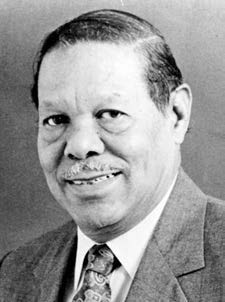



 With all the challenging emotions students across the country are feeling these days, I asked former band director, music educator and bassoonist Dr. Christine Carruci to write this article for SBO reflecting on how music educators can best serve music students. -Lisa Canning
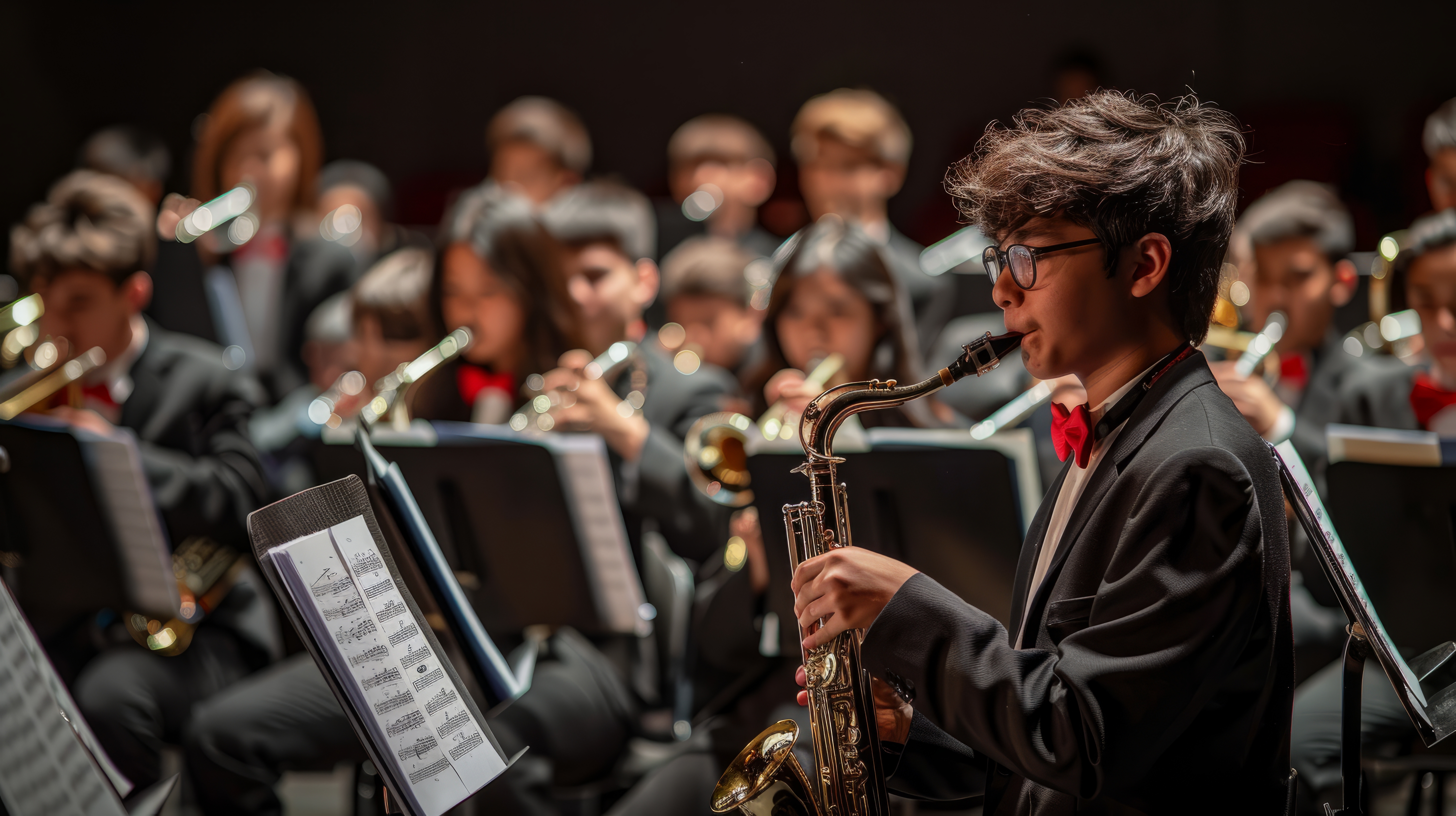
Ensemble directors can regularly engage and develop the emotions of students through the power of music. Music has an ability to draw in the listener, evoking both physical and physiological responses. People all over the world turn to music to lift spirits, regulate emotions, and bring communities together in times of need. As a unifying force, there is a social and communal aspect of group music making, one that can forge bonds between members and have an impact on how an individual feels supported through a sense of belonging. These examples show that music can have a profound impact on both the listener and the performer.
With so many benefits to both listening and performing music, music educators and their programs have an important role to fill in each school community. Recent headlines point to a disturbing trend in the emotional stability of our youth, being complicated by stressors of social media, and exacerbated by a persistent pandemic. Teachers have a unique opportunity to make a strong and positive impact on students, not just through exemplary performance experiences, but also through tapping into the emotional and affective aspects of music. As music directors, we help our students understand the elements of music (cognitive learning), and assist our students in developing skills to perform (psychomotor learning), but how often do we bring our student’s attention to focus on the emotional power of music (affective learning)?
Affective learning taps into the emotions and is focused on the development and expression of feelings, values, motivations, and attitudes. Work in educational psychology and neuroscience tells us that learning rooted in emotions is not only meaningful but will etch strong memories for learners. While affective learning can be powerful, it is not as straightforward as other aspects of learning. In her book Shaping Sound Musicians Patricia O’Toole says, “They are not the reason most students sing in choir or play an instrument, and they are not the reason most music teachers choose music as their profession.” It is the feelings or strong emotions we receive from a musical experience that keeps us returning for more. Determining how we can incorporate more of these experiences in our classes can be powerful for student engagement, retention, and developing lifelong appreciation for music.
Like other learning taxonomies, there is a hierarchy of how we can engage our students with affective learning. At the most basic level is “receiving,” which asks students to bring awareness or selected attention to an idea. The student’s response to receiving may just be to listen and acknowledge a new idea or a piece of music. At the next level, we ask students to “respond.” At this level, students can share ideas on a given prompt through discussion or in writing. “Valuing,” the third level, relates to the worth an individual places on a belief, judgement, or behavior. When we ask students to engage in valuing, we are using their ability to reason and act upon their understanding. For example, this can take the role of appreciating or justifying an opinion, or to identify personal or ensemble goals for the future. The fourth level in the affective taxonomy is the “organization” of values. At this stage, a student becomes aware of a scope of ideas and beliefs and can create a unique and individualized sense of order based on their personal values and experiences. To draw attention to this kind of affective learning, we might ask students to consider how they prioritize their time, or to take responsibility for personal or ensemble growth. Once the organization of values is in place, a student can engage in the highest level of the affective hierarchy, which is described as “characterization,” or as “internalizing.” At this final level, students can enact their beliefs, values, and motivations, both in and out of the classroom.
One of the unique components of affective learning is that each response is individualized. There is no right or wrong answer, but rather a focus on personalized growth, an acceptance of ideas, the ability to be sensitive toward opposing ideas, and the opportunity to articulate and express personal feelings. If ever there was a time for the affective domain to be put into action, the time is now. We are in an era where many students need guidance on how to navigate the wide range of emotions they may have in an increasingly complex world, and music can be one tool to do just that.
Christine Carucci currently teaches orchestra in Boardman, OH and serves as an online learning specialist for Lisa’s Clarinet Shop.