






 Music teachers in school settings often feel a sense of isolation from the activities happening in other classrooms, and a lack of understanding on the part of other teachers and administrators about what it is, exactly, that music teachers teach. There are striking differences in the way teaching and learning happens in the music classroom when compared to the activities happening in other classes. In the current standards-obsessed education climate, appropriate musical activity in the classroom faces real obstacles in being appreciated, understood, and ultimately funded, because it resists being reduced to a checklist of objectives.
Which is not to say that there are not discrete objectives for a music teacher to impart to his or her students – quite the opposite, in fact. Music-making is such a complex activity that the act of separating all the components that go into it into easily assessed bytes of information ultimately leaves out essential aspects of what it is really about, presenting an incomplete picture at best, and at worst, a distorted view of the purpose and value of musical activity.
And it’s true that there is a vast amount of both knowledge and skills for a music student to assimilate. An accomplished musician is expected to have a systematic knowledge and set of abilities in regards to music generally and to their chosen discipline specifically (i.e. technical proficiency on an instrument/voice and mastery of a complex notation system, working knowledge of music theory, history, repertoire, etc.) as well as the ability to apply these skills to varying social circumstances. To be successful, a musician must develop a secure understanding of the rehearsal and performance process both in regards to their own abilities and psychology and in the context of the conventions of making music with others.
Much of the content a musician must master is traditionally presented sequentially out of necessity – as in other academic disciplines like mathematics, many musical concepts build upon previous knowledge, and these are the aspects which lend themselves most easily to academic means of assessment, and to codification as standards.
But this is only part of what a music teacher does in the classroom, in rehearsal, and what music students learn and experience.
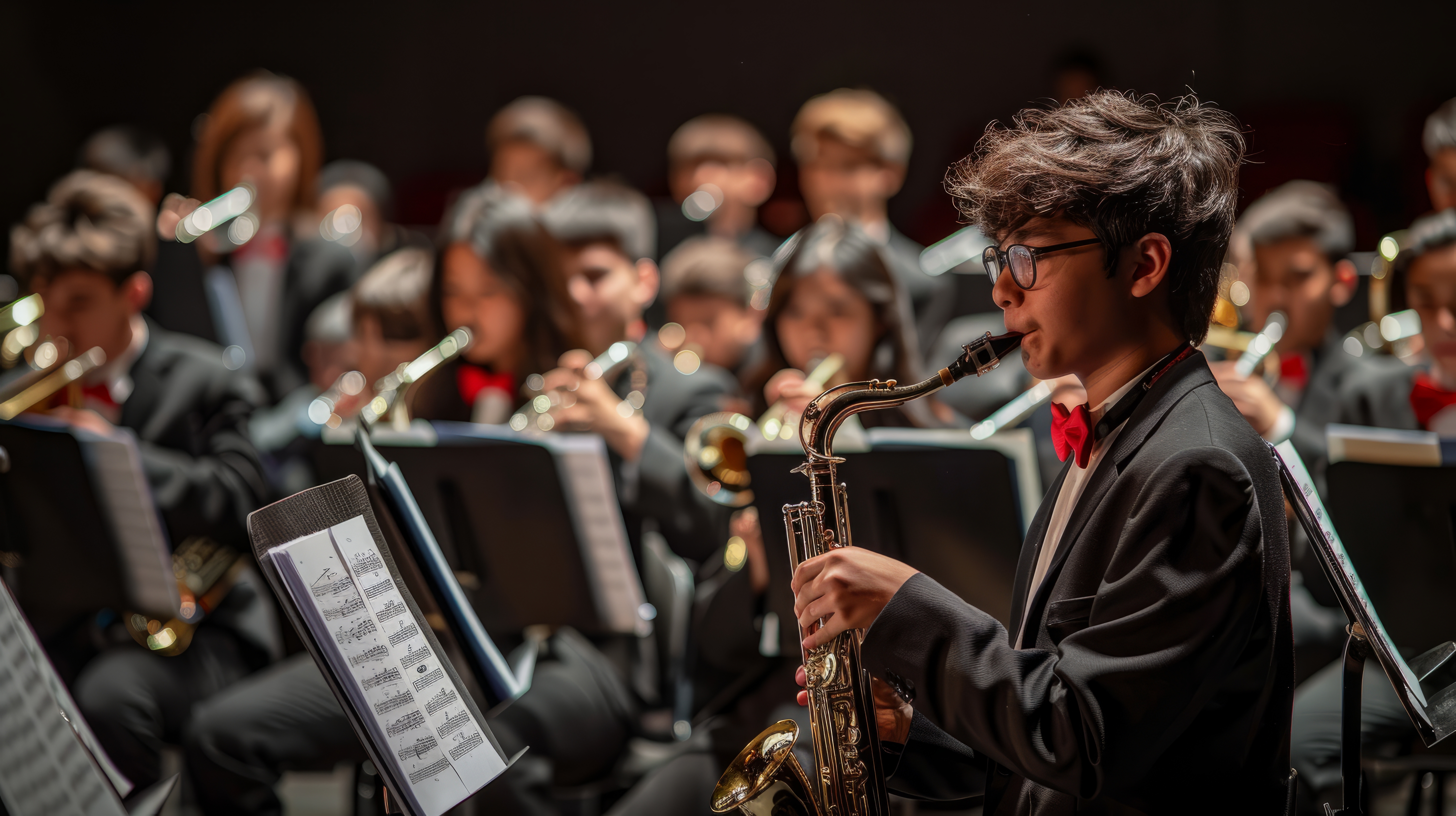
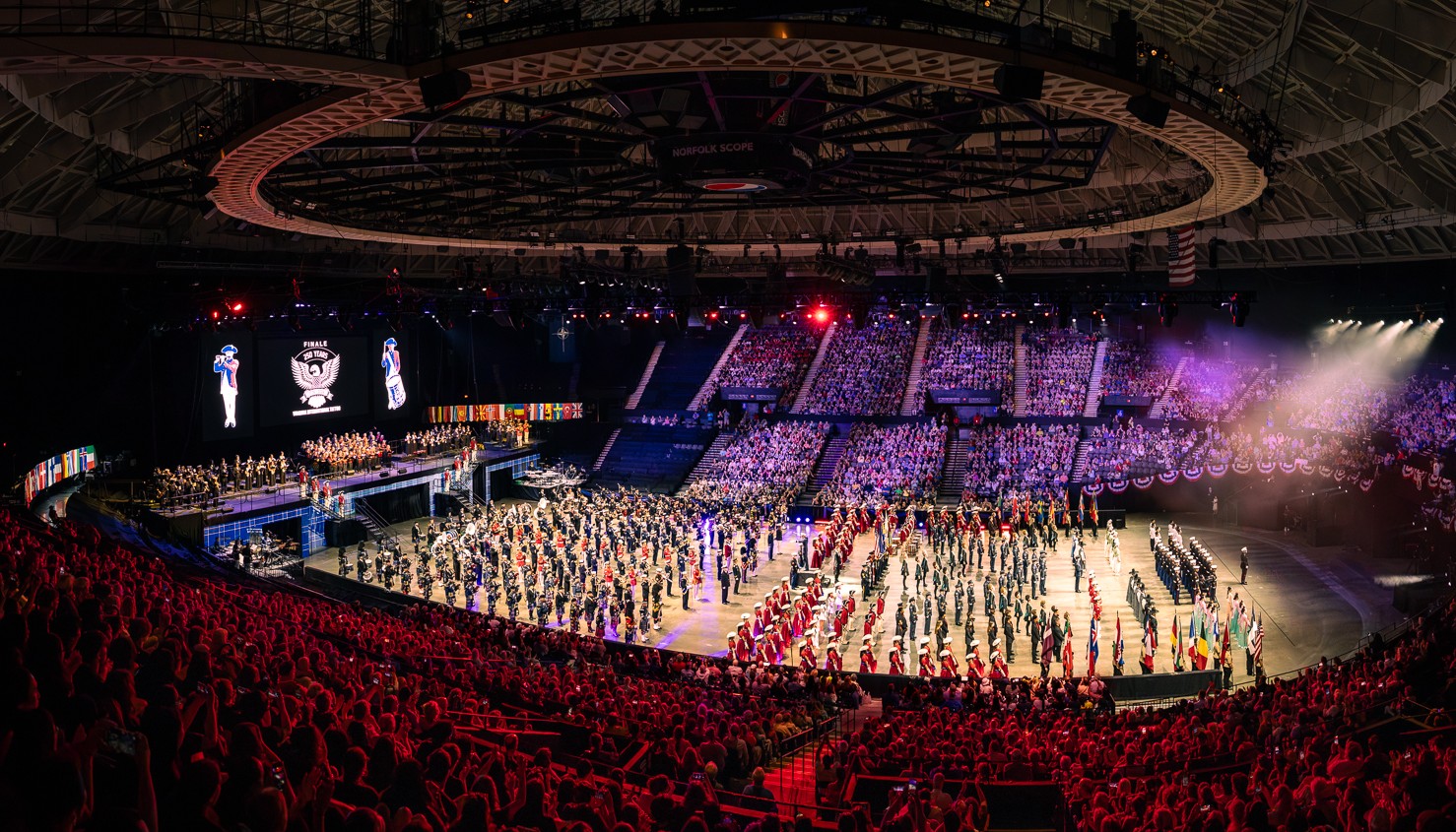
Music plays a unique and important place in our culture and an understanding and appreciation of music is a hallmark of the educated person. Beyond the content of the music curriculum however, there is something fundamentally different about the process of music-making from the way most other subjects are taught in school that is of immense value to the successful education of dynamic, flexible, and responsive individuals. Students who sing in choir or play in band or orchestra must simultaneously perform a complex set of operations that call on more aspects of the human being than any other activity they face in school. All at once, they must:
Maintain awareness of the physical body, holding a specific posture(s) and performing precise physical techniques to produce sound either with the voice (the breath) or on an instrument (the breath and/or hands and in some cases other parts of the body).
Listen: not just to a single object of the attention (e.g. a teacher’s or classmate’s voice), but to the sound they are producing themselves and what those in the ensemble around them are doing (often many different parts or sections of the ensemble doing different things all at once) – constantly adjusting their performance in response to what they hear.
With the eyes, interpret visual cues from the director to align their efforts with those of everyone else in the ensemble – constantly adjusting their performance in response to what they see.
With the eyes, read and interpret a complex notation system (that they are in the process of learning to understand) that describes what they are to play in real time.
Negotiate their own emotional responses to the experience – this can be complex in itself, consisting of multiple layers including response to social experience (subordinating ego to the needs of the ensemble), artistic/intellectual/spiritual response to the music itself, and emotions provoked by the constant process of evaluation, criticism, and the attempt to improve performance that is the daily grind of the rehearsal process.
The concentration required to do all of this at once is formidable, and the only other activities a child participates in in school that come close to this level of complexity are in other performing arts: dance and theatre. At its best, musical performance demands a wholehearted attention from the participant, a complete absorption in the moment in which all other thoughts and concerns disappear. The development of the ability to sustain this wholehearted attention takes time and effort for students, and careful cultivation of the learning environment on the part of the teacher. Repertoire must be chosen carefully to present the right challenges for the ever-changing capacities of students, and be artistically worthy of this kind of effort. And the teacher must exhibit this wholehearted attention herself in her work in the classroom, consistently modeling a kind of behavior with which the students may not be familiar, as it is not required of them in the other learning environments they are exposed to. Ultimately, as any fine musician learns, this is the way – the only way to do this difficult work well is to do it with wholehearted attention.
My experience as a teacher taught me that – for the vast majority of my students – this kind of effort was something they valued tremendously. Children wish for the opportunity to rise to the demand placed on them in a musical ensemble, to put forth their very best effort right now, in this moment, in making something special happen that is beyond what any one of them could accomplish individually. Participating daily in an activity that required their wholehearted attention brought them a respite from the worries of the day, and the music classroom became a place of refuge and renewal.
Musical considerations aside, teaching a child to make a consistent effort to put everything she has into what she is doing right now has the potential for great impact on the kind of people our students will become. In our ever more distracted world, with so many stimuli vying for our attention, the ability to concentrate completely on the present moment seems to be in danger of becoming a scarce commodity. Yet the implications of teaching a child to do this in even one facet of their lives sets an example for how one could live differently.
A child who has learned to apply wholehearted attention to one part of life may be able to apply it to other moments when the practice of this kind of attention can have a great impact on themselves and others – when she is faced with difficult emotional or social circumstances, the death of a loved one, or the needs of her own child some day. But even in small ways, this practice of attending to the present moment with all of one’s faculties can bring an experience of freedom, wholeness, and connection to others and the world that is vitally different from the stressed, distracted, multi-tasking state many of us find ourselves in too much of the time.
We have all heard and used the common expression “pay attention” but in fact, attention is not a payment, it is a gift. Teaching students to give this gift to their own lives may in the end be the music teacher’s greatest legacy, and the most important thing that students learn in rehearsal and performance, regardless of whether or not they continue to make music as adults.
 Walter Bitner is a multi-instrumentalist, singer, conductor, and master teacher, and serves as Director of Education & Community Engagement at the Nashville Symphony. He writes about music and education on his blog Off the Podium at walterbitner.com.