





As a band, choir or orchestra director, it’s your job to get —and keep— kids engaged and bring them together as an ensemble, so they each understand their part and sound good as a group. That’s not an easy task for a multitude of reasons.
However, one thing that all music directors agree upon is that music theory is a critical foundation for learning and performing music. Kids who understand theory are able to master pieces more quickly and it significantly ups their sight-reading ability. However, the reality of the situation is that teachers are up against some serious challenges that often push music theory to the backburner in a rehearsal setting.
Why Music Theory Doesn’t Stick (and What to Do About It)
Here at Breezin’ Thru, kids using our Breezin’ Thru Theory program have completed over four million drills. Willingly. These kids learn to connect the dots between theory and music more quickly because the program helps overcome five common challenges that almost all teachers face when it comes to getting music theory to stick in a performance program.
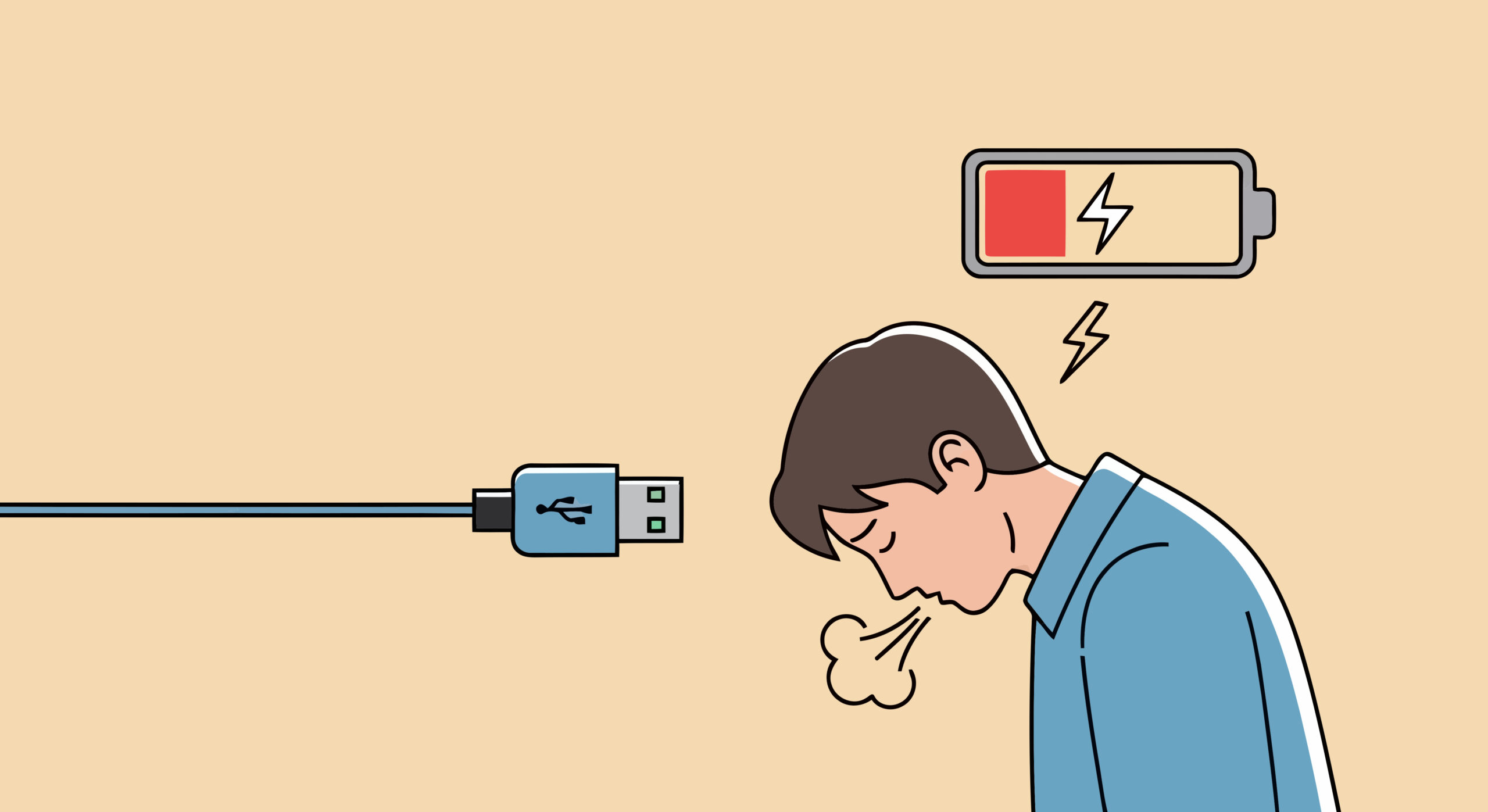
Challenge 1: No Time, No Time
This is a twofold challenge. Firstly, teachers simply can’t afford to give up any rehearsal time. Every minute counts in performance. Kids need to practice as much as possible to learn the performance piece. And, secondly, if they did manage to carve out a little time to teach theory, there’s the marking time. Often, it’s just not feasible to be marking theory sheets with so many students. We’ve heard tales of teachers bogged down with all the grading, which can add up to hours and hours every week.
Teachers need an online music theory program that enables kids to learn outside the class, or an in-class solution that leverages quick drills that build rapid response to theory concepts. When it comes to the rehearsal setting, practice time needs to be focussed and productive. So, any theory has to be fast to allow for the maximum amount of time spent on performance and no weekends spent on marking.
Challenge 2: No Consistent Journey
Across the nation, teachers are challenged for effective music theory resources, and often grab a little bit of theory from here, and a little bit from there (from online to homemade). It’s often a kaleidoscope of things that may address a concept, but don’t work together as a cohesive whole. Learning becomes fragmented and disparate.
In order to support consistent and effective learning, a music theory program must include a complete curriculum that is scaffolded in nature. This means there are no gaps, and each concept builds on the previous one, and is aligned to national and state/provincial standards. This smaller, easier to digest one-concept-at-a-time approach builds student confidence, something that is so essential to the success of your performance program. Ideally, it’s a solution that can be used between feeder schools or across a district, going a long way towards ensuring consistency.
Challenge 3: Varying Levels of Musical Knowledge
The students that come into band, orchestra and choral programs have quite diverse musical backgrounds. Some may have little-to-no music theory knowledge while others might be more advanced. It’s a tricky balance to get everyone on the same page without boring the advanced kids to tears.
If the less experienced kids don’t have the knowledge, trying to get up to speed can be super-stressful. Some kids simply crash and burn because they don’t have a foundational knowledge. And, for more advanced kids, you don’t want to hold them back. It’s essential that they continue to move forward, learning new concepts. For a music theory program to be effective, it must address the issue of differentiated learning needs.
And, because you can’t measure what you can’t see, we’ve seen firsthand how critical it is to have full visibility into how students are doing. Teacher dashboards showing student progress and drill scores provide data at the teacher’s fingertips so you know where to step in and lend a helping hand.
Challenge 4: Student Accountability
Kids don’t always take ownership when it comes to learning theory. It can be seen as something that is “taught to them” rather than “learning that is actively pursued.” And, when a theory lesson is taught one week, and not marked until the following week, it can create a disconnect between the lesson and the learning, chipping away at ownership.
The ability to work autonomously and get instant feedback is so vital to creating a sense of ownership. When kids begin a new lesson, it’s important that they know what is expected of them and they are able to track their own growth towards a clear objective. A method that motivates kids to achieve mastery and then the ability to perfect drills until they are happy with their results gives students a sense of control over their learning. This type of student-directed learning gives kids the ability to make decisions, work independently and reach their full music potential.
Challenge 5: Student Interest in Learning Music Theory
Let’s be honest, kids rarely cheer at the thought of learning theory. It can easily be perceived as boring, tedious and totally uncool — and, if paper-based, completely out of step with how they want to learn. For any music theory program to be successful, it has to be fun and engaging or students will tune out.
Games and incentives can go a long way in adding a fun factor. But don’t forget we are dealing with “digital natives,” tech-savvy kids who have grown up in a world that is constantly connected and online. They want technology to work for them, and expect to have the same kind of continuous experience they have elsewhere online. If they work on a lesson on their phone on the way to school, and then log in on the school Chromebook, they should be able to instantly and seamlessly pick up where they left off.
The Ripple Effect of Successful Students
In March of this year, Holy Trinity Episcopal Academy (FL) music students submitted the 4 millionth Breezin’ Thru Theory drill ever. Between the very first drill and this milestone event, we’ve learned a few things along the way. When music theory is integrated well in a way that is fun and engaging, and doesn’t eat up valuable rehearsal time, kids will sound better faster. When kids sound better faster, it creates a palpable excitement and can help grow a school’s music program.
We also know that the transferrable skills kids learn through music, like the ability to think both creatively and analytically, take responsibility and work collaboratively are some of the best ways we can equip students for life.
Jean McKen, B.Mus, B.Ed, M.S.(Music Technology), is a former classroom music teacher who has built many successful band, choral, orchestra and music technology programs ranging from 4th grade through to the university level. She is also the co-founder of Breezin’ Thru, which offers both a music theory and composition program that are accessed seamlessly online – on any device, anytime, anywhere. Specifically designed for performance programs, Breezin’ Thru unique, interactive approach builds self-confidence and makes learning to read and understand music a snap.
You may also like:
 Seamless Classroom Integration of National Standards & Cutting-Edge Music Technology
 Beyond the Repertoire: A Well-Rounded Performance Program
 2012 ’50 Directors Who Make a Difference’ Report
 What We Know About Teaching Music Theory from 4 Million Drills
 SBO Presents The 19th Annual 50 Directors Who Make A Difference