




• Latest
  • Trending
Reflections by Dr. Harry Begian By Dr. Richard Johnson

Reflections by Dr. Harry Begian By Dr. Richard Johnson

August 15, 2025
UpClose-4

UpClose-4

February 14, 2026
UpClose-1

UpClose-1

February 13, 2026
Perspective

Perspective

February 12, 2026
Headlines

Headlines

February 12, 2026
Teachers’ Choice Winners at the NAMM Show

Teachers’ Choice Winners at the NAMM Show

February 7, 2026
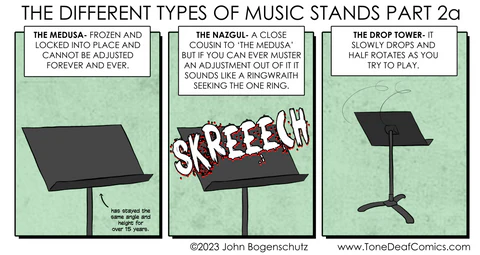
Tone deaf – Decibel Scale

Tone deaf – Decibel Scale

January 29, 2026
Playing with Intent: The Missing Link Between Practice and Confidence

Playing with Intent: The Missing Link Between Practice and Confidence

January 27, 2026
French Versus German? The Over/Under on Double Bass Bow Holds

French Versus German? The Over/Under on Double Bass Bow Holds

January 26, 2026
New Products – January 2026

New Products – January 2026

January 23, 2026
Minute Clinic – STUDENT CONDUCTORS

Minute Clinic – STUDENT CONDUCTORS

January 23, 2026
Top Music Education Titles for 2025

Top Music Education Titles for 2025

January 21, 2026
You Can Help Shape a Bold Future

You Can Help Shape a Bold Future

January 20, 2026
Saturday, February 14, 2026
  • Contact
SBO+
  • Advertise
  • Subscribe Free!
    • Manage Subscription
  • Departments
    • Choral
    • String Section
      • String Section
    • Concert Band
    • Modern Band
      • Mariachi
    • Orchestra
    • Instruments
      • Woodwinds
        • Wind Talkers
      • Percussion
        • GoodVibes
      • Repertoire
      • Playing Tips
    • Marching Band
    • Resources
      • Fundraising
    • Jazz
    • Brass
    • General Music
    • Advocacy
      • NAfME Neighborhood
      • MAC Corner
      • MusicEd: Mentor Minute
    • Commentary
      • Bubbett’s Bookshelf
      • Leadership Tips
      • Perspective
      • InService
        • America’s Bandmasters
        • America’s Musicians
      • Tone Deaf Comics
    • Features
    • News
      • Headlines
  • Current Issue
    • Past Issues
  • Support
  • Awards/Entries
    • 50 Teachers Who Make a Difference
    • Teachers’ Choice Awards
No Result
View All Result
  • Advertise
  • Subscribe Free!
    • Manage Subscription
  • Departments
    • Choral
    • String Section
      • String Section
    • Concert Band
    • Modern Band
      • Mariachi
    • Orchestra
    • Instruments
      • Woodwinds
        • Wind Talkers
      • Percussion
        • GoodVibes
      • Repertoire
      • Playing Tips
    • Marching Band
    • Resources
      • Fundraising
    • Jazz
    • Brass
    • General Music
    • Advocacy
      • NAfME Neighborhood
      • MAC Corner
      • MusicEd: Mentor Minute
    • Commentary
      • Bubbett’s Bookshelf
      • Leadership Tips
      • Perspective
      • InService
        • America’s Bandmasters
        • America’s Musicians
      • Tone Deaf Comics
    • Features
    • News
      • Headlines
  • Current Issue
    • Past Issues
  • Support
  • Awards/Entries
    • 50 Teachers Who Make a Difference
    • Teachers’ Choice Awards
No Result
View All Result
SBO+
No Result
View All Result

Reflections by Dr. Harry Begian By Dr. Richard Johnson

bySBO Staff
August 15, 2025
in August 2025, Commentary
0
Reflections by Dr. Harry Begian By Dr. Richard Johnson
Share on Facebook
ADVERTISEMENT

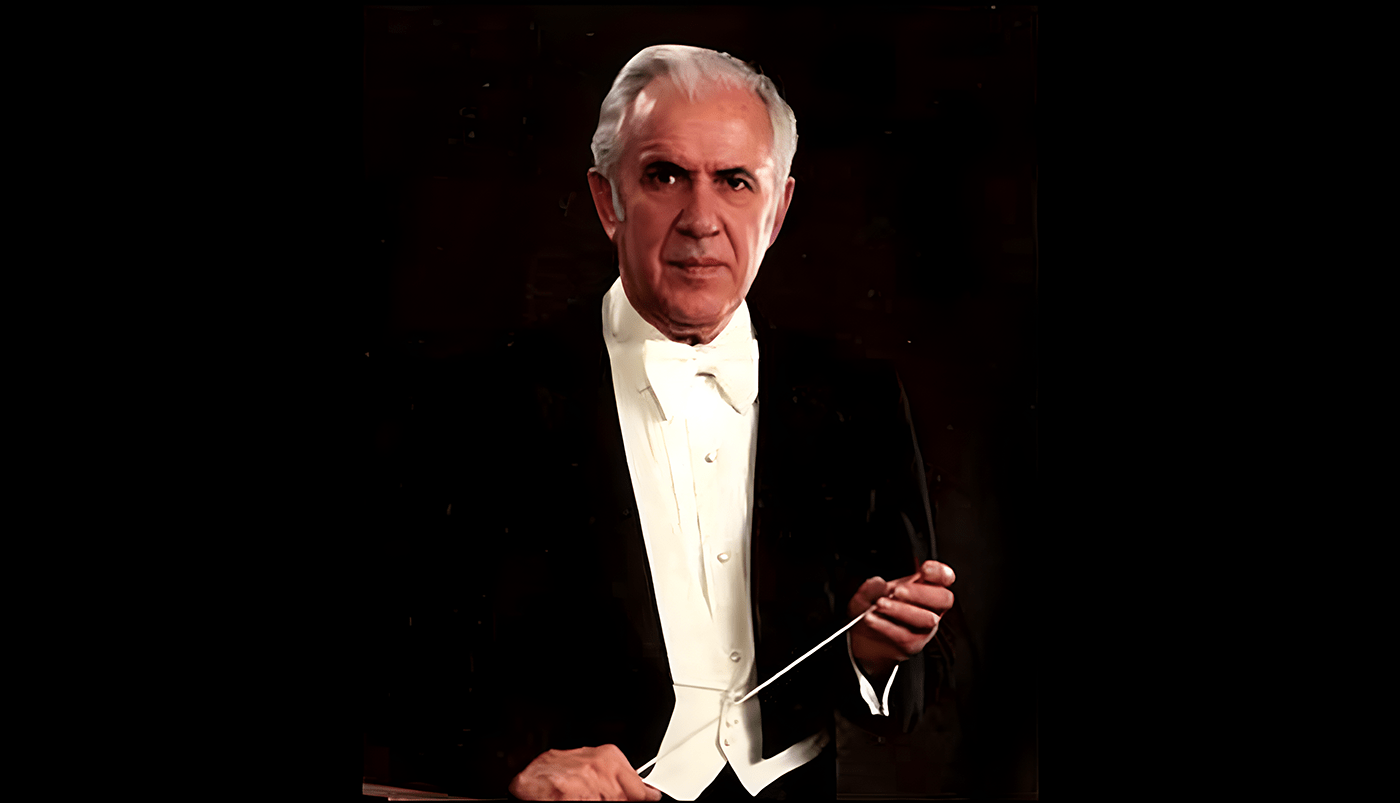
This series of three articles is excerpted from the 1991 dissertation, “Program Trends of the Michigan State University Bands1967 to 1988” by Dr. Richard Johnson. Four historically prominent conductors followed the legendary Leonard Falcone after 1967 – Dr. Harry Begian, Kenneth G. Bloomquist, Stanley DeRusha, and Eugene Corporon. These excerpted articles reflect the thoughts of Dr. Begian about the wind ensemble movement and programming music for bands. These are as relevant today as they were decades ago. Enjoy!

Better music must be written for the wind band medium, good music – music of quality. The conductors just get away from the view of only playing what THEY want to play while ignoring their players and audiences. That’s no way for musicians to ever conceive programming. We must keep the audience in mind. What some conductors are trying to do is change the audience’s listening habits by fostering only one type of music on them. This is intolerable and chases audiences away. We shouldn’t do that with a musical audience – that’s bad programming, as well as a bad philosophy. The other thing I have always believed is that the audiences are much more intelligent than most conductors (particularly “wind ensemble” conductors) give them credit for being. Audiences can recognize quality in music and recognize sincere music without having had it explained to them. They can recognize poorly crafted music or a poorly prepared performance as well. I think a musical audience is there to listen to good music performed well. They are there to be entertained with a capital “E.”  They are not there to be educated or to have something forced upon them because the conductor says, “this is good for you; this is really good music because I say so.”  I don’t think we should treat a musical audience that way!!

What is showing up are the kind of concerts we’re hearing more and more of. Concerts are returning to an earlier time in this century when bands had standing room only audiences when you have a replication of a Sousa-type band concert. That should tell the wind ensemble conductors something. The message just doesn’t seem to get through. If band conductors read the Philip Hart book on the new conductors, Conductors: a New Generation, they might learn something about programming. There is something that comes out very clearly and is very significant for wind ensemble conductors and band conductors – all conductors. The prominent orchestra conductors of this generation all play standard repertoire! You see, they HAVE to play to audiences and have to get those people in the door to hear the concert. Otherwise, they don’t have any work and there is no need for symphony orchestra concerts or operatic performances. Anyway, wind ensembles have to play better music, they have got to regard their audience, and they have got to program with the audience and players in mind!

ADVERTISEMENT

I was very curious about the wind ensemble when the idea was first introduced by Frederick Fennell. Like most band conductors, I was curious about any “new” trends in the band medium. Now here was a new trend which I had to try. The longer I tried working with a wind ensemble, the less I liked it. For these reasons: First, that kind of instrumentation cannot produce the sonority and quality of tone that one can get from a larger group such as a concert/symphonic band. Secondly, I have not heard a wind ensemble with a truly balanced ensemble sound except for the Netherlands Wind Ensemble. I don’t especially care for the lean sonority. I appreciated the fine quality of the individual players in the Eastman Wind Ensemble. That is the most impressive thing about the Eastman Wind Ensemble recordings. Other than that, those recordings were unimpressive to me because of their lack of sonority, poor balance, and tempos. It seems that wind ensemble conductors, by and large, have never considered BALANCE for that kind of instrumentation. To me, the wind ensemble instrumentation, if I put it into simple terms, is no more than a regimental band; almost the same instrumentation as a regimental band that is capable of good technical quality and a high level of musical accuracy. The one thing that is absent from most wind ensembles that I’ve heard (except the Netherlands’) is the seeming lack of expression. This may be attributed to the music played since very little of it seems to make expressive demands on players. The main interest seems to be how high, how low, how fast, how technically rapid and facile, but I haven’t heard very much played that calls for expressivity. If we can’t teach players and music students something about the expressive qualities of music, we’ve taught them nothing! We’ve taught them technique, we’ve taught them facility, how to read, but we haven’t taught them anything about the most important thing that the music has,…the thing that makes music unique, its ability to express through musical sound. It’s that unique ability to convey expressivity through musical sound.

ADVERTISEMENT

SBO+ Editor: Harry Begian had a huge influence on myself and many others. From high school to universities to premier military bands, NO ONE could get more music out of an ensemble that Dr. Begian. Read more in future issues of SBO+.

Dr. Richard Johnson

ADVERTISEMENT

You may also like:

The 22nd Annual 50 Directors Who Make a Difference SBO Presents The 19th Annual 50 Directors Who Make A Difference SBO Presents the 21st Annual 50 Directors Who Make a Difference The 23rd 50 Directors Who Make a Difference Report 2013 ’50 Directors Who Make a Difference’ Report
ADVERTISEMENT
Previous Post

The Power of Partnerships: University, Communities, and Schools By Christopher M. Baumgartner

Next Post

Ten Teaching Behaviors That Make a Difference By Dr. Charles T. Menghini

Next Post
Ten Teaching Behaviors That Make a Difference By Dr. Charles T. Menghini

Ten Teaching Behaviors That Make a Difference By Dr. Charles T. Menghini

Please login to join discussion
ADVERTISEMENT
  • January 2026

    Articles | Digital Issue
  • December 2025

    Articles | Digital Issue
  • November 2025

    Articles | Digital Issue
  • October 2025

    Articles | Digital Issue
  • September 2025

    Articles | Digital Issue
© 2005 - 2026 artistpro, LLC
7012 City Center Way, Suite 207
Fairview, Tennessee 37062
(800) 682-8114

No Result
View All Result
  • Advertise
  • Subscribe Free!
    • Manage Subscription
  • Departments
    • Choral
    • String Section
      • String Section
    • Concert Band
    • Modern Band
      • Mariachi
    • Orchestra
    • Instruments
      • Woodwinds
      • Percussion
      • Repertoire
      • Playing Tips
    • Marching Band
    • Resources
      • Fundraising
    • Jazz
    • Brass
    • General Music
    • Advocacy
      • NAfME Neighborhood
      • MAC Corner
      • MusicEd: Mentor Minute
    • Commentary
      • Bubbett’s Bookshelf
      • Leadership Tips
      • Perspective
      • InService
      • Tone Deaf Comics
    • Features
    • News
      • Headlines
  • Current Issue
    • Past Issues
  • Support
  • Awards/Entries
    • 50 Teachers Who Make a Difference
    • Teachers’ Choice Awards

© 2005 - 2024 artistpro, LLC 7012 City Center Way, Suite 207 Fairview, Tennessee 37062 (800) 682-8114

Wenger Transcend Ad
Wenger Transcend Ad