





In the evolving landscape of the music industry, fostering participation requires more than just promoting products; it necessitates the creation of a robust ecosystem that supports collaboration among musicians, repair technicians, product specialists, and educators. Drawing inspiration from Greg Horowitt’s book *The Rainforest: How to Build the Next Silicon Valley*, it becomes evident that nurturing a healthy ecosystem can lead to increased engagement and participation, ultimately strengthening the industry. We will explore how building an ecosystem can enhance participation in the music industry, empowering individuals and organizations alike.
Understanding the Ecosystem Concept
Horowitt describes a thriving ecosystem as a dynamic, interconnected environment akin to a rainforest. In this context, the various components—musicians, manufacturers, dealers, educators, and repair specialists—interact in ways that enhance their collective success. Developing these relationships can spur community involvement, innovation, and a shared love for music.
Fostering Collaboration for Collective Success
Central to a vibrant ecosystem is collaboration. By encouraging musicians to engage with repair technicians and product specialists, we create pathways for knowledge sharing and skill development. Collaborative environments not only foster a sense of community but also empower individuals to contribute to our shared passion for music.
Example: Community music programs that involve local repair technicians can illustrate this principle. When musicians are educated about the importance of instrument maintenance and repair, they are more likely to develop a lasting relationship with repair specialists. Additionally, this collaboration can lead to workshops focusing on instrument care, where participants gain hands-on experience while fostering a greater interest in music.
Enhancing the Role of Repair Technicians
Repair technicians play a critical role in the music ecosystem. By involving them in community programs, we can elevate their status from mere service providers to integral contributors to the musical experience. This collaboration enriches the entire community and enhances engagement.
Example: Programs that train amateur musicians in basic repair techniques create a greater appreciation for their instruments. When musicians understand how to care for their tools, they are more likely to stay engaged with their craft—and this could easily lead to a stronger demand for professional repair services. For instance, repair workshops that allow musicians to repair their instruments under expert guidance can spark curiosity and pride in both their skills and the instruments they use.
Expanding Engagement Through Product Specialists
Product specialists, who deeply understand both the products and the needs of musicians, serve as bridges between manufacturers and the musical community. By engaging product specialists in education and outreach initiatives, we can create deeper connections with aspiring musicians and hobbyists.
Example: Brands like Yamaha and Conn Selmer often host clinics and workshops led by product specialists. These sessions not only demonstrate instruments’ capabilities but also foster community engagement. By creating opportunities for musicians to interact with experts who can teach them complementary skills—such as improvisation or composition—these brands cultivate a loyal customer base and enthusiastic participation in music.
Cross-Pollination of Ideas and Skills
A healthy ecosystem thrives on the cross-pollination of ideas across its members. Encouraging collaborations between musicians, educators, and repair technicians can lead to innovative approaches that broaden participation and engagement with music.
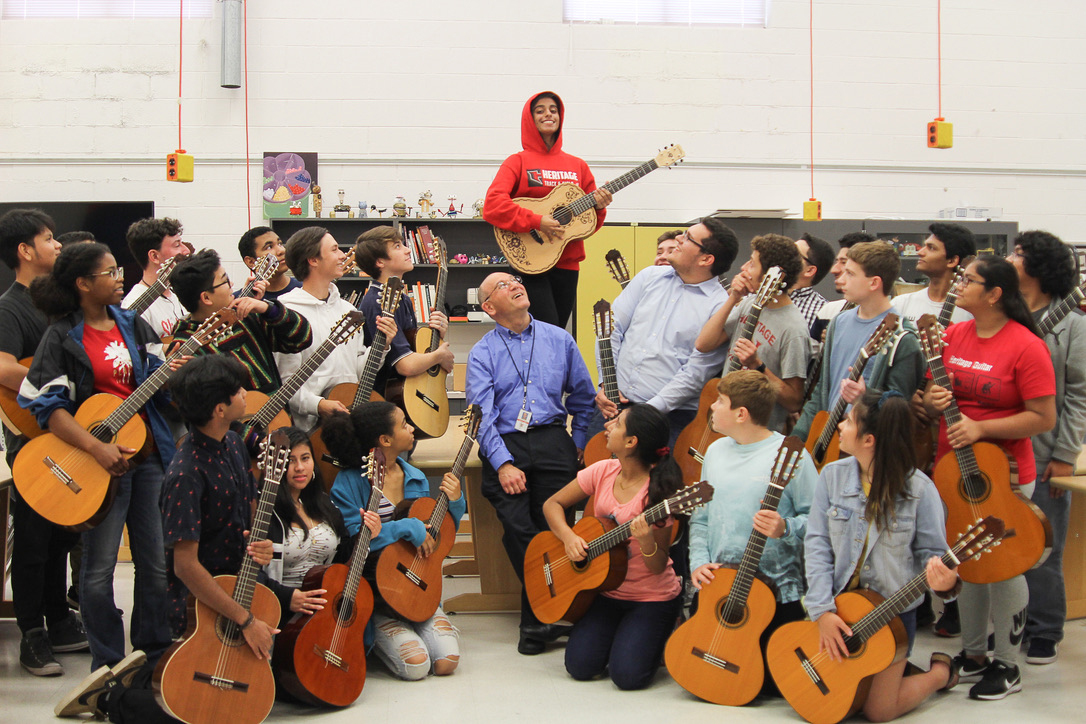
Example: Educational institutions that partner with local music shops can be invaluable. For instance, a school’s music program might collaborate with a local shop to offer students workshops on both playing and maintaining instruments. This multifaceted approach enhances student learning, enriches their experience, and encourages more students to join the music community, providing them with both technical skills and performance opportunities.
Nurturing a Love for Music
Building an ecosystem that nurtures a love for music involves creating spaces where new and experienced musicians can thrive. Programs that promote mentorship among seasoned musicians and newcomers contribute significantly to a culture of participation.
Example: Initiatives such as “Music Buddy Programs,” where experienced musicians mentor those new to playing, foster an inclusive atmosphere and encourage participation. Additionally, incorporating repair technicians into these programs can provide mentees with valuable insights on maintaining and caring for their instruments, further enriching their musical journey.
Emphasizing Inclusivity and Diversity
To foster a thriving music ecosystem, it is crucial to prioritize inclusivity and diversity. Encouraging participation among underrepresented communities can lead to richer musical expressions and broaden participation in the industry overall.
Example: Programs designed to bring music education to underserved communities can make a significant impact. For instance, organizations that provide free or reduced-cost instruments and lessons can empower young people to engage with music. By involving local repair personnel in these initiatives—offering repair clinics alongside music lessons—it helps build a comprehensive framework that promotes sustained engagement with instruments.
Conclusion
Building a strong ecosystem in the music industry is essential for encouraging participation and fostering a vibrant community of musicians. By prioritizing collaboration among musicians, repair technicians, and product specialists, we can create a rich environment that enhances individual connections and nurtures a love for music. Embracing the principles laid out in Greg Horowitt’s “The Rainforest” will help us cultivate an engaged and supportive musical community, leading to a flourishing ecosystem where passion for music thrives and participation flourishes.