




 Technology has made it easier than ever before for students to create their own music. Whether using notation, loops, Midi sequencing, or recording, any child can create and share a tangible musical creation in minutes. Where does this fit into your music education curriculum? Does creation only exist as part of general music, or a theory class, or in a music technology lab? Or is music creation an essential component in all music courses at any level? Let’s explore two reasons why all students should consistently engage in active music creation:
- Students should understand the passion and process that occurs long before notes are printed on paper.
In a performance ensemble, we work diligently to perfect every phrase, adhere to every marking, and bring the ink back into the world in which it was conceived. Are your students playing a fortissimo because the page says so, because you told them to circle it and play louder, or because they understand that one simple marking represents the composer’s intent and is specifically placed in a measure to help shape the music? Having students create their own music provides a foundation for understanding the elements of music.
- Students should be life-long musicians and musical advocates.
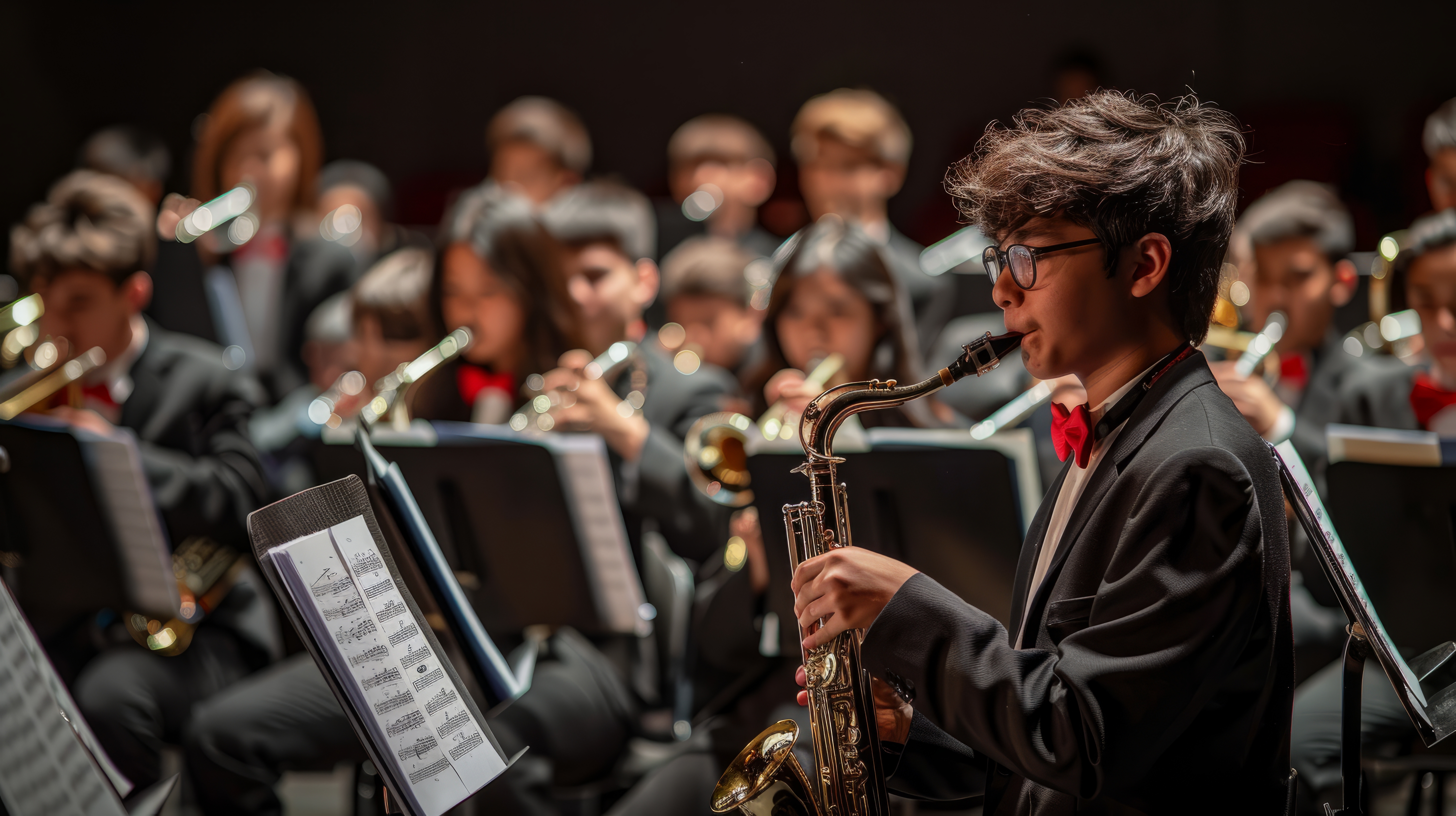
When students graduate high school how many continue playing their instruments? After college, how many then still play? Learning to play an instrument at the highest level possible in an invaluable experience; but also, what musical skills do students take into adulthood long after they leave the band or orchestra? I find it impossible to go through a single day without hearing music, and so many people barely notice how music is woven through the fabric of society. Does a student leave your music program thinking they learned to play trumpet, or did they use that trumpet as an instrument to better understand how music relates to humanity, history, and their own emotions? Composition helps draw parallels to history, society, and culture.
Imagine if every beginning music student immediately composed their very own piece of music using Notefight and shared it with the class. This piece can use only their first three notes and be just eight measures long, but should include dynamics, articulations, and most importantly have a story behind the composition. This simple lesson will transform rehearsals, because the next time that student is asked to play the slurs, or the accents, or the mezzo-piano marked in their concert music, they will better understand why these markings exist. Draw comparisons to their compositions and ask why their markings were important, then talk about how the composer’s markings in the concert music are equally important. Ask about their own piece’s key signatures when they play wrong notes in class. Instead of circling the key and writing in that pesky Bb every time, use creation assignments to help gain a better understanding of why performers should be respectful of the key signature, because the composer carefully selected those pitches. Connect concert repertoire to history and society through students’ own connections to their compositions.
There is always time for creation, and the key is consistent, active engagement. Composition can exist using notation such as Noteflight, Notion, or Sibelius, or by using digital audio workstations such as GarageBand, Soundation, or Soundtrap. The key is to integrate simple creation lessons in parallel to performance study. A composition exercise can be very effective with only a few measures, and we do not have to teach a semester of theory before beginning a creation assignment. Technology allows for students to experiment with sounds instantly and provides a tool for active music creation that leads to so many teachable moments on the fundamentals of music. In order to provide a comprehensive musical experience to our tech-savvy students in the 21st century, creation is key.
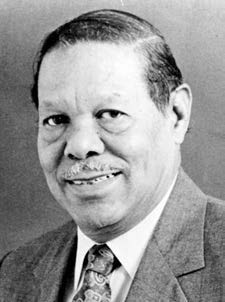
John Mlynczak is president-elect of the Technology Institute for Music Educators, director of Educational Technology for Noteflight, A Hal Leonard Company, and a frequent clinician on music and technology at conferences and school districts across the country.