







• Latest
  • Trending

Asking Facebook Colleagues What Enhances Choral Sound

November 7, 2024
Tone deaf – Decibel Scale

Tone deaf – Decibel Scale

January 29, 2026
Playing with Intent: The Missing Link Between Practice and Confidence

Playing with Intent: The Missing Link Between Practice and Confidence

January 27, 2026
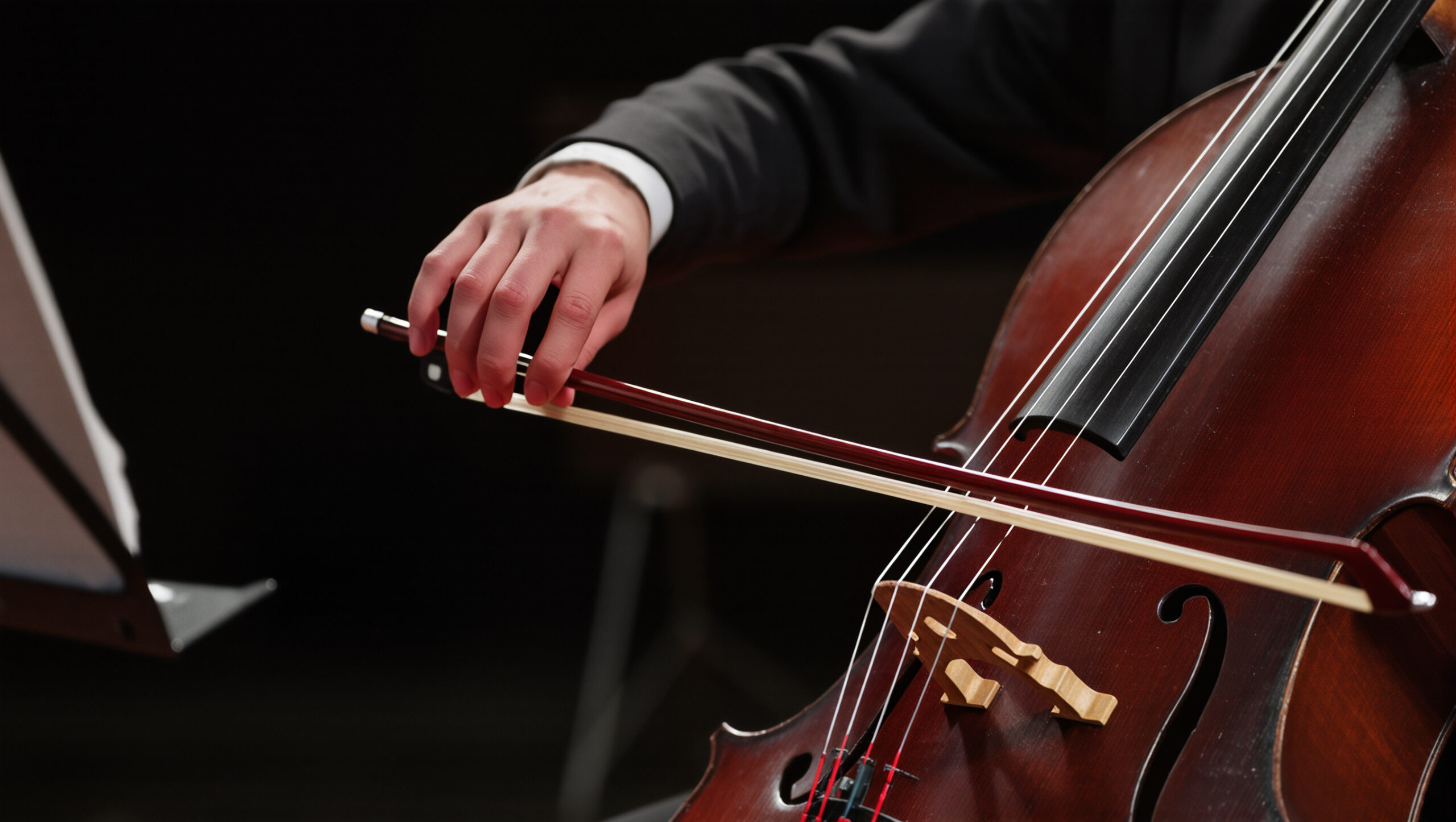
French Versus German? The Over/Under on Double Bass Bow Holds

French Versus German? The Over/Under on Double Bass Bow Holds

January 26, 2026
New Products – January 2026

New Products – January 2026

January 23, 2026
Minute Clinic – STUDENT CONDUCTORS

Minute Clinic – STUDENT CONDUCTORS

January 23, 2026
Top Music Education Titles for 2025

Top Music Education Titles for 2025

January 21, 2026
You Can Help Shape a Bold Future

You Can Help Shape a Bold Future

January 20, 2026
An Interview with Jeff Moore About Ralph Hardimon (Santa Clara Vanguard) and ‘Musica Boema”

An Interview with Jeff Moore About Ralph Hardimon (Santa Clara Vanguard) and ‘Musica Boema”

January 19, 2026
Step Up to 2026

Step Up to 2026

January 16, 2026
Principles for Building Stronger Classroom Systems

Principles for Building Stronger Classroom Systems

January 15, 2026
All the Small Moments

All the Small Moments

February 2, 2026
Ask a Conductor

Ask a Conductor

January 13, 2026
Friday, February 6, 2026
  • Contact
SBO+
  • Advertise
  • Subscribe Free!
    • Manage Subscription
  • Departments
    • Choral
    • String Section
      • String Section
    • Concert Band
    • Modern Band
      • Mariachi
    • Orchestra
    • Instruments
      • Woodwinds
        • Wind Talkers
      • Percussion
        • GoodVibes
      • Repertoire
      • Playing Tips
    • Marching Band
    • Resources
      • Fundraising
    • Jazz
    • Brass
    • General Music
    • Advocacy
      • NAfME Neighborhood
      • MAC Corner
      • MusicEd: Mentor Minute
    • Commentary
      • Bubbett’s Bookshelf
      • Leadership Tips
      • Perspective
      • InService
        • America’s Bandmasters
        • America’s Musicians
      • Tone Deaf Comics
    • Features
    • News
      • Headlines
  • Current Issue
    • Past Issues
  • Support
  • Awards/Entries
    • 50 Teachers Who Make a Difference
    • Teachers’ Choice Awards
No Result
View All Result
  • Advertise
  • Subscribe Free!
    • Manage Subscription
  • Departments
    • Choral
    • String Section
      • String Section
    • Concert Band
    • Modern Band
      • Mariachi
    • Orchestra
    • Instruments
      • Woodwinds
        • Wind Talkers
      • Percussion
        • GoodVibes
      • Repertoire
      • Playing Tips
    • Marching Band
    • Resources
      • Fundraising
    • Jazz
    • Brass
    • General Music
    • Advocacy
      • NAfME Neighborhood
      • MAC Corner
      • MusicEd: Mentor Minute
    • Commentary
      • Bubbett’s Bookshelf
      • Leadership Tips
      • Perspective
      • InService
        • America’s Bandmasters
        • America’s Musicians
      • Tone Deaf Comics
    • Features
    • News
      • Headlines
  • Current Issue
    • Past Issues
  • Support
  • Awards/Entries
    • 50 Teachers Who Make a Difference
    • Teachers’ Choice Awards
No Result
View All Result
SBO+
No Result
View All Result

Asking Facebook Colleagues What Enhances Choral Sound

byDerrick ThompsonandSBO Staff
November 7, 2024
in November 2024, Archives, Choral
0

A diverse choir of young people showcasing their vocal talents in unison

Share on Facebook
ADVERTISEMENT

Reprinted from ChorTeach with permission of ACDA

From year to year, many choral conductors have their choir participate in festivals, district assessments, and other adjudications to receive feedback on what can be improved in their choral ensemble. Often, the conductor receives notes that will benefit the group, and sometimes students receive feedback from adjudicators that their choral conductor alluded to previously. The benefit of attending these events for the students and the choral conductor is having the opportunity to receive feedback from someone who doesn’t normally hear the group and having the opportunity to listen to other choral groups from the area or district. After attending these choral events, students have conversations about the choral groups that performed. They tend to ask the question, “How does that choir create such an amazing choral sound?” Or after reviewing feedback from adjudicators, many singers try to take the notes offered to help improve their next performance.

During the school year, conductors introduce many methods and approaches to help their students recognize the importance of proper singing technique and singing together as a group. These approaches can be presented through warm-ups, the repertoire chosen, or by listening to other high-quality performing ensembles. But the question is, what does choral and vocal pedagogy look and feel like, in action, in the classroom? What are we choral directors doing to enhance the sound of their choir and help our singers grow? Available literature indicates that choral conductors’ ideas (and singers’ ideas) about a “great sounding choir” can vary depending on the perspectives of those individuals. Donald Neuen considers a great sounding choir to be one that uses energy, which includes buoyancy, deliberately formed vowel sounds, proper placement, and vocal control.

ADVERTISEMENT

In Walter Lamble’s Handbook for Beginning Choral Educators, the author asked eleven participants to describe the tone quality they felt was appropriate for a high school choir. Some of the responses included:

• Having the ability to sing with “cleanliness,” intonation, matched vowels, and a moderately mature tone.

• Having a naturally sounding vocal production with good resonance and breath support.

• Being open and free, natural and easy, supported and energized, flowing, focused and directed, and more vertically than laterally.

ADVERTISEMENT

• Being well blended, including dynamic color and variety.

Ultimately, it is up to the choral conductor to make sure his or her students can identify a great choral sound when they hear it and understand how they can achieve that sound within their choral group. I do believe it takes good planning, creativity, the right tools, and hard work to achieve the sound we are looking for with our choirs.

Pilot Study

To receive feedback from choral conductors currently in the field, a Facebook post compiled by choral colleagues was created (a closed group) asking the question, “What do you consider important characteristics of a great sounding choir?” Responses included:

• Diction

• Tall, round vowels

• Clean, balanced sound across the whole choir

• Engaged singing

• Varied and appropriate sound for different and interesting literature

• Pure, clear tone, unified vowels, and crisp consonants when appropriate

• Appropriate tone for age of the individuals

• Intonation, rhythm, phrasing, vowels, dynamics, diction, and energy

• Relaxed vowels, ending consonants together, understanding the text, and supported tones that blend

• Properly shaped mouths

• Vibrant, healthy (not forced), and balanced tone from top to bottom

• Vocally healthy, unified vowels, beauty of sound, and appropriate tone colors

ADVERTISEMENT

• Good intonation

• Unified vowels and a great understanding of dynamics

• Vitality/energy

• Tuneful, informed, and expressive singing

• Harmony (singing in tune with one another)

• The release of tension and complete freedom and movement causing singers’ bodies to be engaged in the music

Derrick Thompson taught for eight years in the Virginia school system, teaching elementary general music and conducting middle and high school choirs. He is currently the music program director and director of choral activities at Delaware State University.

ACDA.org

You may also like:

Report: 50 Directors SBO Presents the 21st Annual 50 Directors Who Make a Difference The 22nd Annual 50 Directors Who Make a Difference Our 24th Annual 50+ Directors Who Make a Difference SBO Presents The 19th Annual 50 Directors Who Make A Difference
ADVERTISEMENT
Previous Post

ARTICULATION: The Jazz Musician’s Best Friend

Next Post

High Performance Culture

Next Post

High Performance Culture

Please login to join discussion
ADVERTISEMENT
  • January 2026

    Articles | Digital Issue
  • December 2025

    Articles | Digital Issue
  • November 2025

    Articles | Digital Issue
  • October 2025

    Articles | Digital Issue
  • September 2025

    Articles | Digital Issue
© 2005 - 2026 artistpro, LLC
7012 City Center Way, Suite 207
Fairview, Tennessee 37062
(800) 682-8114

No Result
View All Result
  • Advertise
  • Subscribe Free!
    • Manage Subscription
  • Departments
    • Choral
    • String Section
      • String Section
    • Concert Band
    • Modern Band
      • Mariachi
    • Orchestra
    • Instruments
      • Woodwinds
      • Percussion
      • Repertoire
      • Playing Tips
    • Marching Band
    • Resources
      • Fundraising
    • Jazz
    • Brass
    • General Music
    • Advocacy
      • NAfME Neighborhood
      • MAC Corner
      • MusicEd: Mentor Minute
    • Commentary
      • Bubbett’s Bookshelf
      • Leadership Tips
      • Perspective
      • InService
      • Tone Deaf Comics
    • Features
    • News
      • Headlines
  • Current Issue
    • Past Issues
  • Support
  • Awards/Entries
    • 50 Teachers Who Make a Difference
    • Teachers’ Choice Awards

© 2005 - 2024 artistpro, LLC 7012 City Center Way, Suite 207 Fairview, Tennessee 37062 (800) 682-8114