




• Latest
  • Trending
End Note: The Great Suzuki Debate

End Note: The Great Suzuki Debate

November 19, 2013
Policy Paradox: Accountability in Arts Education

Policy Paradox: Accountability in Arts Education

June 17, 2026
Ten Commandments of Programming

Ten Commandments of Programming

June 15, 2026
ADVERTISEMENT
Closing This Chapter and Looking to the Next in Our Ensemble Programs

Closing This Chapter and Looking to the Next in Our Ensemble Programs

June 12, 2026
Teaching Theater Kids about the Importance of Correct Phrasing

Teaching Theater Kids about the Importance of Correct Phrasing

June 11, 2026
An Inspiring Story

An Inspiring Story

June 9, 2026
Headlines

Headlines

June 8, 2026
Add This to Your Bucket List

Add This to Your Bucket List

June 4, 2026
Breathe – Then Reinvent Yourself

Breathe – Then Reinvent Yourself

June 1, 2026
New Products

New Products

May 28, 2026
Translating Emotion to Expression: Five Strategies to Try

Translating Emotion to Expression: Five Strategies to Try

May 27, 2026
Sidney Harth’s Bowings for the Beethoven Symphonies 

Sidney Harth’s Bowings for the Beethoven Symphonies 

May 29, 2026
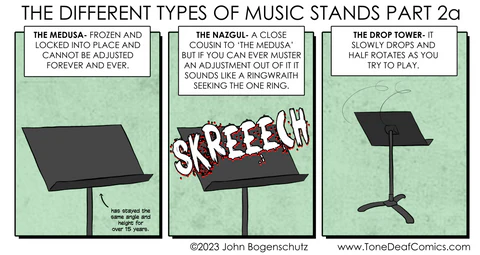
The Different Type of Music Stands – Part 2a

The Different Type of Music Stands – Part 2a

May 22, 2026
Friday, June 19, 2026
  • Contact
SBO+
  • Advertise
  • Subscribe Free!
    • Manage Subscription
  • Departments
    • Choral
    • String Section
      • String Section
    • Concert Band
    • Modern Band
      • Mariachi
    • Orchestra
    • Instruments
      • Woodwinds
        • Wind Talkers
      • Percussion
        • GoodVibes
      • Repertoire
      • Playing Tips
    • Marching Band
    • Resources
      • Fundraising
    • Jazz
    • Brass
    • General Music
    • Advocacy
      • NAfME Neighborhood
      • MAC Corner
      • MusicEd: Mentor Minute
    • Commentary
      • Bubbett’s Bookshelf
      • Leadership Tips
      • Perspective
      • InService
        • America’s Bandmasters
        • America’s Musicians
      • Tone Deaf Comics
    • Features
    • News
      • Headlines
  • Current Issue
    • Past Issues
  • Support
  • Awards/Entries
    • 50 Music Teachers who Make a Difference
    • Teachers’ Choice Awards Nominations
No Result
View All Result
  • Advertise
  • Subscribe Free!
    • Manage Subscription
  • Departments
    • Choral
    • String Section
      • String Section
    • Concert Band
    • Modern Band
      • Mariachi
    • Orchestra
    • Instruments
      • Woodwinds
        • Wind Talkers
      • Percussion
        • GoodVibes
      • Repertoire
      • Playing Tips
    • Marching Band
    • Resources
      • Fundraising
    • Jazz
    • Brass
    • General Music
    • Advocacy
      • NAfME Neighborhood
      • MAC Corner
      • MusicEd: Mentor Minute
    • Commentary
      • Bubbett’s Bookshelf
      • Leadership Tips
      • Perspective
      • InService
        • America’s Bandmasters
        • America’s Musicians
      • Tone Deaf Comics
    • Features
    • News
      • Headlines
  • Current Issue
    • Past Issues
  • Support
  • Awards/Entries
    • 50 Music Teachers who Make a Difference
    • Teachers’ Choice Awards Nominations
No Result
View All Result
SBO+
No Result
View All Result

End Note: The Great Suzuki Debate

November 19, 2013
byMike Lawson
in Commentary
Share on Facebook
Randall Standridge Music
ADVERTISEMENT
By SBO+ Staff

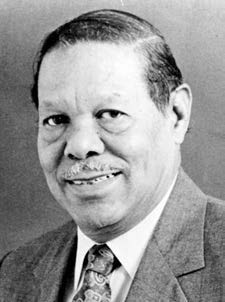
Shinichi Suzuki
As SBO readers will have noticed by now, this publication recently began running a column, “String Section,” authored by renowned performer, clinician, and educator Mark O’Connor. While unquestionably one of the great innovators in string playing today, as well as an eloquent writer, O’Connor can be somewhat controversial, particularly regarding his unflagging criticism of the Suzuki method.

Hopefully some of the readers who responded to the String Section column’s debut with vitriol aimed at this publication will see that SBO has no interest in entangling itself in the debate about which instructional method is best – or worst, for that matter. SBO’s goal is to empower and support music educators through practical, accessible articles covering the array of topics that band and orchestra directors face throughout the school year. A discussion of the nature of string education, including how to prepare music students for success in a changing professional landscape, is relevant, but only in so far as it stays constructive. (And it bears mentioning that the String Section columns which have appeared in this publication have largely focused on positive examples of innovative performance and learning opportunities for young string players.)

My own view is that anything which fosters appreciation for music and encourages young music makers and parental involvement is a net positive. To those who would argue that point, it seems fairly obvious that the inevitable shortcomings of any method will be addressed by attentive educators, who continuously augment and tailor the latest books and pedagogy to their personal teaching philosophies and to meet their students’ needs.

While designed as an informative and relevant article on its own merits, the interview with Marilyn Kesler of the Suzuki Association of the Americas (SAA) was in part intended to give someone from within the Suzuki world a chance to respond directly to some of the criticisms that the popular string method has faced. Beyond chairing the Board of Directors for the SAA, Kesler has been a champion of music education for nearly a half a century. “Mama K,” as she was affectionately referred to by her students, retired from the Michigan Public Schools several years ago after 42 years in the classroom.

In the course of that interview, I couldn’t help but notice a parallel between something she said and some comments made by Tony Cox of Mt. Juliet High School in the November issue’s cover feature. Discussing the development of a band program capable of fitting in with other elite groups on the national stage, Tony mentions a “triad” of critical parts: “If you’re going to try to compete at the national level, it has to be a collective effort between the band parents, the kids, and the staff – it can’t be something that is just motivated by one part of that triad.” Cox goes on to say, “I don’t know how in the world we could do what we do without the parental support that we have. It would be impossible.”

Kesler, meanwhile, also spoke about the essential role played by parents in the process of teaching kids music, lauding their participation as one of the core elements that has made the Suzuki method so popular. “When teaching very young children, you must involve the parents,” she says. “The triangle between parent, child, and teacher develops strong bonds.” Later, Kesler mirrors Cox’s statement, noting: “Most music departments would not be able to function without parent support.”

Shin’ichi Suzuki did not invent the concept of parental involvement in a child’s music education, but that’s one facet of his educational philosophy that he most certainly got right.

You may also like:

UpFront Q&A: Marilyn Kesler, SAA Vote Now for 2014 Best Tools for Schools 2012 ’50 Directors Who Make a Difference’ Report SBO Presents The 19th Annual 50 Directors Who Make A Difference The 23rd 50 Directors Who Make a Difference Report
Bob Rogers Travel
ADVERTISEMENT
Sweetwater
ADVERTISEMENT

POPULAR STORY

  • New Products December 2025

    New Products December 2025

    1791 shares
    Share 716 Tweet 448
  • Holiday Gift Guide for Music Businesses: Tools to Boost Engagement and Growth

    1713 shares
    Share 685 Tweet 428
  • 50 Music Teachers Who Make a Difference

    1416 shares
    Share 566 Tweet 354
  • When Selecting New Choral Music, Choose Success

    1299 shares
    Share 520 Tweet 325
  • 2025 Teachers’ Choice Award Winners

    1186 shares
    Share 474 Tweet 297
Rovner
ADVERTISEMENT

SchoolMusic.Travel

No articles found.
Next Post
Percussion Performance: The Drum Stroke

Percussion Performance: The Drum Stroke

  • June 2026

    Articles | Digital Issue
  • May 2026

    Articles | Digital Issue
  • April 2026

    Articles | Digital Issue
  • March 2026

    Articles | Digital Issue
  • February 2026

    Articles | Digital Issue
© 2005 - 2026 artistpro, LLC
7012 City Center Way, Suite 207
Fairview, Tennessee 37062
(800) 682-8114

No Result
View All Result
  • Advertise
  • Subscribe Free!
    • Manage Subscription
  • Departments
    • Choral
    • String Section
      • String Section
    • Concert Band
    • Modern Band
      • Mariachi
    • Orchestra
    • Instruments
      • Woodwinds
      • Percussion
      • Repertoire
      • Playing Tips
    • Marching Band
    • Resources
      • Fundraising
    • Jazz
    • Brass
    • General Music
    • Advocacy
      • NAfME Neighborhood
      • MAC Corner
      • MusicEd: Mentor Minute
    • Commentary
      • Bubbett’s Bookshelf
      • Leadership Tips
      • Perspective
      • InService
      • Tone Deaf Comics
    • Features
    • News
      • Headlines
  • Current Issue
    • Past Issues
  • Support
  • Awards/Entries
    • 50 Music Teachers who Make a Difference
    • Teachers’ Choice Awards Nominations

© 2005 - 2024 artistpro, LLC 7012 City Center Way, Suite 207 Fairview, Tennessee 37062 (800) 682-8114

Wenger Transcend Ad
Wenger Transcend Ad