






• Latest
  • Trending
The 2014 Essay Contest Winners

Fearful Phonation

September 19, 2022
French Versus German? The Over/Under on Double Bass Bow Holds

French Versus German? The Over/Under on Double Bass Bow Holds

January 26, 2026
New Products – January 2026

New Products – January 2026

January 23, 2026
Rovner
Minute Clinic – STUDENT CONDUCTORS

Minute Clinic – STUDENT CONDUCTORS

January 23, 2026
Top Music Education Titles for 2025

Top Music Education Titles for 2025

January 21, 2026
You Can Help Shape a Bold Future

You Can Help Shape a Bold Future

January 20, 2026
An Interview with Jeff Moore About Ralph Hardimon (Santa Clara Vanguard) and ‘Musica Boema”

An Interview with Jeff Moore About Ralph Hardimon (Santa Clara Vanguard) and ‘Musica Boema”

January 19, 2026
Step Up to 2026

Step Up to 2026

January 16, 2026
Principles for Building Stronger Classroom Systems

Principles for Building Stronger Classroom Systems

January 15, 2026
All the Small Moments

All the Small Moments

January 14, 2026
Ask a Conductor

Ask a Conductor

January 13, 2026
Perspective January 2026

Perspective January 2026

January 12, 2026
Bands are NOT the Same. And that’s okay!

Bands are NOT the Same. And that’s okay!

January 9, 2026
Tuesday, January 27, 2026
  • Contact
SBO+
Yamaha Pro Audio
  • Subscribe Free!
    • Manage Subscription
  • Departments
    • Choral
    • String Section
      • String Section
    • Concert Band
    • Modern Band
      • Mariachi
    • Orchestra
    • Instruments
      • Woodwinds
        • Wind Talkers
      • Percussion
        • GoodVibes
      • Repertoire
      • Playing Tips
    • Marching Band
    • Resources
      • Fundraising
    • Jazz
    • Brass
    • General Music
    • Advocacy
      • NAfME Neighborhood
      • MAC Corner
      • MusicEd: Mentor Minute
    • Commentary
      • Bubbett’s Bookshelf
      • Leadership Tips
      • Perspective
      • InService
        • America’s Bandmasters
        • America’s Musicians
      • Tone Deaf Comics
    • Features
    • News
      • Headlines
  • Current Issue
    • Past Issues
  • Support
  • Awards/Entries
    • 50 Teachers Who Make a Difference
    • Teachers’ Choice Awards
  • Advertise
    • Email PR!
No Result
View All Result
  • Subscribe Free!
    • Manage Subscription
  • Departments
    • Choral
    • String Section
      • String Section
    • Concert Band
    • Modern Band
      • Mariachi
    • Orchestra
    • Instruments
      • Woodwinds
        • Wind Talkers
      • Percussion
        • GoodVibes
      • Repertoire
      • Playing Tips
    • Marching Band
    • Resources
      • Fundraising
    • Jazz
    • Brass
    • General Music
    • Advocacy
      • NAfME Neighborhood
      • MAC Corner
      • MusicEd: Mentor Minute
    • Commentary
      • Bubbett’s Bookshelf
      • Leadership Tips
      • Perspective
      • InService
        • America’s Bandmasters
        • America’s Musicians
      • Tone Deaf Comics
    • Features
    • News
      • Headlines
  • Current Issue
    • Past Issues
  • Support
  • Awards/Entries
    • 50 Teachers Who Make a Difference
    • Teachers’ Choice Awards
  • Advertise
    • Email PR!
No Result
View All Result
SBO+
No Result
View All Result

Fearful Phonation

bySBO Staff
September 19, 2022
in Archives, Choral, October 2016
0
The 2014 Essay Contest Winners

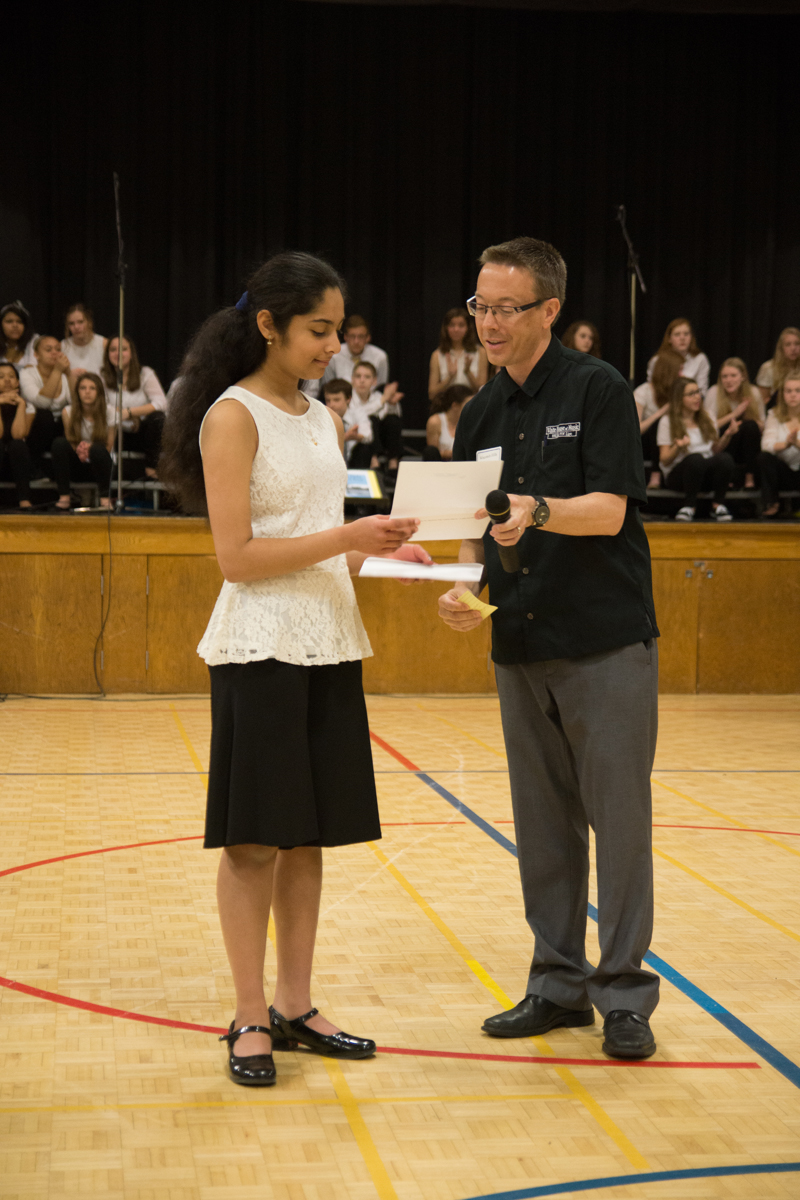
Contest winner Aparna Jayashankar receives her scholarship check from Chris White of White House of Music at a school assembly in Wisconsin Hills Middle School in Brookfield, Wisconsin.

Share on Facebook
ADVERTISEMENT

by Sharon Paquette Lose

tage-frightYou’ve prepared for the big day by learning every note on the page, lyrics locked away like the ABC’s, and every rehearsal attended—yet, you take your place on stage and the blinding lights call out your inner deer—you’re frozen. With a blank expression, you realize you’ve forgotten everything and you’re wondering how you’re going to get your paralyzed limbs moving again. Not to worry, we’ve got you covered.

Stress Response
Essentially the emotional state referred to as “stage fright” encompasses the body’s stress response system known as the “fight or flight” response. When the brain experiences an event that triggers this response, such as walking out to sing a solo in front of countless audience members, it begins to send signals to the autonomic nervous system (ANS). As suggested by its name, this part of our nervous system controls functions that are involuntary such as, when our heart beats faster. The ANS is made up of two parts; the sympathetic (fight or flight) and the parasympathetic (rest and digest) systems. In the case of stage fright the brain has sent out a signal that releases hormones through the body causing the heart to pound, muscles to tense, breathing to quicken, and sweat to show up. We feel anxiety, fear, distraction, lack of focus, and hyperawareness—accessing our memory for lyrics and melody in this state is less than ideal.

ADVERTISEMENT

How does tension effect phonation?
Muscular tension effects proper phonation in a myriad of ways. The act of singing involves laryngeal muscles and ligaments, the diaphragm, abdominal muscles, intercostal muscles, and throat, jaw, neck and tongue muscles. Stiffness and tension due to anxiety can create a host of vocal production problems including; sharpness or flatness in tone, a tight or weak tone quality, and even an inability to reach a particular note—the dreaded voice “crack.”

Parasympathetic System to the Rescue
The good news is there are some very simple techniques to access our own parasympathetic nervous systems, most of which I learned from my yoga teacher rather than my singing coach. Some of my favorite techniques to elicit relaxation in the body are “box breathing”, stretching, repetition of a calming word, and visualization.

Box breathing is a technique where you inhale for four beats, hold for four beats, exhale for four beats, hold for four beats, and repeat the sequence. You can trace the shape of a box with your finger in the air to remember which part of the pattern that you are on. I personally also like to count my exhalations out for six counts rather than four (more of a trapezoid than a box) which can add an extra sense of relaxation to the body by helping to slow down the heart rate.

ADVERTISEMENT

If you have a moment backstage, it is always a good idea to stretch the back, arms, legs, shoulders, and neck while breathing deeply. This sets the “rest and digest” system in motion in the brain and has the added benefit of distraction as you focus your attention on each muscle that is being stretched.
The calming word technique is akin to a mantra meditation. Choose a word that seems peaceful, such as “calm” and simply repeat it over and over in your mind. This can have the effect of detaching your mind from the situation at hand by helping to focus thoughts elsewhere.

Visualization works in the same manner as repetition of a word except in this technique you imagine yourself in a calm place and attempt to make it very vivid in color and detail so that your brain is tricked into responding as if you really are there. Another visualization that is particularly effective for me, is one where you imagine each part of your body from the toes up to the tip of the head relaxing one section at a time.

ADVERTISEMENT

Tips for staying calm
Some tips for staying calm for a performance are; be sure to get a healthy amount of sleep the night before, arrive early and become familiar with your surroundings, eat a healthy meal and include a banana as they have calming properties, and imagine yourself succeeding.

Stage fright can be debilitating for performers, especially for those who suffer with anxiety. The good news is, much of the physical responses that seem to come out of nowhere in these scary situations originate in the brain. We can work with our bodies and our thoughts by understanding how stress responses work and what the body needs to calm down. Don’t let a little fear hold you back from experiencing the joy of sharing your voice with the world, breathe deep and keep singing for many years to come.

You may also like:

An Introduction to Researching Music and the Brain Music for Anxiety Regulation: A New Role for Music Education in the Modern Classroom Three Tips To Improve The Tone Of Your Clarinet And Saxophone Students Musical Performance Anxiety Default ThumbnailRealTime Audio Box Pro Tested, and It Works!
ADVERTISEMENT
Previous Post

You Can Feel However You Want, But You Can’t Do Whatever You Want

Next Post

The 4 Practices

Next Post
Senator Chuck Schumer Re-Visits D’Addario Headquarters

Senator Chuck Schumer Re-Visits D’Addario Headquarters

Please login to join discussion
  • January 2026

    Articles | Digital Issue
  • December 2025

    Articles | Digital Issue
  • November 2025

    Articles | Digital Issue
  • October 2025

    Articles | Digital Issue
  • September 2025

    Articles | Digital Issue
© 2005 - 2026 artistpro, LLC
7012 City Center Way, Suite 207
Fairview, Tennessee 37062
(800) 682-8114

Wenger Endur Music Stand
No Result
View All Result
  • Subscribe Free!
    • Manage Subscription
  • Departments
    • Choral
    • String Section
      • String Section
    • Concert Band
    • Modern Band
      • Mariachi
    • Orchestra
    • Instruments
      • Woodwinds
      • Percussion
      • Repertoire
      • Playing Tips
    • Marching Band
    • Resources
      • Fundraising
    • Jazz
    • Brass
    • General Music
    • Advocacy
      • NAfME Neighborhood
      • MAC Corner
      • MusicEd: Mentor Minute
    • Commentary
      • Bubbett’s Bookshelf
      • Leadership Tips
      • Perspective
      • InService
      • Tone Deaf Comics
    • Features
    • News
      • Headlines
  • Current Issue
    • Past Issues
  • Support
  • Awards/Entries
    • 50 Teachers Who Make a Difference
    • Teachers’ Choice Awards
  • Advertise
    • Email PR!

© 2005 - 2024 artistpro, LLC 7012 City Center Way, Suite 207 Fairview, Tennessee 37062 (800) 682-8114