









Welcome to 2022! We are kicking off this year with a discussion on clarinet embouchures and mouthpiece selection with professional clarinetist and educator Kristine Dizon.
When choosing a mouthpiece, having a good clarinet embouchure is key to produce a beautiful sound on the clarinet. Bad embouchures often produce an unfocused, fuzzy sound that also leads to other technical problems with the instrument that can make it difficult to play.
 Clarinet Embouchure
The difficult part about teaching clarinet embouchure is that everyone has different sized lips, cavities, and teeth. It is important to remember these differences and to adapt your explanation according to the student’s physical characteristics. Use a mirror while teaching this to students so that they can understand which muscles are active and inactive when playing.
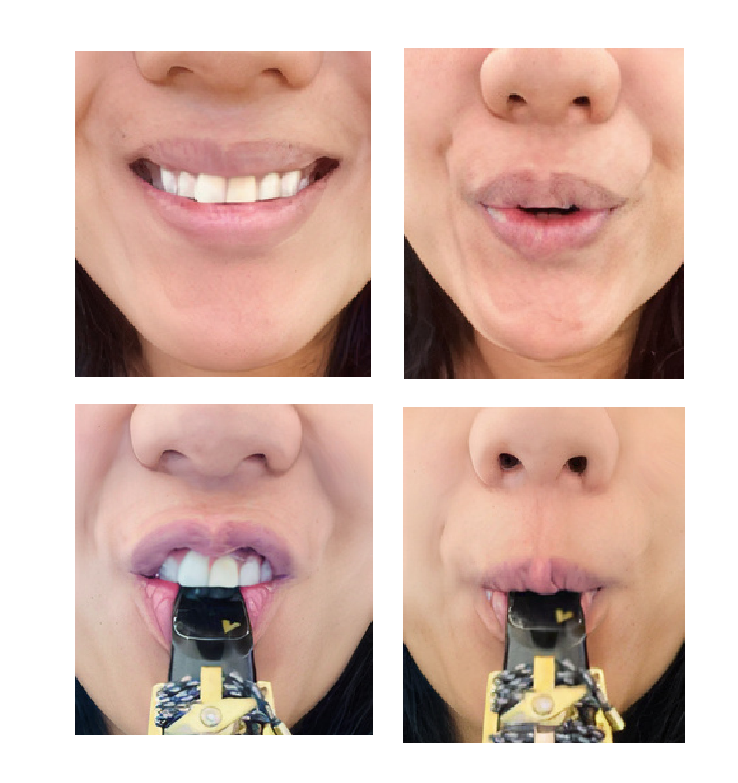
1. Begin with a genuine smile. Instruct the student to smile so that it shows their teeth. Make sure that it is not a half smile, and that the student is genuinely smiling and engaging the muscles surrounding their mouth. Genuine smiles engage the small muscles around their mouth used to forming an embouchure.
2. Pull the corners of the mouth in. This will further engage the chin muscles used in developing a clarinet embouchure. If done properly, the chin muscles should be flat and pointing down. A useful analogy is to think “flat as a table”. If you are able to balance a pencil on your chin, that means that you are engaging the small muscles for the clarinet embouchure.
3. Try your embouchure with the clarinet. Be sure to follow steps 1 and 2 before trying it with the clarinet.
4. Top teeth on top of mouthpiece. Take your front teeth and place them on top of the mouthpiece. Start by taking a little bit of mouthpiece until the student produces a full sound. A good way to see how much mouthpiece to take is by making sure that the clarinet is at about 45 degrees to the body and to adjust it to the student’s physical characteristics to make sure that they do not take too much mouthpiece. Make sure that the student is standing up straight, that their eyes are straight forward, and to experiment with the amount of mouthpiece they take in, as each person’s mouth cavities are different.
5. Bottom lip tucked into teeth. The amount of bottom lip tucked in depends on the size of the player’s lips. Students with crooked front teeth may need additional assistance.
6. The small muscles are evenly engaged. Make sure that the muscles are all evenly engaged so that the reed is able to vibrate freely. Avoid over-engaging the top and bottom muscles of the mouth, often referred to as “biting,” which causes the reed to not vibrate freely.
In the next part, we will discuss how a good clarinet embouchure helps us with mouthpiece selection.
Clarinet Mouthpiece Selection
The selection process can be different for each player since every individual’s physical makeup is unique. It is important to be aware of these aspects when helping students select mouthpieces.
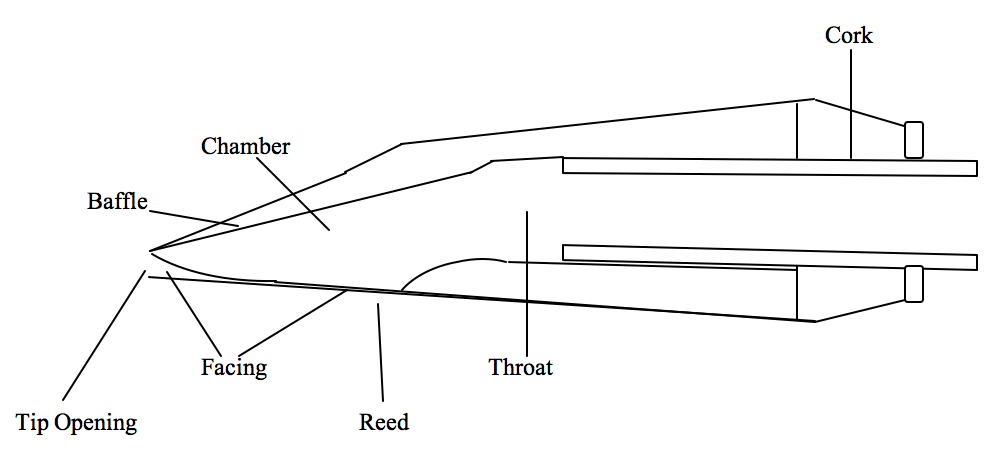
Mouthpiece Design There are two design characteristics that affect how a mouthpiece responds and performs – the tip opening and facing length. The tip opening is the space at the end of the mouthpiece between the tip and reed. The facing is the part of the mouthpiece where the reed is placed. Among mouthpieces with the same tip opening, longer facings require a stronger reed, whereas shorter facings use a softer reed. If mouthpieces have the same facing, an open tip requires a softer reed and a closed tip uses a stronger reed.
Budget A student’s budget can help narrow the field of available models and brands. Mouthpiece prices can range from $30 to $800. On a tight budget, one can find something inexpensive that produces a similar sensation to an existing or higher-priced mouthpiece by using its measurements. Vandoren mouthpieces to try are M13, M15, M30 and BD5. They range between $100-110 and provide a nice color range.
Trial and Error The most concrete way to find the right mouthpiece is often to try out different mouthpiece models. When a player finds a mouthpiece that produces the desired sound, they can take the measurements of the mouthpiece. When it is time to buy another mouthpiece, the model name and measurements are useful to finding similar options.
It is always important to have students try multiple models of mouthpieces as it helps them find out what type of mouthpiece, they are comfortable with. After finding a mouthpiece model that they are comfortable with, then it would be useful for them to try several of the same model.
Player Age and Skill Level A player’s age and skill level play a role in mouthpiece selection. If they are just beginning and have trouble focusing their air, consider the Vandoren M13or M15 model which has a smaller opening and will help. The M30 would work well for those who focus more easily and use more air. The Vandoren BD5 works well for those with a bright sound and will help them achieve the balance of warmth, intonation, and consistency with a well-developed embouchure.
Teacher or Local Professional Guidance It is always good to have a professional opinion from someone who has a lot of experience fitting students to mouthpieces. By taking the time to find the right mouthpiece model that works for each of your students, you’ll be able to not only fits their embouchure, but that choice will inform their decisions on reeds, ligatures and ultimately their instrument selection.
When you address each student’s individual way of playing, you will have helped them have the best musical experience.