










• Latest
  • Trending
Practice Strategies and Warmup Routines to Ensure a Great Saxophone (Or Other!) Performance

Practice Strategies and Warmup Routines to Ensure a Great Saxophone (Or Other!) Performance

September 22, 2025
Ten Commandments of Programming

Ten Commandments of Programming

June 15, 2026
Closing This Chapter and Looking to the Next in Our Ensemble Programs

Closing This Chapter and Looking to the Next in Our Ensemble Programs

June 12, 2026
ADVERTISEMENT
Teaching Theater Kids about the Importance of Correct Phrasing

Teaching Theater Kids about the Importance of Correct Phrasing

June 11, 2026
An Inspiring Story

An Inspiring Story

June 9, 2026
Headlines

Headlines

June 8, 2026
Add This to Your Bucket List

Add This to Your Bucket List

June 4, 2026
Breathe – Then Reinvent Yourself

Breathe – Then Reinvent Yourself

June 1, 2026
New Products

New Products

May 28, 2026
Translating Emotion to Expression: Five Strategies to Try

Translating Emotion to Expression: Five Strategies to Try

May 27, 2026
Sidney Harth’s Bowings for the Beethoven Symphonies 

Sidney Harth’s Bowings for the Beethoven Symphonies 

May 29, 2026
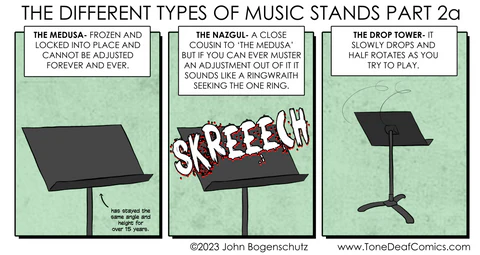
The Different Type of Music Stands – Part 2a

The Different Type of Music Stands – Part 2a

May 22, 2026

If You Can’t Beat ‘Em, Join ‘Em

May 21, 2026
Tuesday, June 16, 2026
  • Contact
SBO+
  • Advertise
  • Subscribe Free!
    • Manage Subscription
  • Departments
    • Choral
    • String Section
      • String Section
    • Concert Band
    • Modern Band
      • Mariachi
    • Orchestra
    • Instruments
      • Woodwinds
        • Wind Talkers
      • Percussion
        • GoodVibes
      • Repertoire
      • Playing Tips
    • Marching Band
    • Resources
      • Fundraising
    • Jazz
    • Brass
    • General Music
    • Advocacy
      • NAfME Neighborhood
      • MAC Corner
      • MusicEd: Mentor Minute
    • Commentary
      • Bubbett’s Bookshelf
      • Leadership Tips
      • Perspective
      • InService
        • America’s Bandmasters
        • America’s Musicians
      • Tone Deaf Comics
    • Features
    • News
      • Headlines
  • Current Issue
    • Past Issues
  • Support
  • Awards/Entries
    • 50 Music Teachers who Make a Difference
    • Teachers’ Choice Awards Nominations
No Result
View All Result
  • Advertise
  • Subscribe Free!
    • Manage Subscription
  • Departments
    • Choral
    • String Section
      • String Section
    • Concert Band
    • Modern Band
      • Mariachi
    • Orchestra
    • Instruments
      • Woodwinds
        • Wind Talkers
      • Percussion
        • GoodVibes
      • Repertoire
      • Playing Tips
    • Marching Band
    • Resources
      • Fundraising
    • Jazz
    • Brass
    • General Music
    • Advocacy
      • NAfME Neighborhood
      • MAC Corner
      • MusicEd: Mentor Minute
    • Commentary
      • Bubbett’s Bookshelf
      • Leadership Tips
      • Perspective
      • InService
        • America’s Bandmasters
        • America’s Musicians
      • Tone Deaf Comics
    • Features
    • News
      • Headlines
  • Current Issue
    • Past Issues
  • Support
  • Awards/Entries
    • 50 Music Teachers who Make a Difference
    • Teachers’ Choice Awards Nominations
No Result
View All Result
SBO+
No Result
View All Result

Practice Strategies and Warmup Routines to Ensure a Great Saxophone (Or Other!) Performance

September 22, 2025
bySBO Staff
in September 2025, Playing Tips
Share on Facebook
Sweetwater
ADVERTISEMENT
By SBO+ Staff

By Tracy Heavner

Introduction

Before traveling to perform at a concert venue, there are steps all performers should take to prepare themselves for a performance. These steps include practice strategies to prepare music for the concert and also warmup routines to be followed at the time of the concert. Being properly prepared and warmed up will greatly increase the quality of a performance and allow you to thoroughly enjoy your time on stage.

Practice Strategies

The first step in preparing for a performance is to carefully listen to recordings of the pieces being played by renowned artists to hear how each piece is properly interpreted and performed. Search the internet for articles written about each piece including its history and how to properly interpret and perform it, including tips on technique. The second step is to begin practicing each piece well in advance of the concert. It is extremely important to practice correctly since this is a crucial part of becoming an accomplished musician and the way you practice will greatly affect your progress. Many times, musicians practice incorrectly, working on lengthy sections of music while playing these sections too quickly with many mistakes. Practicing this way does not allow for development of the consistency needed for performance. Eventually, performers may play a piece once with no mistakes, leading them to believe they have mastered the music. However, if they fail to realize the music was practiced many more times incorrectly than correctly, during a performance it’s likely mistakes will occur.  This incorrect method of practicing will have a negative effect on a performer’s rate of progress and confidence.

To practice correctly, divide a musical piece into small, manageable sections, which are played slowly and perfectly each time with a metronome. As you master the material, increase the tempo gradually over a period until performance tempo is reached, always continuing to play with no mistakes. After correctly playing each section of the piece separately, these sections can be linked together, allowing the entire piece to be performed with no mistakes. Perfect practice makes a perfect performance.

After each musical piece can be correctly performed separately using the above method, it is time to practice the entire program without piano accompaniment, just as it would be played on the concert. Unfortunately, many performers skip this step, waiting to perform the entire program only at the concert. Skipping this step may cause you to experience problems during the performance since your endurance and mental concentration were not tested until the concert date. Performers may also find they did not know the music as well as they thought since it is much more difficult to play pieces perfectly back-to-back.  

To correctly practice, play the entire program without piano accompaniment, in concert order with no stops to realistically simulate the performance as close as possible. After playing the entire program, practice the pieces that need more work separately. This process should be completed at least once each day for at least two weeks or more prior to the performance. By doing this, the performer should feel very prepared and comfortable during the performance. In addition, listen intently to the piano accompaniment for each piece to know exactly what the piano is playing throughout the piece and how the solo and piano parts interact. If possible, practice with a recorded piano accompaniment to get comfortable playing the solo part combined with the piano. In addition, periodically practice with the accompanist well in advance of the performance, first working on the pieces separately and then eventually performing the entire program without stopping.

“Perfect practice makes a perfect performance.”

Warmup Routines

There are several warmup steps soloists can employ immediately prior to the performance to make sure things go smoothly. The first steps are to arrive early at the venue to inspect the stage, lighting, music stands, piano, and room conditions and then warm up using their regular warmup routine. Next, play short portions of the concert music without piano accompaniment while testing reeds to see which one works best and to make sure the instrument is working properly. Saxophonists should have at least eight reeds that are broken in and numbered showing their ranking from best to worst. Sometimes when warming up, saxophonists discover their number one reed does not play as well as some other lower ranked reeds due to room conditions.

Next, tune and perform brief sections of the program with the accompanist to become familiar with the acoustics of the room. After this, it is time to take a break and get dressed for the performance. Don’t eat a large meal before a performance because this may affect breathing and other performance abilities. However, if nervousness or performance anxiety is a problem, eating a banana around thirty minutes prior to performing may help calm you down because bananas are a natural beta blocker, reducing the amount of adrenaline absorbed by certain parts of the body. By following these practice and warmup suggestions, soloists should be properly prepared for the concert so when it is time to perform, they can walk confidently onto the stage ready to make music.

Tracy is a regular SBO+ contributor and is an endorser for Jody Jazz.

Dr. Tracy Heavner

You may also like:

The 22nd Annual 50 Directors Who Make a Difference SBO Presents The 19th Annual 50 Directors Who Make A Difference SBO Presents the 21st Annual 50 Directors Who Make a Difference The 23rd 50 Directors Who Make a Difference Report Report: 50 Directors
Rovner
ADVERTISEMENT
ADVERTISEMENT

POPULAR STORY

  • New Products December 2025

    New Products December 2025

    1791 shares
    Share 716 Tweet 448
  • Holiday Gift Guide for Music Businesses: Tools to Boost Engagement and Growth

    1713 shares
    Share 685 Tweet 428
  • 50 Music Teachers Who Make a Difference

    1416 shares
    Share 566 Tweet 354
  • When Selecting New Choral Music, Choose Success

    1299 shares
    Share 520 Tweet 325
  • 2025 Teachers’ Choice Award Winners

    1186 shares
    Share 474 Tweet 297
ADVERTISEMENT

SchoolMusic.Travel

No articles found.
Next Post
Banding Together: Building a Recruitment Bridge from Elementary to Ensemble

Banding Together: Building a Recruitment Bridge from Elementary to Ensemble

  • June 2026

    Articles | Digital Issue
  • May 2026

    Articles | Digital Issue
  • April 2026

    Articles | Digital Issue
  • March 2026

    Articles | Digital Issue
  • February 2026

    Articles | Digital Issue
© 2005 - 2026 artistpro, LLC
7012 City Center Way, Suite 207
Fairview, Tennessee 37062
(800) 682-8114

No Result
View All Result
  • Advertise
  • Subscribe Free!
    • Manage Subscription
  • Departments
    • Choral
    • String Section
      • String Section
    • Concert Band
    • Modern Band
      • Mariachi
    • Orchestra
    • Instruments
      • Woodwinds
      • Percussion
      • Repertoire
      • Playing Tips
    • Marching Band
    • Resources
      • Fundraising
    • Jazz
    • Brass
    • General Music
    • Advocacy
      • NAfME Neighborhood
      • MAC Corner
      • MusicEd: Mentor Minute
    • Commentary
      • Bubbett’s Bookshelf
      • Leadership Tips
      • Perspective
      • InService
      • Tone Deaf Comics
    • Features
    • News
      • Headlines
  • Current Issue
    • Past Issues
  • Support
  • Awards/Entries
    • 50 Music Teachers who Make a Difference
    • Teachers’ Choice Awards Nominations

© 2005 - 2024 artistpro, LLC 7012 City Center Way, Suite 207 Fairview, Tennessee 37062 (800) 682-8114

Wenger Transcend Ad
Wenger Transcend Ad