





By Richard Tengowski with Lance Jones and Melissa Jmaeff
In music education, it is easy to assume the most significant innovation and leadership emerge from large, well-resourced programs. Yet, across the country, small school music programs are proving size does not define impact. Small school music programs often operate with limited resources, yet their influence within the profession extends far beyond the size of their classrooms, ensembles, or communities. On modest stages and in close-knit communities, music educators and students are demonstrating remarkable artistry, resilience, and vision. These music programs not only provide meaningful musical experiences for their students but also model leadership practices that influence the broader profession.
I recently interviewed Lance Jones and Melissa Jmaeff, two respected music educators serving on the NAfME Small Schools Initiative Task Force. Their reflections provide valuable insight into how small school music educators can address the challenges that exist in the small school setting.
Small school music programs often face unique challenges. How have you turned those challenges into opportunities to create meaningful experiences for your students?
Lance: I love bringing guests into our district. Guest speakers, performers, clinicians, or conductors all provide powerful experiences for our students. Bringing these professionals into our community helps students grasp the larger musical community of which they are a part. Students feeling seen and heard by these artists is also extremely powerful.
Melissa: Small schools often face both systemic challenges and classroom-level challenges, both of which can be addressed by keeping a student-centered approach to teaching and learning. For example, instrumentation has been a perpetual challenge for my smaller ensembles. Fortunately, I have had several enthusiastic students who are happy to learn an important part by ear to help fill in the gaps or reinforce lines. Often these students do not write out their new parts and instead rely on their rote-learning skills to jump from part to part as needed. This is just one example of taking a systemic issue and turning it into a student-centered learning opportunity.
Adaptability is essential in a smaller setting. Can you share an example of a time when you adjusted your approach to meet the needs of your ensemble or community?
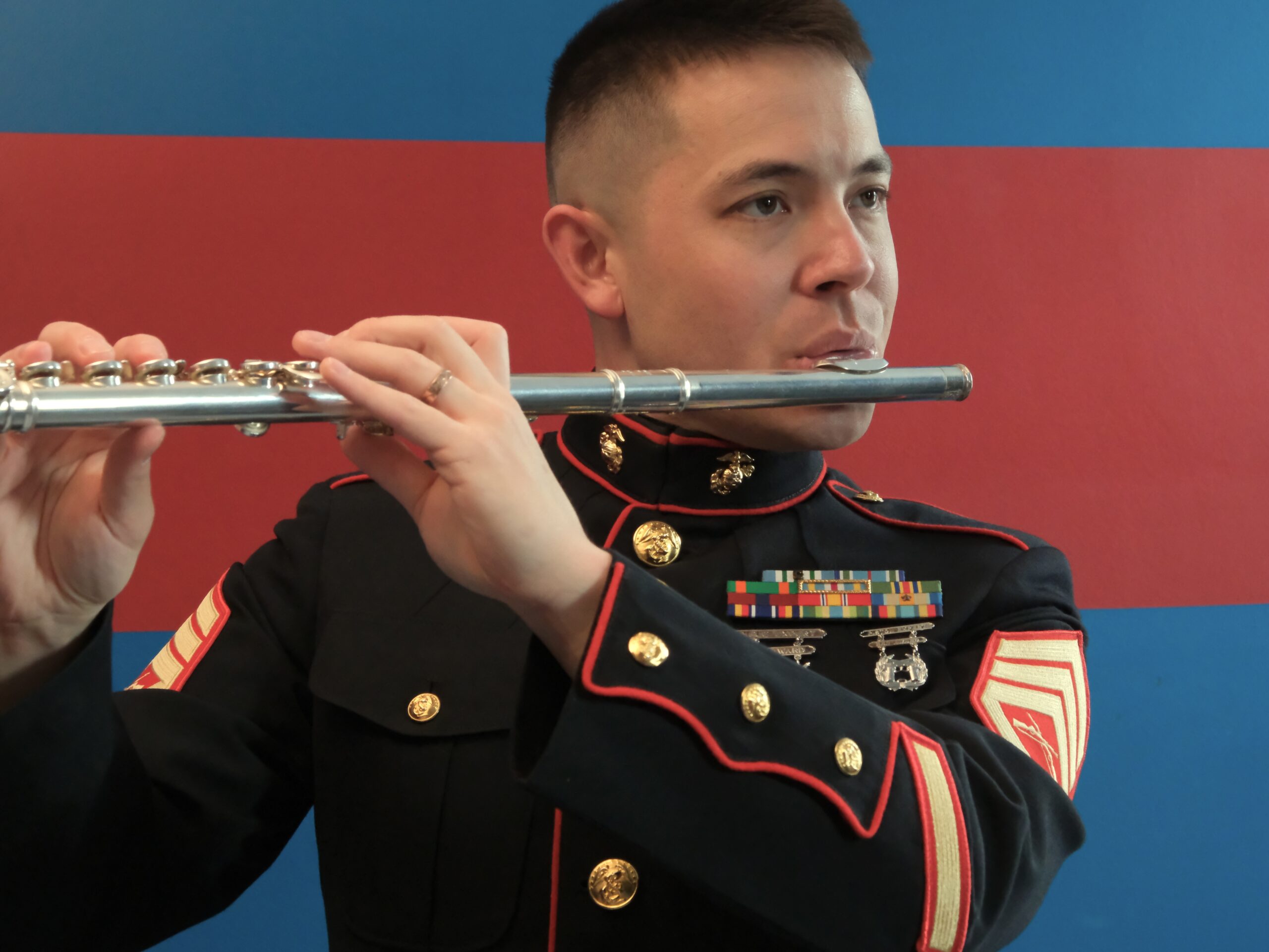
Lance: We recently started organizing TAPS players in our communities for Memorial Day. This is an opportunity that is flexible and accommodating, as it does not require a set number of participants. These performances are highly regarded in our district and allow the students to serve their families and community in the purest and most impactful way possible.
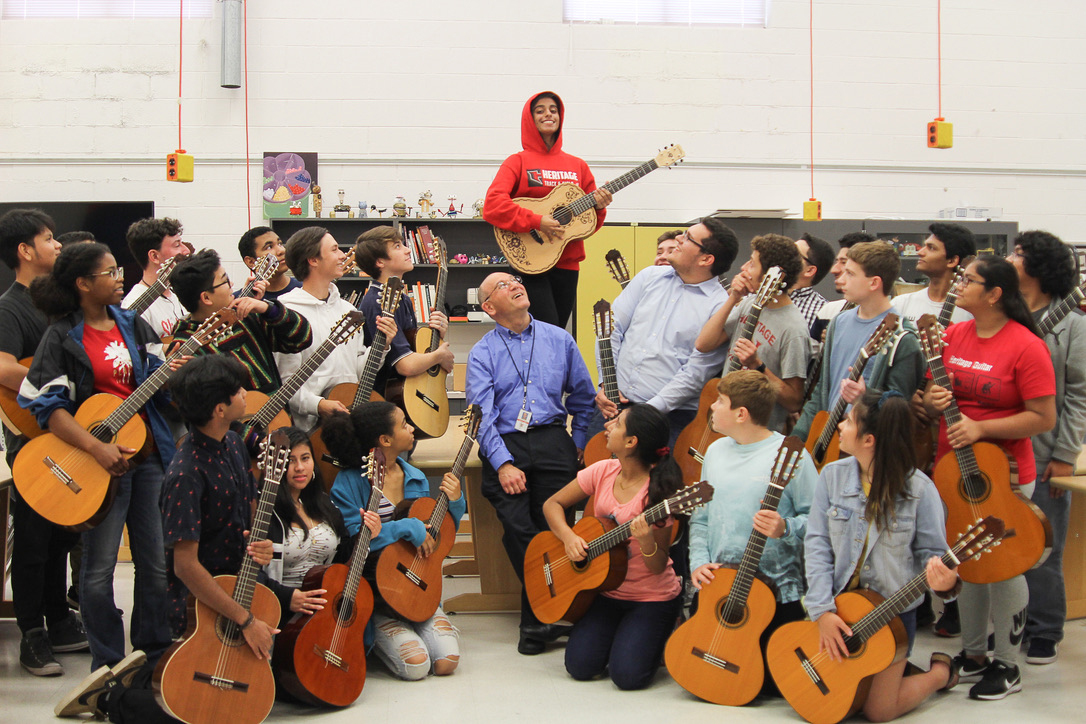
Melissa: I think for many teachers whose first job out of college is a small school job, adaptability is the name of the game! Too few of our post-secondary institutions adequately prepare preservice teachers for the realities of teaching in small schools, which tend to require expert-level skills in a generalist setting. I have always considered my teaching assignments in small schools as much a learning opportunity for me as for my students. While I felt comfortable teaching band classes, I had to learn how to teach K–5 general music, choir, and guitar classes on the job. That took a great deal of flexibility and adaptability on my behalf but the skills I obtained through this learning process have made me a much better teacher and all-around musician.
Small school leaders are often required to navigate a wide range of responsibilities. How has this shaped your own growth as a professional and influenced your leadership style?
Lance: I think when you are responsible for an entire program over several grade levels, it forces you to broaden your perspective. This is very different from most of our colleagues, whose vision is limited to a specific class, grade, or discipline. This “broad perspective” has influenced how I approach everything from planning/budgeting/scheduling to communicating with stakeholders.
Melissa: Being a music teacher at a small school not only requires one to wear many hats, but because of having to assume our various roles, we often wind up a bit of a “lone wolf” in our districts. At the beginning of my career, I was so overwhelmed by the many hats the job required. However, I have come to recognize that I am happiest when I am busy and have autonomy in my work. I have also come to value the necessity of independent thinking, decision-making, and pacing. While there are many things I would like to improve as an educator, being able to manage my time, balance many roles, multitask, and creatively solve problems are areas that teaching in small schools helped me to develop.
What lessons or practices from your program do you believe could benefit music educators in other small school settings?
Lance: It may sound silly, but it is important to enjoy problem-solving because that is a large part of our role in small schools. Embracing challenges and finding the possibility and opportunity that comes with each challenge is key!
Melissa: Do what you can to find or create community. While being independent is great, a sustainable career in small and/or isolated schools requires a sense of belonging. Whether it is within your school, the broader community, your musical practice, or through outside hobbies, it is crucial to find your people and prioritize those connections. Seek out mentors and colleagues you respect. These are the folks who you can talk shop with. They don’t even have to be music teachers.
Leadership is not determined by the size of a program but by the vision, creativity, and commitment of those who guide it. From modest rehearsal rooms to community performances, these music educators demonstrate that small stages can cultivate big leadership. Meaningful music education thrives where teachers inspire with purpose, adapt with resilience, and model practices that elevate the profession.