








 As soon as I saw my French horn section taking a nap outside the auditorium, I knew we were in trouble.
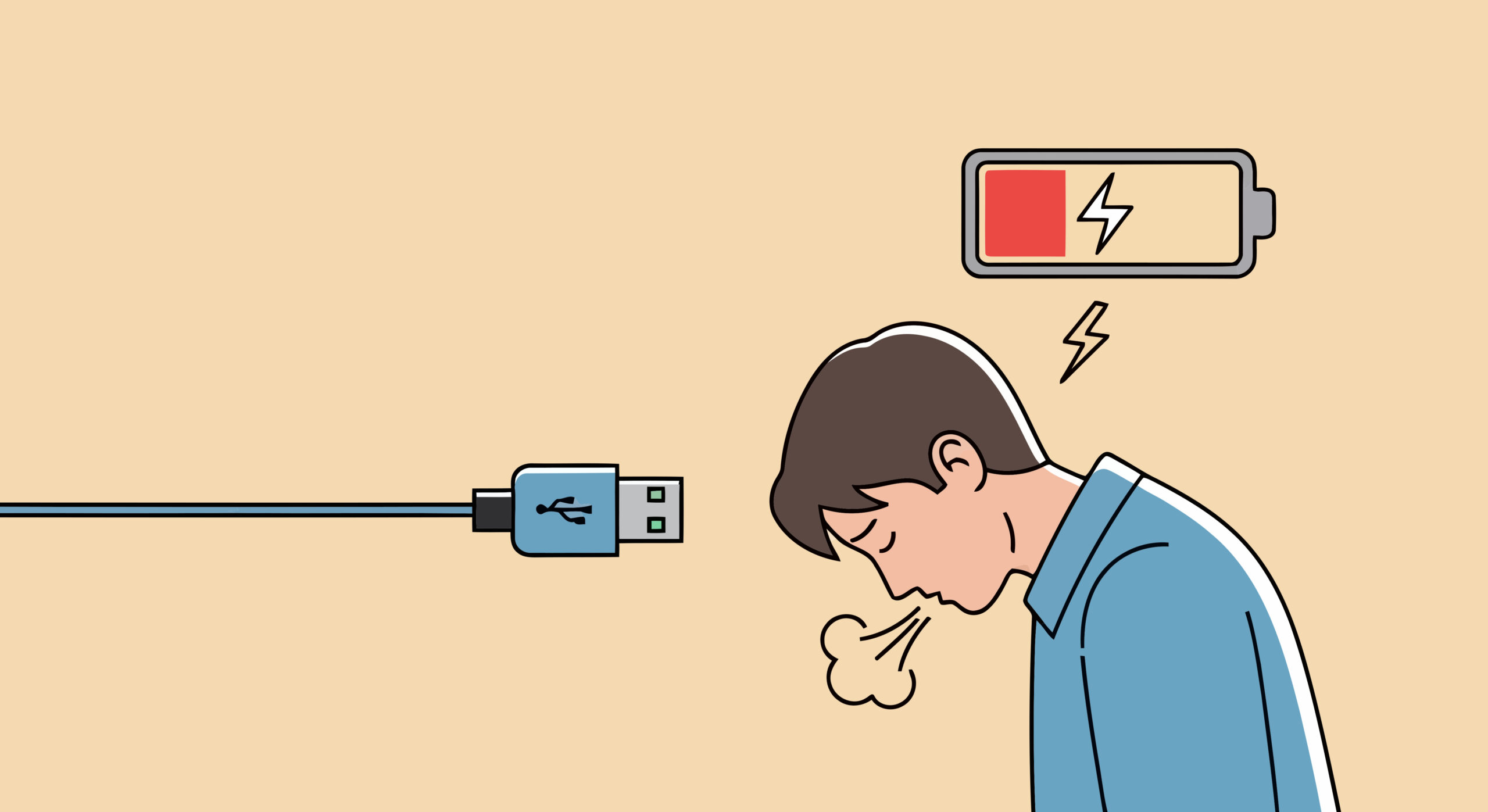
It had been three long days in the theme parks, including a parade performance that consumed much of an afternoon. Late nights taking in every last ride and fireworks finale was beginning to take its toll. And now on the day of our adjudicated performance that we had worked so hard to prepare musically, the energies were starting to fade.
“Well,” I thought. “So Children’s March and Nimrod are going to go really well today.”
Fortunately, the troops rallied. We somehow, somewhere, got a second wind, went onto stage and performed wonderfully….ending up receiving first place in our division. Deep down I knew we had dodged a bullet that could have shot down weeks of preparation and deflated the confidence of the students in the wind symphony. I had learned my lesson.
It’s no surprise that bringing your ensemble to perform in a quality festival experience can be an educationally rewarding opportunity for musical growth. As a teacher, the ability to have your group perform and receive feedback from experts in the field helps them improve as musicians and helps you improve as a conductor–and usually reinforces the lessons you teach from the podium every day!
Along with the musical preparation necessary for success, an additional important ingredient to remember is to set a pace for the performance day that will allow your group to be at its best. This means not packing every moment of the day full of activities, but rather building a lighter and more flexible schedule into the day. And while it may run antithesis to common thought, you will likely find that it will make for a more optimal experience in the long run.
Conventional wisdom usually falls into one or more of the following camps:
• A full schedule means less idle time for problems to arise.
• We’ve come all this way to “x” destination so we need to make the most of every minute to get our money’s worth.
• I don’t want the students complaining that they’re bored.
• This may be the only time some of these students get to travel to “x” location, so we need to see everything and can’t spare any down time.
All valid reasoning, but consider the following as well: your musicians need to be in a condition (physically and mentally) to perform at their best to avoid all your preparation being for nothing. That means they need to have had adequate rest and arrive at the festival with sufficient time to warm up, tune, and otherwise prep for the performance.
I can’t tell you how many times I’ve seen groups arrive at a festival (or clinic, or workshop, or rehearsal with a guest conductor) where the students are in a “fog” or even beginning to nod off because they have been running at such a breakneck pace since they arrived in the city and are exhausted from getting little sleep combined with being “on the go”. This becomes magnified if your group is performing as part of a mass ensemble (such as a bowl game performance or collaborative choir) and affects the performance quality of fellow musicians who have also worked hard– and often paid a substantial amount–for this opportunity. Now your sluggish and seemingly unprepared or uncaring musicians are branded as “that ensemble” for the duration of the event. Not a fun place to be.
Add to that the effect of “sensory overload” present in some locations. Believe me, I love Times Square and theme parks as much as the next person….but the constant lights, sounds, and crowds are cumulatively overwhelming. Throw into the mix doing this all while probably on a diet of more fast food, snacks, and caffeinated sodas than usual….even for teens. This is where exhaustion can very quickly transform to sickness and take performers out of commission.
Then there are the cases of the groups who arrive for their event late due to unexpected traffic issues because they were squeezing in another attraction. Or had “that one student” who got stuck in the museum gift shop, or lost track of time, etc. The students leap off of the bus, hurriedly grab (or toss) instruments and concert-wear out of the bus bays, and go dashing to a warm up room while slapping a reed on a mouthpiece or organizing their music…. all while harried chaperones and directors are prodding them to move quickly. Not exactly conducive to creating a memorable rendition of a lush, serene Grainger work.
While you can’t control the atmosphere of the city, and try as you might you can’t completely control when they actually go to sleep or what they’re feeding themselves, you CAN control the itinerary to make certain that you’re not setting the group up for failure. Just as much as you want to gain the most “value” of your sightseeing time, don’t overlook getting the most value out of the cost of your festival experience.
Plus think of the ancillary advantages:
• Having one or two fewer attractions might save you some overall cost.
• One of the things that we know is always good for young musicians is to listen to other ensembles. Taking the time to sit in the audience to listen to other groups in the festival is a great and usually no-cost way to make this happen. (And, it teaches the importance of concert etiquette and being an appreciative supporter of fellow musicians.)
It’s always possible that one of the other ensembles will perform a work your group is doing later in the year, or that you’re planning to introduce next season. Who knows….you might even hear a new or unfamiliar work that will be perfect for your ensemble.
• This will help you avoid having to deal with possible schedule conflicts. The reality of most festival situations is that for many and varied reasons performance schedules often can’t be finalized until closer to the date, or may change at the last minute. We all know there are times when events unexpectedly run behind schedule. Setting up an admission activity for that day could lead to losing funds that were spent on tickets that will go unused….and the associated unnecessary stress.
Instead, plan flexible activities for the festival day that are not dependent on a particular time–exploring parts of the city in chaperone groups, seeing unique neighborhoods or parks, or doing some souvenir shopping, for example. Or simply take the time to hear some of your fellow performing ensembles–they’ll likely be grateful for having you in the audience, and maybe will return the favor and stay for your performance. What a tremendous way to build community.
Certainly you always want your musicians to have a fun and memorable experience. However, you also want them to take full advantage of these opportunities to have a performance that reflects the hours of preparation you’ve dedicated (and the true quality of your program) or to completely absorb the wisdom of a renowned clinician. A “less is more” approach will usually lead to a quality over quantity result…and allow you to keep the musical and educational focus that is critical to the success of your program always at the heart of what you do.