



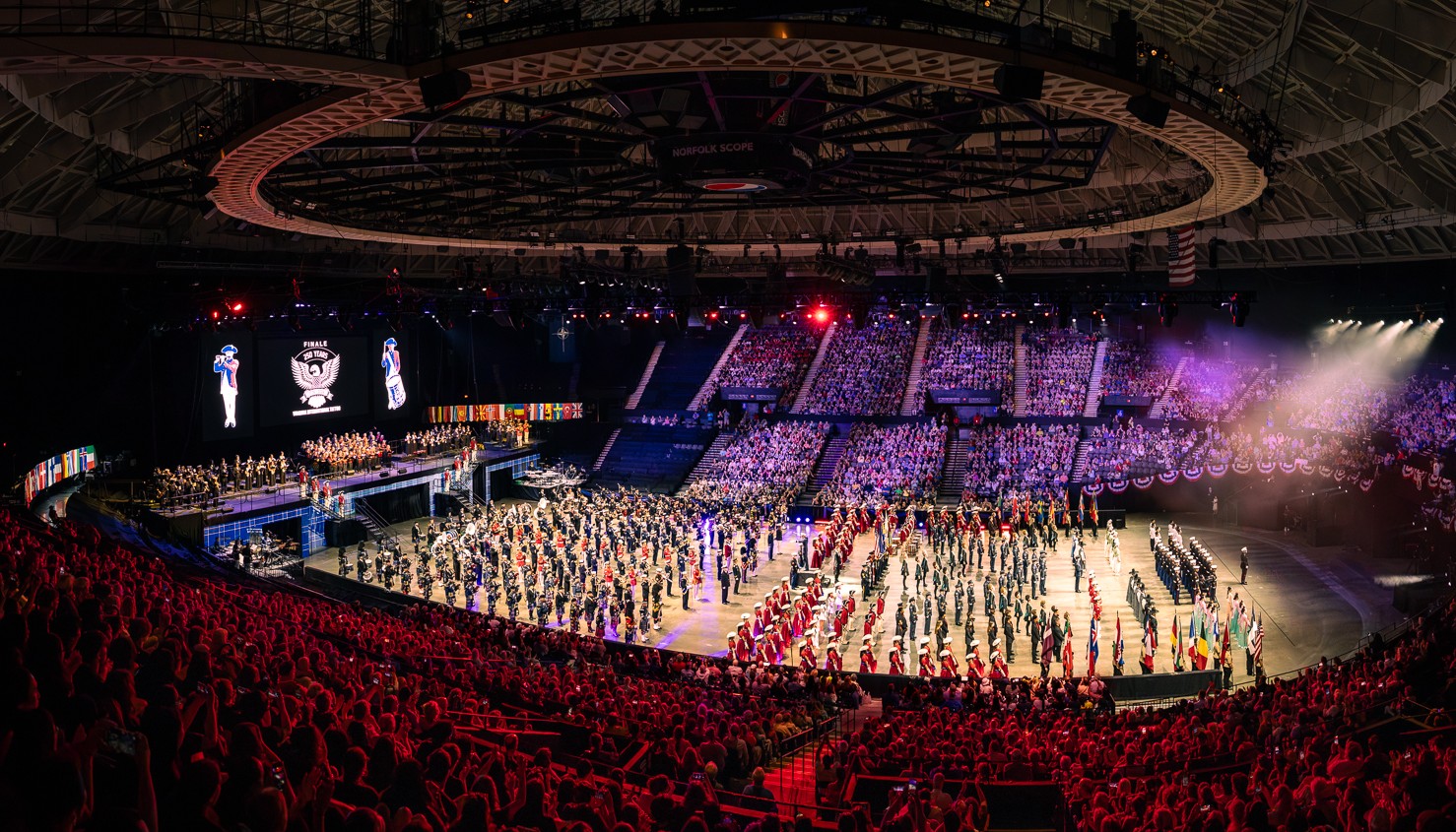


 Okay, SBO readers, I promise to deliver on this article’s title and make this relevant to you.
But first, a brief history of how these ideas developed. As a leader in military music, I was often required to prove the relevancy of music groups to an organization whose primary purpose was waging war. For many years, we justified our existence by citing our efforts in three main areas: troop support (including ceremonies), recruiting support, and community relations. As the U.S. Armed Forces transitioned from a Cold War focus to today’s environment, the way that military leaders thought about what “winning” meant also changed.
Instead of focusing solely on the number and type of Soviet divisions facing NATO and how to defeat them using kinetic means, they began to think about how to use all elements of power to achieve a desired outcome. This included how to positively influence the “human dimension” and Strategic Communications and other non-kinetic tools were important parts of any operation. Forward-thinking leaders saw military music groups as their most effective and important strategic communication tool.
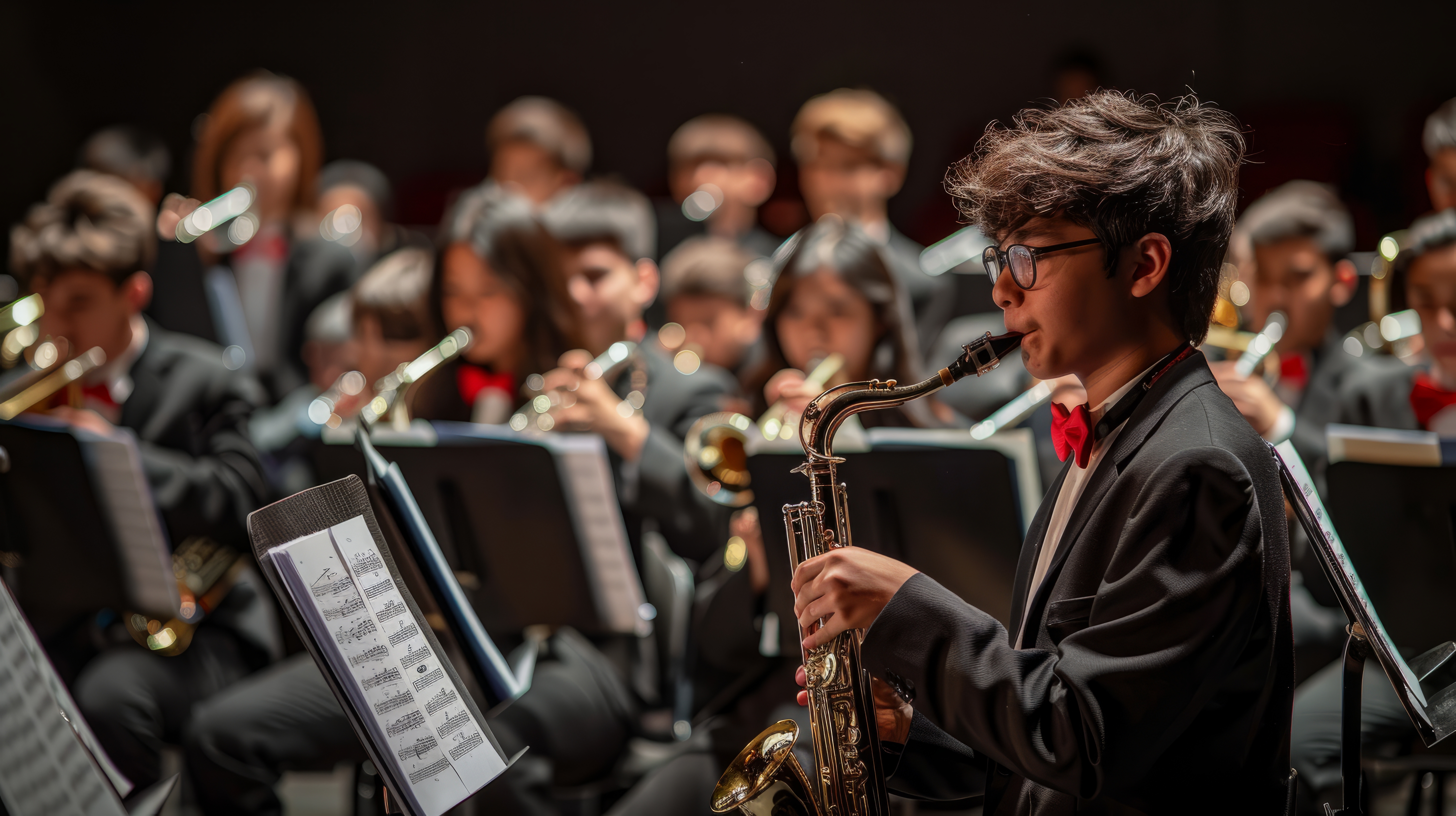
You’re now thinking, “I’m a school music educator, not a student at the Army War College, get to the point.” What sets our music programs apart from the other subjects taught in school? We regularly present performances for the public and largely have control of what we perform and how we present it!
When developing any program ask yourself, why are we doing this performance? Hopefully the answer is not because you’ve always done it. Some better reasons are that music is ultimately a performance art and the concert is the “final exam,” the demonstration of achieving the learning objectives. But there are other valid reasons for presenting a concert, to recruit for the music program, or to make visible the value of music education, as examples. What if you also used it as an opportunity to show the public the great things that are occurring at your school and to express the vision and goals of the school and district? How do you think your supervisors would view your programs then? I can tell you, they would be thinking, “Finally, someone here actually gets the big picture and is helping us tell that to the public!”
As a commander of military music units, I was blessed to have a few bosses who really understood the power of music as a communication tool. They ensured I was “in the loop” to understand the larger purpose of events for which we would provide music. They didn’t tell me what selections to play but they trusted me to ensure it would have the desired effect on the audience. In 2005, the U.S. needed an ally to cede control of land adjacent to an existing U.S. base. The land would be critical to our plans to reshape U.S. forces on that continent. To influence the key foreign decision makers, the U.S. Ambassador to that nation hosted a party for senior government and military officials. The entertainment was to feature an Army music group that was directed to present a program of American selections but to also include selections in the host nation’s language. After an evening of food and large quantities of wine, the chorus performance began and concluded with a love duet in the host country’s language. At the conclusion of the duet, which left the foreign leader and his wife in tears, he leaned over and said to the U.S. official, “you can have the land.”
Within a few days of the event, a very senior military officer stated in a staff meeting that “all you big bad warriors ought to know that when I really needed to get something done, I went to my band.”
When planning your next concert, try “embedding” the motto or vision of your school or district in the performance. A colleague had students make short videos introducing each piece and telling how preparing that music made their school’s motto relevant to them – brilliant! If you have multiple ensembles that require a reset (which is when the audience all starts looking at their phones…) why not invite some other department in the school to have students talk about their successes?
While great music is all we “should” need in a performance, we should take advantage of a public forum (our concerts) to make our music programs indispensable to school administrators.
Colonel (Retired) Thomas Palmatier is an active conductor and clinician following his nearly 38-year career in military music culminating as Leader and Commander of The U.S. Army Band “Pershing’s Own.” You can contact him at ThomasPalmatier.com.
You may also like:
 The 2014 Best Communities for Music Education
 Pershing to President, America’s Military Bands, Part I: History and Organization: An Overview of Bands, Orchestras and Ensembles in our Military Service, Career and Education Opportunities
 SBO Presents The 19th Annual 50 Directors Who Make A Difference
 The National Home for Disabled Volunteer Soldiers Band
 Report: 50 Directors