






• Latest
  • Trending
Air Support in Woodwind Playing

Air Support in Woodwind Playing

July 17, 2023
NAMM Show 2026 – A Can’t Miss Event

NAMM Show 2026 – A Can’t Miss Event

January 6, 2026
BEGINNING BAND

BEGINNING BAND

December 30, 2025
Rovner Products
New Products December 2025

New Products December 2025

December 30, 2025
Musical Detective: Why? When? How?

Musical Detective: Why? When? How?

December 22, 2025
Holiday Gift Guide for Music Businesses: Tools to Boost Engagement and Growth

Holiday Gift Guide for Music Businesses: Tools to Boost Engagement and Growth

December 21, 2025
The Perfect Culmination: How One Violinist Found His Calling in the U.S. Air Force Strings

The Perfect Culmination: How One Violinist Found His Calling in the U.S. Air Force Strings

December 19, 2025
The Road Ahead for Music and Arts Ed: Keeping it Human

The Road Ahead for Music and Arts Ed: Keeping it Human

December 29, 2025
The Power of Small School Music Programs

The Power of Small School Music Programs

December 29, 2025
Rehearsal AI: Transforming Artificial Intelligence into Authentic Musical Intelligence

Rehearsal AI: Transforming Artificial Intelligence into Authentic Musical Intelligence

December 15, 2025
Crafting a Creative Mindset for Band – Part 2

Crafting a Creative Mindset for Band – Part 2

December 14, 2025
Headlines December 2025

Headlines December 2025

December 30, 2025
Turn Rejection Into Success

Turn Rejection Into Success

December 10, 2025
Wednesday, January 7, 2026
  • Contact
SBO+
Excelcia Music Publishing
  • Subscribe Free!
    • Manage Subscription
  • Departments
    • Choral
    • String Section
      • String Section
    • Concert Band
    • Modern Band
      • Mariachi
    • Orchestra
    • Instruments
      • Woodwinds
        • Wind Talkers
      • Percussion
        • GoodVibes
      • Repertoire
      • Playing Tips
    • Marching Band
    • Resources
      • Fundraising
    • Jazz
    • Brass
    • General Music
    • Advocacy
      • NAfME Neighborhood
      • MAC Corner
      • MusicEd: Mentor Minute
    • Commentary
      • Bubbett’s Bookshelf
      • Leadership Tips
      • Perspective
      • InService
        • America’s Bandmasters
        • America’s Musicians
      • Tone Deaf Comics
    • Features
    • News
      • Headlines
  • Current Issue
    • Past Issues
  • Support
  • Awards/Entries
    • 50 Teachers Who Make a Difference
    • Teachers’ Choice Awards
  • Advertise
    • Email PR!
No Result
View All Result
  • Subscribe Free!
    • Manage Subscription
  • Departments
    • Choral
    • String Section
      • String Section
    • Concert Band
    • Modern Band
      • Mariachi
    • Orchestra
    • Instruments
      • Woodwinds
        • Wind Talkers
      • Percussion
        • GoodVibes
      • Repertoire
      • Playing Tips
    • Marching Band
    • Resources
      • Fundraising
    • Jazz
    • Brass
    • General Music
    • Advocacy
      • NAfME Neighborhood
      • MAC Corner
      • MusicEd: Mentor Minute
    • Commentary
      • Bubbett’s Bookshelf
      • Leadership Tips
      • Perspective
      • InService
        • America’s Bandmasters
        • America’s Musicians
      • Tone Deaf Comics
    • Features
    • News
      • Headlines
  • Current Issue
    • Past Issues
  • Support
  • Awards/Entries
    • 50 Teachers Who Make a Difference
    • Teachers’ Choice Awards
  • Advertise
    • Email PR!
No Result
View All Result
SBO+
No Result
View All Result
Sweetwater Sound

Air Support in Woodwind Playing

July 17, 2023
in Archives, Wind Talkers, July 2023
0
Air Support in Woodwind Playing

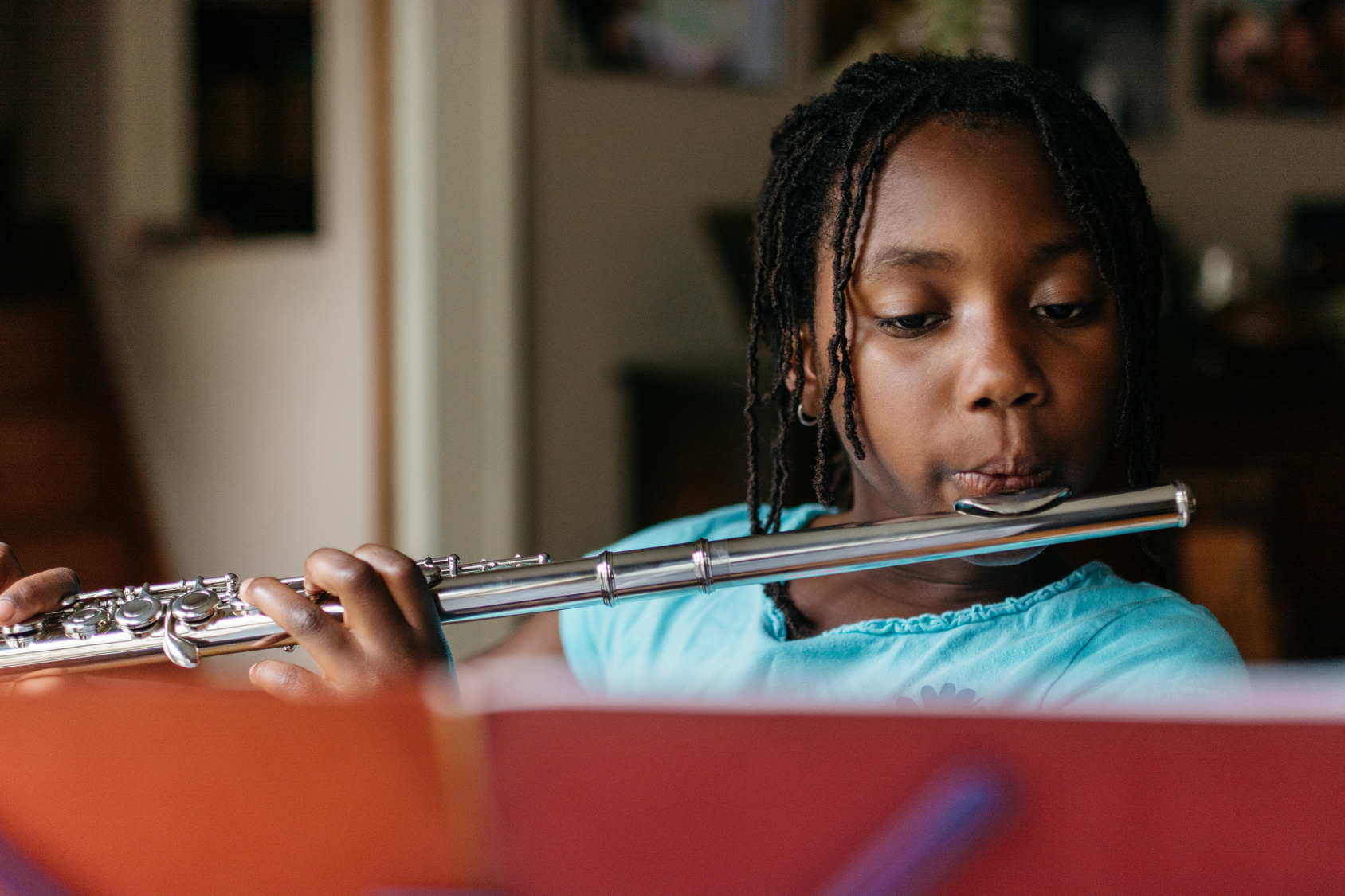
Young African American girl practicing flute

Share on Facebook
ADVERTISEMENT

By Dr. Pamela Shuler, Assistant Professor of Music, Eastern New Mexico University

It is difficult to over-sensationalize the role air support plays in creating a quality tone on woodwind instruments. While the focus of air support is often on the quantity and quality of air that moves into and out of the lungs, there are other items to consider when working with a student on effective and impactful air support, including: engagement of muscles, how the student approaches the instrument, revisiting the familiar act of breathing, the role aperture size plays in moving air through the instrument, and the condition of the instrument.

ADVERTISEMENT

Importance of Maintaining a Supported, but Not Tense State

Breathing is largely impacted by the state of one’s muscles. For some young musicians, an effort to pull in a full breath can lead to tension in the neck, shoulders, and abdomen.  Muscle tension can produce an effect counter to what we are trying to achieve. While muscles need to be engaged to hold and support the weight of an instrument, it is important to evaluate the degree of muscle engagement, so a student is not playing with too much tension. Muscles, especially in the neck and torso, can impact the efficiency of air flow. Taking time to stretch before playing and evaluate the state of tension in muscles can make a big impact on breath support. Building in a moment to release muscle tension before playing and during longer practice sessions can lead to getting the most out of your air flow.

Too much rigidity can constrict airflow but too much muscle relaxation can lead to improper posture and muscle habits that may close off the air column and restrict lung expansion. If a student is having an issue with finding a good playing posture while sitting in an ensemble or during individual practice, try having the student stand. Watching a student’s posture and having a student use a mirror or a recording device during at home practice sessions can aid in diagnosing and correcting overly tense or relaxed postures that can prohibit proper breathing technique.

Bringing the Instrument to You

Have a student sit or stand in a playing position without holding the instrument. Hand the instrument to the student, and make sure there is no torso, shoulders, neck, or head movement as the student brings the instrument up to their mouth. The weight of an instrument can sometimes cause students to alter the natural body carriage. Working to bring a woodwind instrument up to the mouth can greatly aid in maintaining an open air column and proper muscle engagement.

ADVERTISEMENT
ADVERTISEMENT

Relearning Something Students Already Know

There are several new elements to be mastered to play a woodwind instrument. Forming an embouchure and learning which fingers to depress and lift for various pitches are likely new. For a novice, there is one element everyone will already have prior experience with: breathing! Since breathing is an inherent part of living, it is easy to overlook this. Using inhalation/exhalation exercises at the beginning of practice sessions, without the instrument in hand, is a good reminder that while we all breathe, not all breathing and air flow styles work to produce the best tone.

Importance of Aperture Size and Its Role in Air Support

In the woodwind family, embouchures are specific to each instrument. One goal of creating an embouchure is formation of muscles that create an aperture, or opening in the lips, that is best suited to move air to produce a quality tone. Depending on the specific instrument, if an aperture is too small, it can create a tense, constricted sound and prevent the correct amount of air from moving through the instrument. If an aperture is too large, it can allow too much air to move into the instrument and create a tone that lacks focus and vibrance. Checking a student’s aperture apart from the instrument can help discern if the aperture size and formation is beneficial in using the correct amount of focused air.

Condition of the Instrument

Over time, instruments can fall out of alignment. Pads and corks can become damaged. Initially, air and tone issues can be diagnosed as something else, including not using air efficiently. One small damaged or misaligned pad can have a large impact. It is important to teach students to check the seal on their instrument and maintain regular check-ups with a qualified repair technician. Often, students will not realize there is something wrong, and become used to overblowing or using too much force on the keys to create a seal. For a student who has worked on air support techniques, damaged or poor-quality equipment can lead the student to feel frustrated, without realizing there is an equipment issue. The best air support can’t overcome bad equipment. 

Hopefully, consideration of engagement of muscles, how the student approaches the instrument, revisiting the familiar act of breathing, the role aperture size plays in moving air through the instrument, and the condition of the instrument can help you find new approaches to air support discussions with your students.

LisasClarinetShop.com


You may also like:

SBO Presents The 19th Annual 50 Directors Who Make A Difference 2012 ’50 Directors Who Make a Difference’ Report The 22nd Annual 50 Directors Who Make a Difference 50 Music Teachers Who Make a Difference SBO Presents the 18th Annual 50 Directors Who Make A Difference Report
ADVERTISEMENT
Previous Post

Teaching by Ear, Learning by Heart Creative Musical Arts at New England Conservatory – Part 1

Next Post

Performing Music is a Lifelong Passion

Next Post
Making Investments Where They Count

Performing Music is a Lifelong Passion

Please login to join discussion
Bob Rogers Travel
  • January 2026

    Articles | Digital Issue
  • December 2025

    Articles | Digital Issue
  • November 2025

    Articles | Digital Issue
  • October 2025

    Articles | Digital Issue
  • September 2025

    Articles | Digital Issue
© 2005 - 2026 artistpro, LLC
7012 City Center Way, Suite 207
Fairview, Tennessee 37062
(800) 682-8114

Wenger Endur Music Stand
No Result
View All Result
  • Subscribe Free!
    • Manage Subscription
  • Departments
    • Choral
    • String Section
      • String Section
    • Concert Band
    • Modern Band
      • Mariachi
    • Orchestra
    • Instruments
      • Woodwinds
      • Percussion
      • Repertoire
      • Playing Tips
    • Marching Band
    • Resources
      • Fundraising
    • Jazz
    • Brass
    • General Music
    • Advocacy
      • NAfME Neighborhood
      • MAC Corner
      • MusicEd: Mentor Minute
    • Commentary
      • Bubbett’s Bookshelf
      • Leadership Tips
      • Perspective
      • InService
      • Tone Deaf Comics
    • Features
    • News
      • Headlines
  • Current Issue
    • Past Issues
  • Support
  • Awards/Entries
    • 50 Teachers Who Make a Difference
    • Teachers’ Choice Awards
  • Advertise
    • Email PR!

© 2005 - 2024 artistpro, LLC 7012 City Center Way, Suite 207 Fairview, Tennessee 37062 (800) 682-8114