







 By Tom Merrill
Do you remember the story of Jean-Baptiste Lully from music history class? (You WERE paying attention in music history class, right?) A French composer of the Baroque Period, he was also one of the world’s first conductors. And in 1687 the job killed him.
No, seriously. For those who don’t remember, here’s how it happened – thus immediately qualifying him for music history’s first and, still probably best, Darwin Award.
He was conducting a performance of his Te Deum at a celebration of Louis XIV’s recovery from surgery (irony alert). In those days, a conductor’s baton was actually a long staff – somewhat similar to a mace like you would see a ceremonial drum major carry today in a military band. They kept time by banging the pointed end of the staff on the stage floor, which ultimately led to the creation of Dr. Beat…but that’s another story.
In his excitement, at one point Lully missed the stage and instead struck his toe. The wound developed gangrene, but Lully refused to have his leg amputated because he still wanted to be able to enjoy dancing. He died of blood poisoning in two months.
Fortunately, thanks to new advancements in modern baton technology, this is less of a problem.
In all seriousness, as wonderful as the profession is, a career in music education can be hazardous to your health in many ways. Consider first the “busyness” of a successful program. You are simultaneously managing such things as solo and small ensemble contests, production of spring musicals, preparing for spring large ensemble festival and final concerts, coordination of music for numerous end of year celebrations, possibly embarking on a spring tour, researching summer music camp options for dedicated students, and hiring summer band camp staff. All good things—but it’s A LOT.
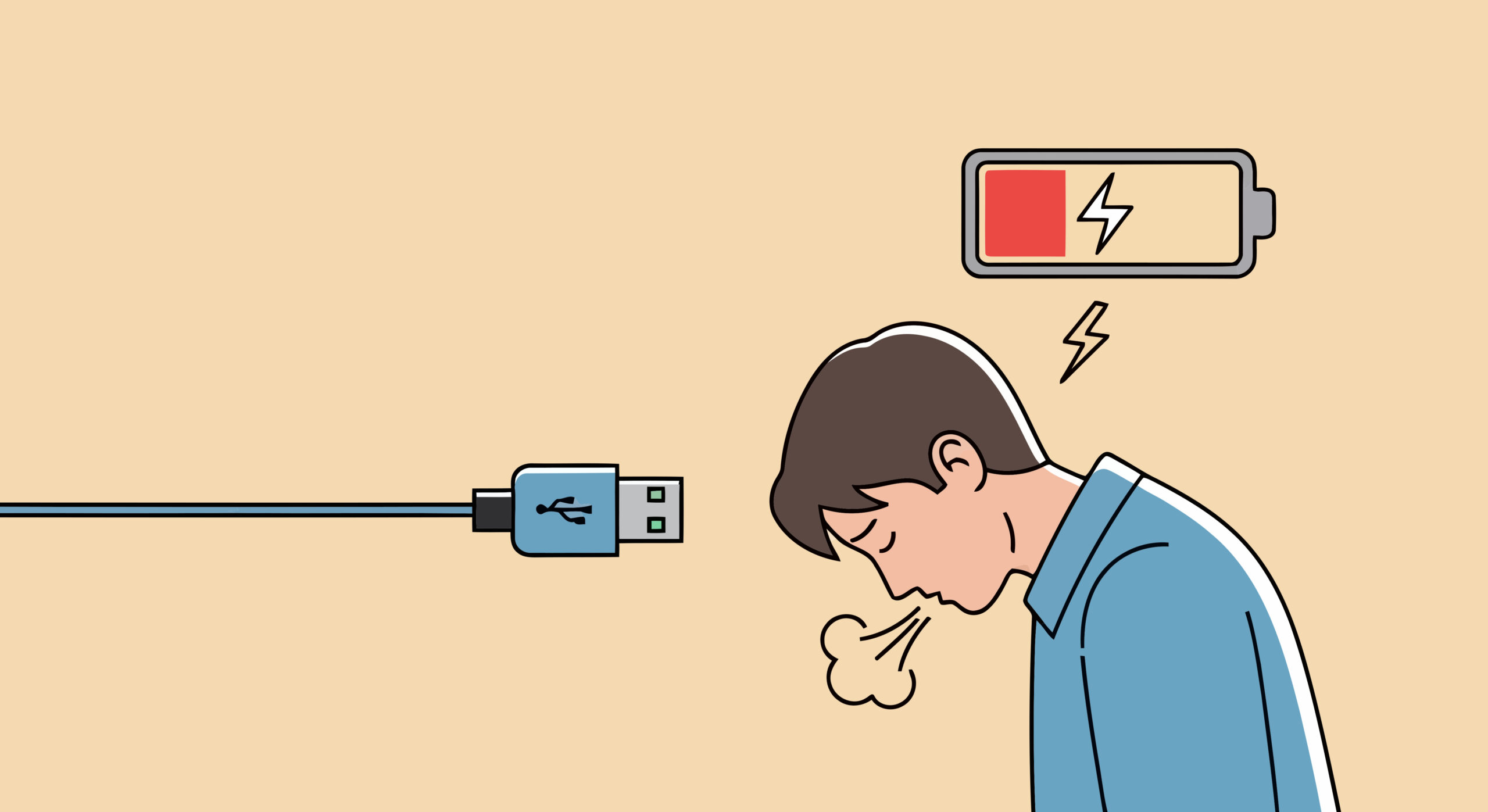
While stress of the performance aspect of the job is usually offset by our love of creating music with people who share the same passion, the stress of all the extraneous non-musical “stuff”— facing ever-shrinking budgets, fighting over the calendar, organizing multiple fundraising efforts – (to be able to afford it all), dealing with administration, coping with belligerent or apathetic parents, implementing standardized testing, etc.—is often what can finally drive even the most dedicated educator into burnout and out of the profession.
Sadly, this is happening to more teachers with shorter “teaching lifespans” before they move on to something else. I know this firsthand.
After making the leap to student travel and then the festival planning world, I found many similarities. Planning the festivals and the tours was the fun part, but there was a whole lot of “not fun stuff” that needed attention in order to ensure success. And it created the same kind of stress we face as music teachers.
Behind all of this is one simple truth – it affects us this way because we want these experiences to be the best possible. We’re all artists and we’re wired for nothing less than excellence. If there is anything I’ve finally learned after 25 years of experiencing these vocations, it comes down to two things:
First – be kind to yourself.
- Take breaks – mental and physical – when you can. Preferably away from a computer screen; Facebook and Candy Crush don’t count, do something real.
- Ask for help. You don’t have to do it all yourself. Farm out the “chores” to capable parents and even students. You may not always get the job done to the perfection you want (being a parent of teenagers is teaching me that) but it will open up your time for the bigger things, and give ownership of the program to those who need to own it as well.
- Eat well, even (and especially) when you’re on the road. I force myself to order salad more when I’m away from home.
- Sleep well, or at least as best as you can. I’ve been using a sleep mask, and besides feeding my inner super hero it works wonders.
- Exercise. This in my opinion is the world’s best stress buster. We just replaced our treadmill after 12 years of almost daily use. It has probably saved me more than I know.
- Be careful at work. Wear earplugs. Lift heavy instruments from your knees. My back has a 15 year old marimba injury that I feel every day.
- Find a fun stress buster. One year during a particularly rough spring I got really good at Tiger Woods Golf on our Nintendo Wii. (Sadly the skill does not transfer into reality. And yes, I broke Rule #1.)
• Finally, when you mess up (and you will), simply this – take responsibility and own the problem. People will respect you infinitely more, and hiding it and being found out makes you feel infinitely worse. Then whenever possible fix the problem because nothing feels better than that. Then move on.
Second – be kind to those around you.
- Remember you’re working together toward the same goals.
- Remember to take care of each other.
- Say “please” and “thank you”. A lot.
- One of my music education professors always told us to be courteous to the “three C’s” of the school world: cooks, clerical, and custodial. He was right. It makes your life much easier.
- A fun little surprise will make you both feel better.
- Find the humor in the everyday. Laugh about the ridiculous things that happen. Because they do.
- Finally, when someone else messes up (and they will), simply this – don’t waste time playing the blame game. Focus on solving the problem. Give kindness and service, because nothing feels better than that. Figure out how to make it better the next time. Then move on.
And, hopefully unlike Lully, you’ll live to dance another day.